


 Australia Probes Flydubai Co-Pilot’s Links After FZ1073 Hijack Attempt
  Paraguay Opposition Wins Key Mayor Races in Blow to Colorado Party
  US Waives Egypt Military Aid Conditions Over Iran War Role
  Flavio Bolsonaro, Lula Head to Brazil Presidential Runoff
  Iran Faces Rising Pressure as U.S. Builds Military Presence
  Iran Keeps Strait of Hormuz Closed as War Talks Stall
  G20 Divided Over US Push to Curb Industrial Overcapacity
  South Korea Warns Ukraine Over North Korean POW Dispute
  Yemen Launches Major Offensive to Retake Houthi-Held Areas
  Iran Plans Stronger Response if US Attacks Resume
  Trump Heads to Ohio to Boost Husted in Tight Senate Race
  OPEC+ Keeps November Oil Output Targets Steady
  Lula Leads Flavio Bolsonaro 48%-45% in Datafolha Poll
  Nicaragua Withdraws From Central American Parliament
  Trump Taps Dennis Rodman as Kim Jong Un Outreach Continues


 Add as a preferred source on Google
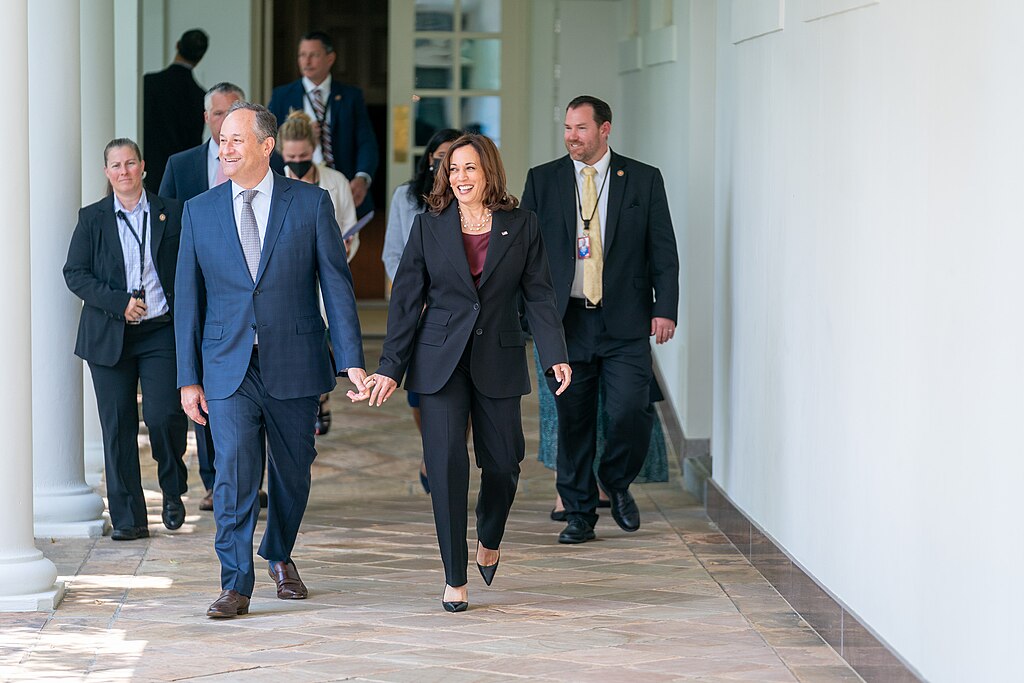
USA Today announced it will not endorse Democratic candidate Kamala Harris in the upcoming 2024 election. The decision marks a significant departure from the newspaper’s stance in previous election cycles, having endorsed Joe Biden in 2020 and formally opposing then-President Donald Trump in 2016.
While USA Today has maintained a longstanding policy of rarely making direct political endorsements, its explicit support for Biden in 2020 and its vocal stance against Trump in 2016 set notable precedents. Those moves underscored the publication’s willingness to take strong positions in divisive political landscapes. This time around, however, USA Today has chosen a more restrained approach, signaling a cautious shift in its editorial outlook on the 2024 race.
“We do not feel it is appropriate to endorse any candidate at this time,” a representative from USA Today’s editorial board stated. “Our role as a news organization is to foster informed discussions and provide balanced insights rather than explicitly support one individual.” The representative did not directly address Harris, but the decision to abstain from endorsing her campaign has sparked immediate reactions across the political spectrum.
Political observers point to several potential factors influencing USA Today’s stance. One reason could be the shifting sentiments within its readership. A recent poll revealed that voters are experiencing growing frustrations with both major parties, with more Americans expressing dissatisfaction with the handling of key issues like inflation, immigration, and foreign policy under the current administration. For some, this frustration appears to extend to Harris, who, as Vice President, has been closely associated with many of these policies.
“USA Today’s decision may reflect the broader uncertainty that Americans are feeling right now,” commented political analyst Dana Worthington. “Kamala Harris faces a challenging election cycle, with concerns over the economy and public sentiment regarding the administration’s performance. This move is a reflection of that sentiment.”
The announcement comes at a critical time for the Harris campaign as it seeks to establish momentum ahead of the 2024 election season. Already facing a polarized electorate, Harris will likely encounter added scrutiny now that USA Today, one of the nation’s largest newspapers by circulation, has chosen not to stand behind her candidacy.
This move has fueled responses from both supporters and critics of the Vice President. Democratic strategists express concern that the lack of endorsement could discourage moderate voters, particularly independents who look to established news outlets for cues on electoral viability. Meanwhile, critics view the decision as further indication of a disconnect between Harris’s policies and the priorities of the American public.
On social media, reactions were swift, with some questioning whether USA Today’s decision is an attempt to avoid the polarizing nature of 2024’s political landscape. “They’re dodging the issue entirely,” wrote one reader on X, formerly Twitter. Others welcomed the move, interpreting it as a sign that traditional media outlets are willing to embrace neutrality.
The USA Today editorial board, however, insists that the decision is not a critique but rather a commitment to journalistic integrity. “Endorsements are powerful, and they must be given thoughtfully,” the statement continued, noting that USA Today intends to “cover the candidates fairly” and “promote informed discussions among voters.”
With the 2024 campaign season ramping up, this decision by USA Today reflects the broader debate about media influence in elections and the evolving role of endorsements. As the election approaches, all eyes will be on the candidates to see how they resonate with voters, endorsements or not.







