Australia’s state of Victoria has made history by signing the nation’s first-ever treaty with Indigenous people, marking a pivotal moment in the country’s journey toward reconciliation. The landmark agreement, which will take effect on December 12, 2025, delivers a formal apology to Australia’s First Nations and establishes a permanent advisory body to guide government decisions affecting Indigenous communities.
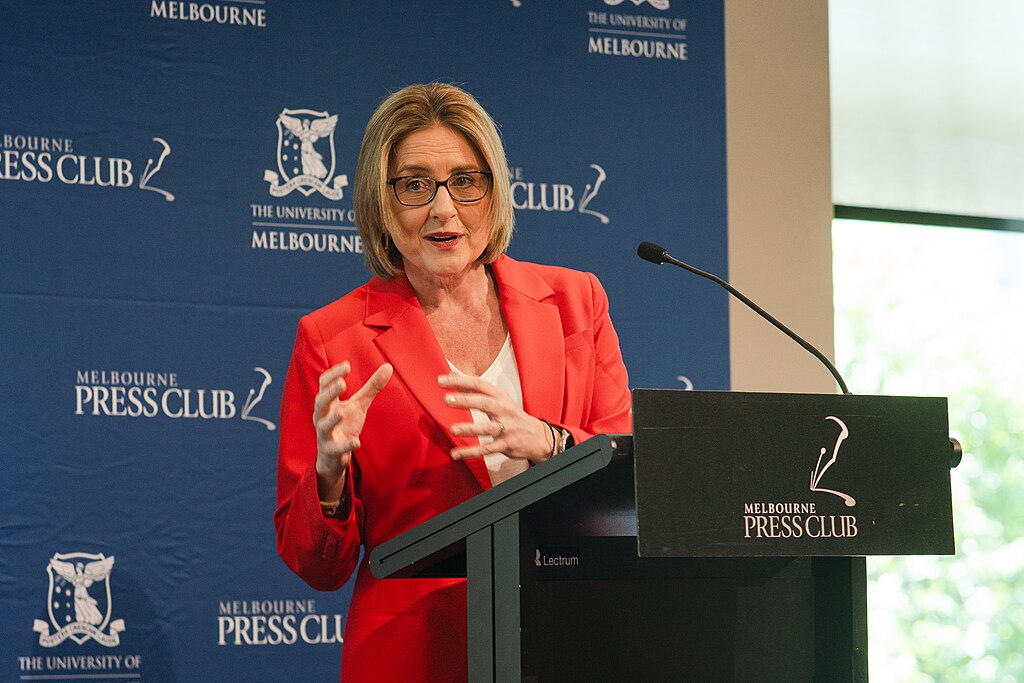
Victorian Premier Jacinta Allan, speaking at the signing ceremony in Melbourne, described the treaty as a “new chapter in the story of our state.” She emphasized that empowering Indigenous people to influence policies on healthcare, housing, education, and cultural practices will lead to fairer outcomes and a stronger society.
The treaty introduces the First Peoples’ Assembly, a representative body that will advise the Victorian government on laws and policies impacting Indigenous Australians. While it will not hold veto power, it signifies an institutional commitment to self-determination and inclusion. The agreement also includes a truth-telling commission and an accountability mechanism to ensure the government fulfills its promises to Indigenous communities.
Discussions for this historic treaty began in 2016, and the bill passed through Victoria’s parliament last month. It positions Victoria as a national leader in Indigenous reconciliation—something Australia has struggled to achieve compared to nations like Canada, New Zealand, and the United States, all of which have formal treaties with their Indigenous populations.
Law professor Harry Hobbs from the University of New South Wales praised the move as a significant step toward recognizing First Nations’ rights and self-determination. “It’s a moment that will influence treaty discussions across the country,” he said.
Rueben Berg, co-chair of the First Peoples’ Assembly, summed up the sentiment: “This makes us all a better state, a better country, better people.”