


 Who should own the knowledge that underpins AI technology?
  Yemen Fighting Threatens Red Sea Oil Routes
  Synthetic data could ease people’s concerns about privacy breaches. But who gets to create it?
  Australia Plans New Rules Giving Users Control Over Social Media Feeds
  FDA Names Permanent Drug and Biologics Center Chiefs
  Trump Grants Clemency to Jay-Z Associate Emory Jones
  ICE Agent Arrested in Minneapolis Over Venezuelan Man Shooting
  Pentagon Restarts Testosterone Testing for US Troops
  UN Allows Mahmoud Abbas Video Address After US Visa Denial
  Iran Economic Crisis Forces Afghan Families to Return Home
  Australia Defends Social Media Algorithm Law Amid US Concerns
  Texas Republicans Turn Against AI Data Centers as Election Backlash Grows
  US Delegation Visits Myanmar, Secures Release of American Adam Castillo
  Russian Attack on Balakliia Kills Two, Injures Two
  SEC Seeks ISS Client Voting Records in Proxy Adviser Probe
  US Officials Meet Houthis in Oman Amid Yemen Offensive
  U.S. Issues Cuba Health Alert as Illnesses Rise


 Add as a preferred source on Google
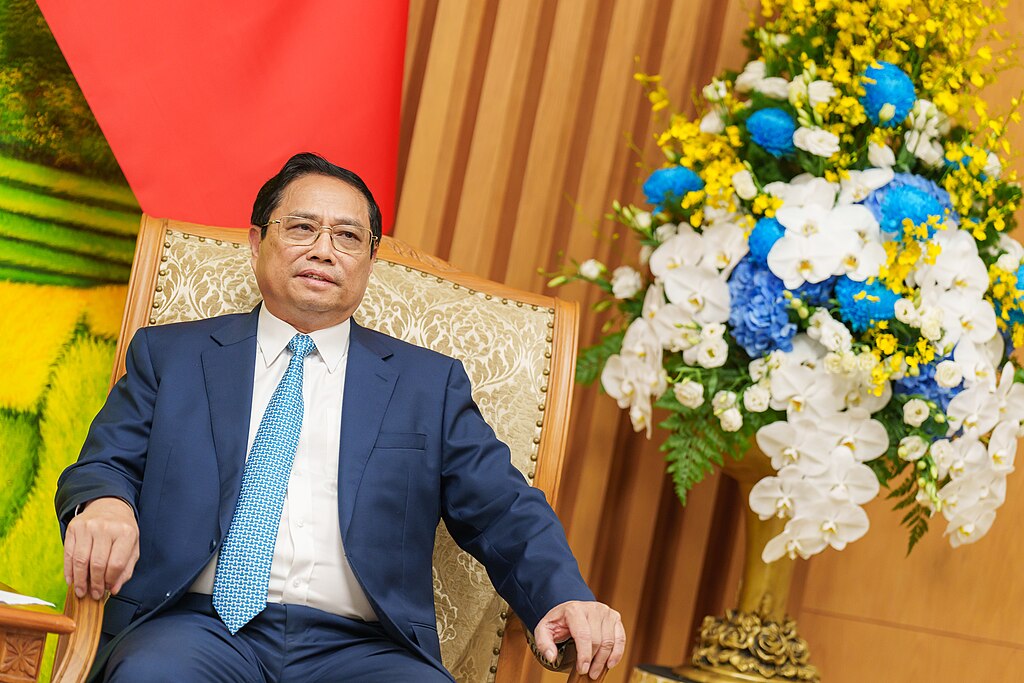
Vietnam’s Prime Minister Pham Minh Chinh has called on the country’s anti-counterfeit task force to intensify efforts against fake goods, trade fraud, and smuggling, amid growing pressure from the United States over trade violations. The government issued a statement on Wednesday urging the adoption of new enforcement strategies, especially as online counterfeit activity surges.
The crackdown comes as Hanoi negotiates with Washington to avoid punitive tariffs, offering measures to address U.S. concerns, including intellectual property violations and the transshipment of Chinese goods labeled as Vietnamese exports. Internal government directives reviewed by Reuters indicate increased monitoring of digital piracy, counterfeit goods, and trade fraud.
Authorities say fraud is escalating across e-commerce platforms, with recent seizures of fake milk, food, and dietary supplements raising alarm over public health and safety. Since the start of 2025, officials have uncovered 1,100 cases related to counterfeit and IP violations, over 25,000 trade and tax fraud incidents, and 8,200 smuggling cases. Comparative data was not provided.
The Ministry of Public Security also revealed on Tuesday the arrest of Nguyen Thanh Phong, the former head of the Health Ministry’s food safety department. Phong is accused of accepting bribes since 2016 to issue fraudulent quality certificates to nine companies involved in counterfeit supplement production.
Vietnamese authorities acknowledge that the production and distribution of fake goods remain widespread, particularly online, and pose direct threats to public health. With smuggling and illegal cross-border trade still "complicated," the government is expected to tighten surveillance and enforcement.
This crackdown is viewed as a key step in addressing U.S. trade concerns and reinforcing Vietnam’s commitment to fair trade practices, intellectual property protection, and consumer safety.







