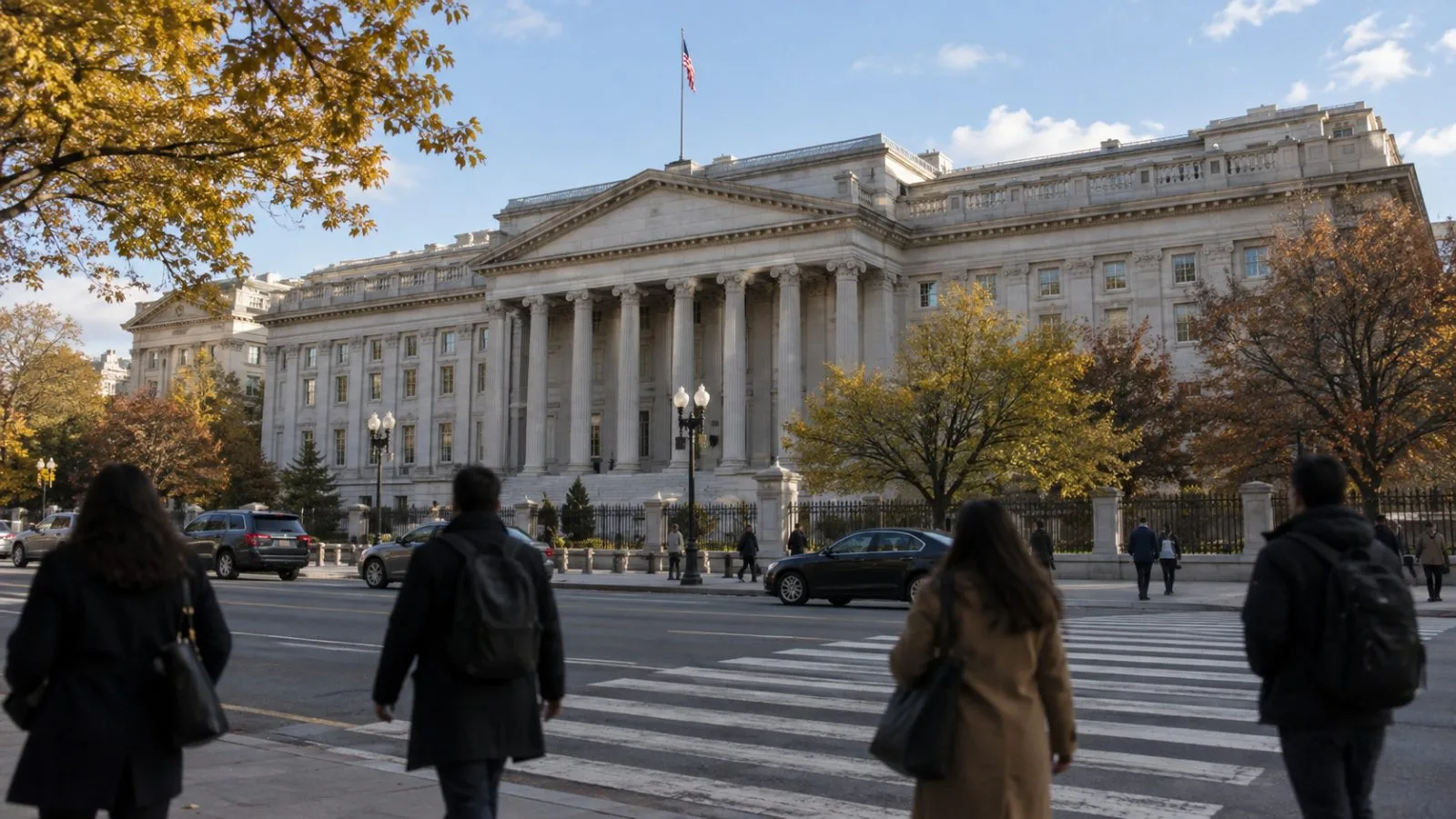
US stock markets faced sharp declines Monday, with the Dow plunging 505 points and Nasdaq shedding 280. Yet, the tech-heavy index is eyeing its longest quarterly winning streak since 2021, capping a remarkable year for investors.
Markets Slip as 2024 Draws to a Close
As a mostly bullish 2024 comes to a close, profit-taking impacted US markets, which fell sharply on Monday.
The Dow Jones Industrial Average fell 505 points, or 1.2%, by 09:35 ET (14:35 GMT), while the S&P 500 index fell 71 points or 1.2%, and the NASDAQ Composite fell 280 points or 1.4%, Investing.com reports.
Regardless of these setbacks, the main averages are poised to end 2024 close to record highs, with the DJIA up 14% and the S&P 500 up 23%, respectively, and on course for their best year since 2021. The Nasdaq has increased by about 30%.
Nasdaq Leads Fourth-Quarter Gains
In the aftermath of Donald Trump's election victory, the benchmarks are also expected to have a successful fourth quarter. The Nasdaq, in particular, is on track for its longest quarterly winning streak since the second quarter of 2021.
Key Economic Reports Set the Tone
On Monday, investors will get economic data including November pending home sales and the December Chicago PMI; but, market activity will likely be low due to Wednesday's closure.
Before next week's crucial employment report, investors will be looking closely at the Institute of Supply Management's December manufacturing activity survey and the weekly report on jobless claims.
Goldman Sachs Forecasts Fed Rate Cuts
The next 25 basis point interest rate drop from the Federal Reserve is expected to be delivered in March 2025, according to Goldman Sachs.
The bank announced the move in a letter on Friday, adding that two more cuts of the same size are anticipated in June and September.
According to Goldman, the Federal Reserve is expected to reduce the pace of its balance sheet runoff in January 2025 and end it altogether by the second quarter of that year.
Boeing Stock Declines After Tragic Crash
Boeing stock dropped almost 4% following Sunday's tragic crash-landing of a passenger airliner at South Korea's Muan International Airport, which killed 179 people.
The worst aviation tragedy in the country's history occurred when a Boeing 737-800 slipped off the runway, crashed into a wall, and burst into flames.
At the beginning of the last week of the year, crude prices rose slightly in thin trade affected by the holidays.
The US crude futures (WTI) contract increased 0.8% to $71.17 per barrel by 09:35 ET, while the Brent contract had a 0.8% increase to $74.25 per barrel.
The world's biggest oil importer, China, is facing concerns about decreasing demand, which has sent the WTI contract down around 1% and the Brent contract down more than 3.5% so far in 2024, putting both benchmarks on track for heavy losses.