Westinghouse Electric Co. is appealing a court decision that dismissed its lawsuit against Korea Hydro & Nuclear Power (KHNP) and Korea Electric Power Corp. (KEPCO) regarding nuclear plant exports. The case delves into intellectual property rights and U.S. export controls in the nuclear energy sector.
The U.S. District Court for the District of Columbia deemed that Westinghouse did not possess a private cause of action. Therefore, it lacked the authority to pursue legal action against the two South Korean state-run companies.
Westinghouse's president of Energy Systems, David Durham, clarified that the court's decision pertained to export control enforcement being the responsibility of the U.S. government. He stated that Westinghouse intends to appeal the ruling. The lawsuit primarily stems from a disagreement over using Westinghouse's intellectual property outside South Korea.
The court's decision, however, does not impact the ongoing arbitration proceedings involving KEPCO/KHNP's alleged unauthorized transfer of Westinghouse's intellectual property outside Korea, the company clarified. Westinghouse filed the suit to prevent the Korean companies from disseminating technical information on reactor designs to Poland and other countries under U.S. export control regulation "Part 810."
The defendants argue that the Atomic Energy Act does not provide for "private" enforcement, with exclusive authority granted to the attorney general. Part 810 is specifically designed to implement the act. The lawsuit has sparked a debate over whether U.S. export control regulations should apply to South Korea's export of domestically mastered reactors, which were initially developed with U.S. technological assistance.
The district court's ruling has led the American energy firm to appeal, seeking further legal recourse against the Korean companies. This case could have significant implications for future collaborations and the transfer of intellectual property in the nuclear power industry. Westinghouse's lawsuit reflects an ongoing international legal battle, highlighting the intricate relationship between intellectual property rights and export control regulations in the nuclear energy sector.
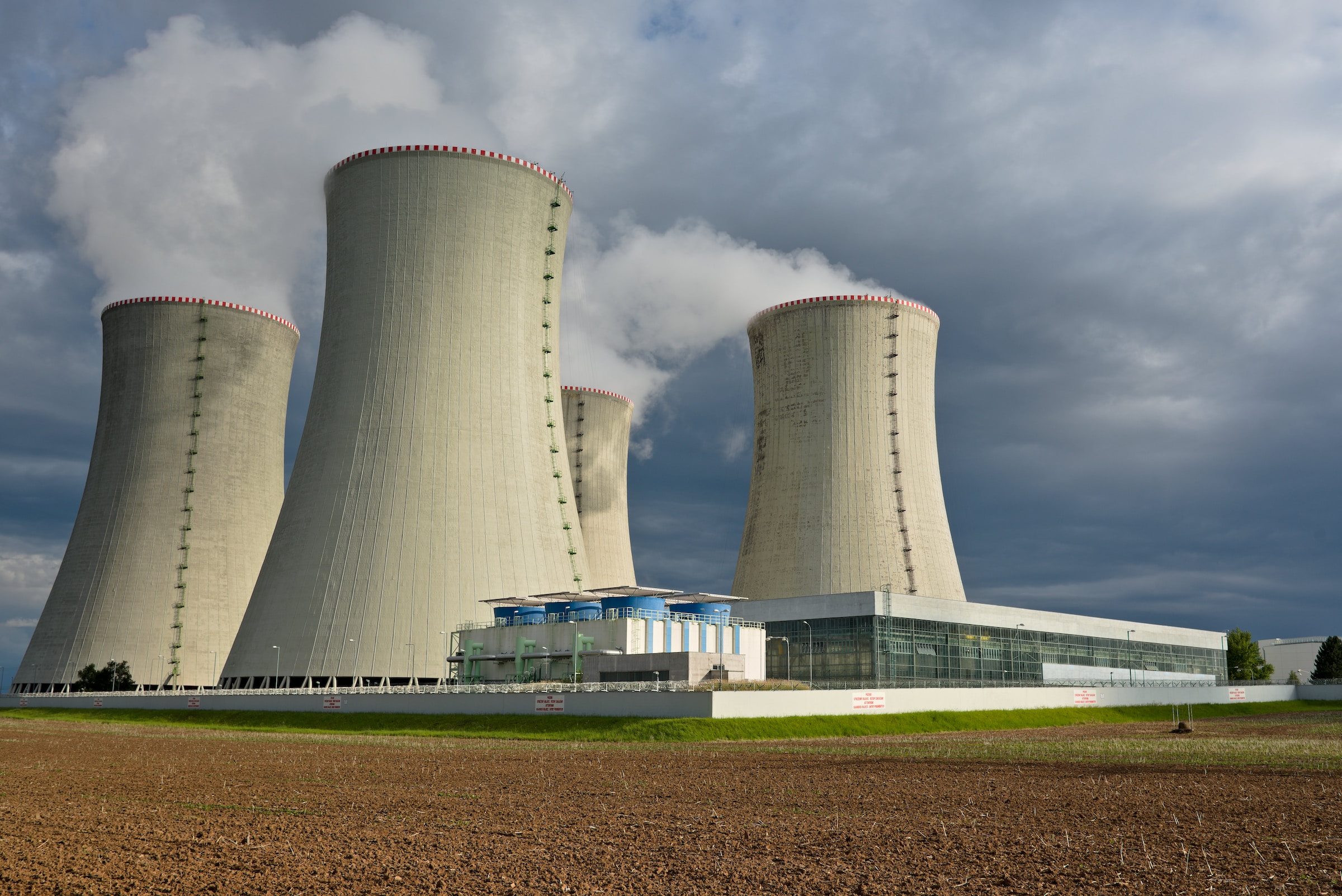
Photo: Lukáš Lehotský/Unsplash