Westpac has rewarded its shareholders with a $500 million fully franked special dividend, amounting to 15¢ a share, in addition to its 75¢ ordinary interim dividend. In a move that emphasizes the bank's robust equity capital levels and optimistic economic outlook, Westpac also announced a $1 billion increase in its share buyback program, elevating it to $2.5 billion.
According to the Finacial Review, this strategic decision aligns with the bank's initiative to return excess franking credits to its shareholders.
Financial Performance and Market Reaction
Reuters reported that despite facing challenges such as squeezed lending margins due to intense mortgage competition, Westpac reported a $3.3 billion net profit for the first half of the 2024 financial year, marking a 16% decrease from the previous year. However, the bank highlighted a gradual ease in home loan competition and opened the market with a 1.4% share increase.
The bank's net interest margin (NIM), while having dropped by 7 basis points to 1.89%, shows less pressure than expected, alongside manageable levels of bad debts, contributing to a financial outcome that slightly surpassed consensus expectations.
Economic Outlook and Strategic Moves
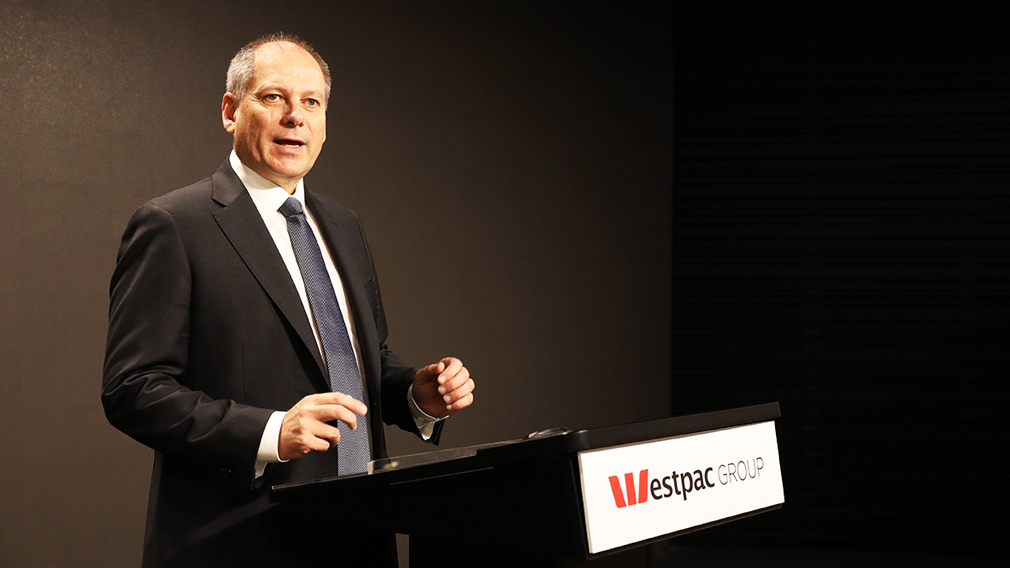
Peter King, CEO of Westpac, expressed confidence in achieving a soft landing for the economy, albeit acknowledging some uncertainties in controlling inflation and the potential for sustained high interest rates. Despite these economic turbulences, Westpac has demonstrated resilience with a well-provisioned and strong balance sheet, ready to support its customers through these times.
Furthermore, the bank announced the successful completion of its "customer outcomes and risk excellence" (CORE) program, opening a new chapter towards simplifying its technology systems under the "Unite" initiative, expected to run until at least 2028.
Industry Context
Westpac's financial disclosures arrive amidst a broader banking sector adjusting to the economic climate, with National Australia Bank and ANZ Bank also navigating similar conditions.
With the bank's return on equity slightly receding and operating expenses rising, the industry is at a pivotal moment. Yet, the stability in NIM and strategic enhancements in business banking hint at a cautiously optimistic future for Westpac and its stakeholders.
Photo: Westpac Newsroom