


 US Justice Department Drops Prosecution of Ex-CIA Analyst Sue Mi Terry
  MI5 Warns of Rising Iran, Russia Threats and AI Bioweapon Risks
  US Senate Midterms 2026: Key Races That Could Flip Control
  IMF Warns US Debt Crisis Needs Fiscal Action, Urges China to Boost Consumption
  Flavio Bolsonaro Backs Brazil’s 40-Hour Workweek Reform Ahead of Runoff
  Trump Confirms US Intelligence Sharing With Ukraine Amid Russian Strikes
  Container Ship Sinks in Strait of Hormuz as Iran Attacks Escalate
  Trump Announces Massive Oil and Mineral Exploration Plans in Greenland
  US Supreme Court Denies Release of Anti-ICE Activist Kyle Wagner
  Elon Musk Donates $366 Million to 2026 US Midterms
  Jordan Bardella Antisemitism Allegations Threaten Le Pen’s Campaign
  Kim Jong Un Showcases ICBM Ahead of Possible Trump Meeting
  Italy’s Meloni Warns US-Russia Diesel Deal Could Weaken Ukraine Sanctions
  US Recalls Nicaragua Envoy After Ambassador Rejection
  Trump Denies Russia and China Are Helping Iran in U.S. Conflict
  Most Americans Oppose Election Betting on Prediction Markets, Poll Finds
  FBI Denies Report of Kash Patel’s Russia Visit


 Add as a preferred source on Google
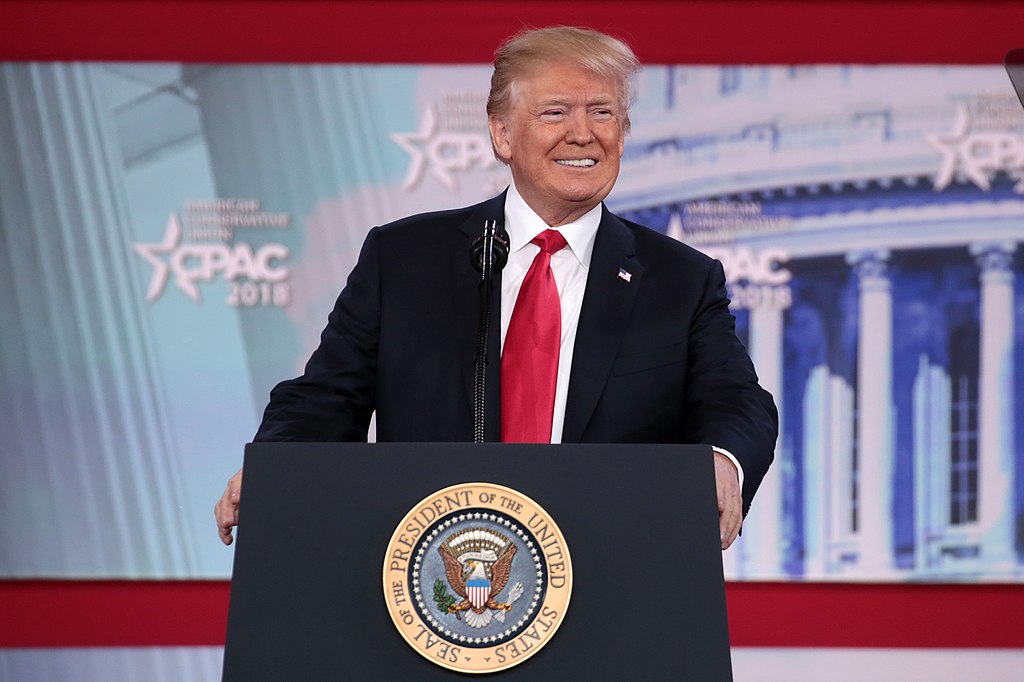
President-elect Donald Trump has outlined a series of ambitious initiatives aimed at addressing financial inequality in rural areas for 2025. These plans are designed to tackle systemic challenges in agriculture, infrastructure, and education, promising a renewed focus on empowering economically disadvantaged regions.
Investing in Rural Infrastructure to Bridge Economic Gaps
Central to Trump’s initiative is a massive investment in rural infrastructure, which includes enhancing transportation networks, broadband connectivity, and renewable energy. The administration plans to allocate $100 billion to expand high-speed internet in underserved areas, addressing a digital divide that has hindered access to education, job opportunities, and modern farming technologies.
Agricultural reforms also play a significant role in Trump’s rural strategy. The White House has announced plans to introduce subsidies for small and medium-sized farms while promoting sustainable practices. These measures aim to counteract the economic dominance of large agricultural conglomerates, which have historically marginalized smaller producers.
Critics, however, remain skeptical of whether these measures will produce lasting changes. “Broadband expansion is great, but will rural families see it soon enough?” questioned Nicole Thompson (@RuralRevive), a Twitter user from Iowa.
Strengthening Education and Job Training Programs
Trump’s plan includes substantial investments in education, specifically tailored for rural communities. A new federal program, Rural Workforce Futures, aims to provide $15 billion for job training initiatives in emerging industries such as clean energy and tech. Additionally, $8 billion has been earmarked for rural schools to improve STEM education and infrastructure, equipping students with the skills needed to thrive in a rapidly evolving economy.
While the administration touts these efforts as revolutionary, some experts worry about implementation challenges. Critics point out that previous attempts to close the financial inequality gap have often been stymied by bureaucratic delays and lack of accountability.
“Another round of promises for rural schools—how many times have we heard this before?” tweeted journalist Mike Landon (@SmallTownMike). Similarly, Sarah Collins (@FarmersFirst), an agricultural advocate, expressed doubt, writing, “Trump’s subsidies could help, but only if they’re accessible to real farmers, not big corporations.”
Social Media Reactions Highlight Divided Opinions
The initiatives have sparked diverse reactions online. Supporters laud the administration for focusing on neglected rural areas, while detractors remain cautious about the potential pitfalls.
- “Finally, some attention to rural America. We’ve been forgotten for too long!” – Amanda Peters (@HeartlandHope)
- “Bold promises, but where’s the follow-through? These communities can’t afford another flop.” – James Carter (@EquityForAll)
- “Expanding broadband is game-changing if they actually do it. Fingers crossed!” – Laura Evans (@TechForTowns)
- “Why does this feel like another headline-grabbing stunt? Time will tell.” – Daniel Marks (@PolicyRealist)
- “Trump focusing on small farms is good, but what about access to markets?” – Jenna Taylor (@AgriTruth)
- “Rural schools need this investment yesterday! Please make it happen.” – Melissa Green (@EducateRural)
Strengths and Weaknesses of the Plan
The strengths of Trump’s initiatives lie in their comprehensive scope, addressing key issues like infrastructure, education, and agriculture. The significant financial commitment demonstrates a willingness to tackle these challenges head-on. However, weaknesses include potential bureaucratic roadblocks and concerns about equitable distribution of funds.
For this plan to succeed, clear guidelines on funding allocation and robust oversight mechanisms must be established. Ensuring rural voices are part of the decision-making process will be critical to fostering trust and long-term impact.







