


 Macron, Trump Discuss Ukraine-Russia Energy Strike Moratorium
  Europe Warns Russia Is Escalating Hybrid Attacks Across NATO
  Gaza Faces Evacuation Crisis as War-Damaged Buildings Risk Collapse
  US Invites Putin to Miami G20, Opening Door to Trump Summit
  Lula and Flavio Bolsonaro Tied in Brazil Runoff Poll
  Sudan Rejects US Legitimacy Remarks, Defends Sovereignty
  Taiwan Vows to Advance US Arms Sales Ahead of Trump-Xi Meeting
  Trump Administration Plans Faster FDA Reviews for Smoke-Free Nicotine Products
  Canada Unveils Bill to Fast-Track Major Resource Projects
  Russian Strikes Kill Eight Across Ukraine as Energy Sites Hit
  Venezuela Promises Elections as Delcy Rodriguez Pledges Democratic Transition
  Trump Meets Venezuela’s Delcy Rodriguez at UN Assembly
  China Tightens Fentanyl Rules Ahead of Trump-Xi Summit
  Trump to Press Xi on Release of US Nuclear Expert Held in China
  Zelenskiy Warns Russia Preparing Major Attack on Ukraine
  Macron Challenges Trump’s Gaza Peace Claims at UN
  Marco Rubio to Meet Russia’s Lavrov in New York


 Add as a preferred source on Google
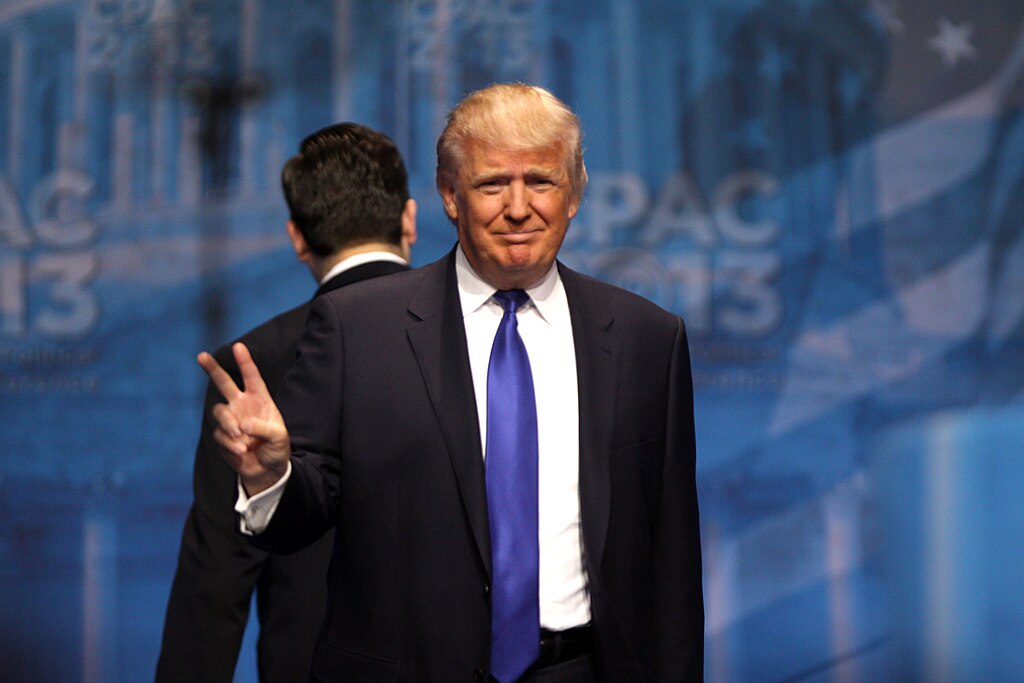
President-elect Donald Trump has revealed an ambitious strategy to combat online misinformation in 2025, marking one of the first initiatives of his second term. The plan, which aims to regulate the flow of digital information on major platforms, has drawn both applause and skepticism, igniting debates over freedom of speech and the role of technology giants in shaping public discourse.
Trump’s proposal includes establishing a Federal Digital Integrity Task Force, which will work in tandem with private companies like Meta and X (formerly Twitter) to identify and address false narratives. While Trump emphasized the need for accurate information to protect democracy, critics argue the plan could pave the way for government overreach into personal freedoms.
“America deserves truth, not lies,” Trump said during a speech in Washington, D.C., outlining his vision for a digitally transparent society. However, critics warn that the initiative may dangerously blur the lines between regulation and censorship.
Key Components of Trump’s Misinformation Policy
The cornerstone of Trump’s policy is the creation of a National Digital Verification System (NDVS), which aims to fact-check viral claims within minutes using artificial intelligence. This system will require social media companies to collaborate with the government and independent watchdogs to label or remove false information.
Additionally, Trump’s administration plans to impose fines on platforms that fail to address flagged misinformation swiftly. The initiative also includes educational campaigns targeting media literacy, particularly among young people, with an emphasis on teaching critical thinking skills.
Yet, the plan has sparked a wave of controversy. Civil liberties advocates argue that penalizing platforms for hosting misinformation could lead to over-correction, silencing legitimate dissent. Small businesses and independent creators worry that stricter content moderation could disproportionately impact their ability to operate online.
Public Reaction: Praise, Criticism, and Outrage
As the news spread, reactions on social media highlighted the polarized sentiment surrounding Trump’s proposal:
- @FreeSpeechDefender: “Trump’s plan is terrifying. Who decides what’s true? This is just the government trying to control us!”
- @TruthMatters123: “Finally, a bold move to tackle the misinformation epidemic. It’s about time someone held Big Tech accountable.”
- @DigitalLibertyNow: “This will kill online innovation. Small creators can’t afford to comply with Trump’s draconian rules!”
- @AIwatchdog: “AI fact-checking is unreliable. We need humans, not algorithms, deciding what’s true or false.”
- @ParentsForTruth: “If this stops lies about vaccines, I’m all for it. Misinformation is destroying our health system.”
- @ElectionObserver: “Censorship disguised as regulation. Trump’s government wants to control what we read and think!”
The Challenges Ahead
Trump’s ambitious plan raises significant questions about implementation and oversight. While supporters argue the initiative is a necessary step in curbing misinformation’s harmful effects, critics warn that unchecked power in the hands of the federal government could lead to abuse. Moreover, ensuring AI systems are fair, unbiased, and transparent presents a complex challenge.
The plan also risks deepening political polarization, with Democrats accusing Trump of attempting to suppress opposition voices. To gain bipartisan support, Trump’s administration will need to address concerns about fairness and overreach.







