





- News

- Economy

- Central Banks
- Investing
- Research
- Roundups
- Digital Currency
- Insights
- Technical Analysis
- Technology
- Business
- Law
- Health
- Nature
- Fintech
- Science
- Topic
- Opinions
- ©Econometrics LLC . All Rights Reserved.
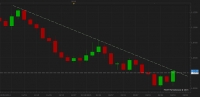
Apr 24, 2015 03:06 am UTC| Insights & Views
Fundamental change - Reserve bank of New Zealand (RBNZ) Asst. Governor Mc Dermott raised the possibility of a rate cut over the next few meetings. Next rate decision is due on Aril 29, Wednesday next week. Say no...
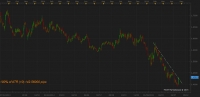
Apr 24, 2015 03:01 am UTC| Insights & Views
Reserve bank of New Zealand (RBNZ) Asst. Governor Mc Dermott hammered nail on kiwi bulls by raising the possibility of a rate cut over the next meetings. According to Mr. Mc Dermott, RBNZ is not considering any rate...
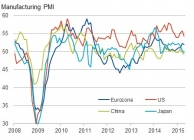
Let’s not read too much into weak data
Apr 24, 2015 02:56 am UTC| Insights & Views
Yesterdays provisionary April PMI report might have cheered the bears calling for an end to recovery, however it would be premature to call for such, in spite recent weakness. PMI above 50 indicates growth. Japanese...
Apr 24, 2015 02:54 am UTC| Insights & Views
Latest strong words exchange between Russia and Ukraine indicate that coming weeks might result in breakage of six weeks old peace deal brokered by Europe. More than 6000 people have died, 15000 wounded and millions...
Guide to today’s important data and events
Apr 24, 2015 02:19 am UTC| Insights & Views
Today economic data and events are less, however risk associated is high. Upcoming - Japan - All industry activity index is scheduled at 4:30 GMT. Bank of Japans Deputy Governor Nakaso would be giving speech around...
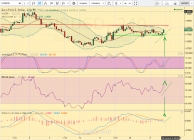
US$ further bearish in near term
Apr 23, 2015 13:04 pm UTC| Insights & Views
The US dollar index is likely to extend down to 95.72/94.63 before renewed basing, while USD/JPY is recurring to its multi-month break of 119.30/119.38 support. USD/JPY weakness can extend to 118.15, potentially as far...
Crude trades still sideways, hold nerves for bounce back
Apr 23, 2015 12:08 pm UTC| Insights & Views
The last weeks news of WTI and Shale oils (The largest oil manufacturers exporters of the US) to reduce their production capacity does not seem to impact much on prices. According to the Energy Information Administrations...


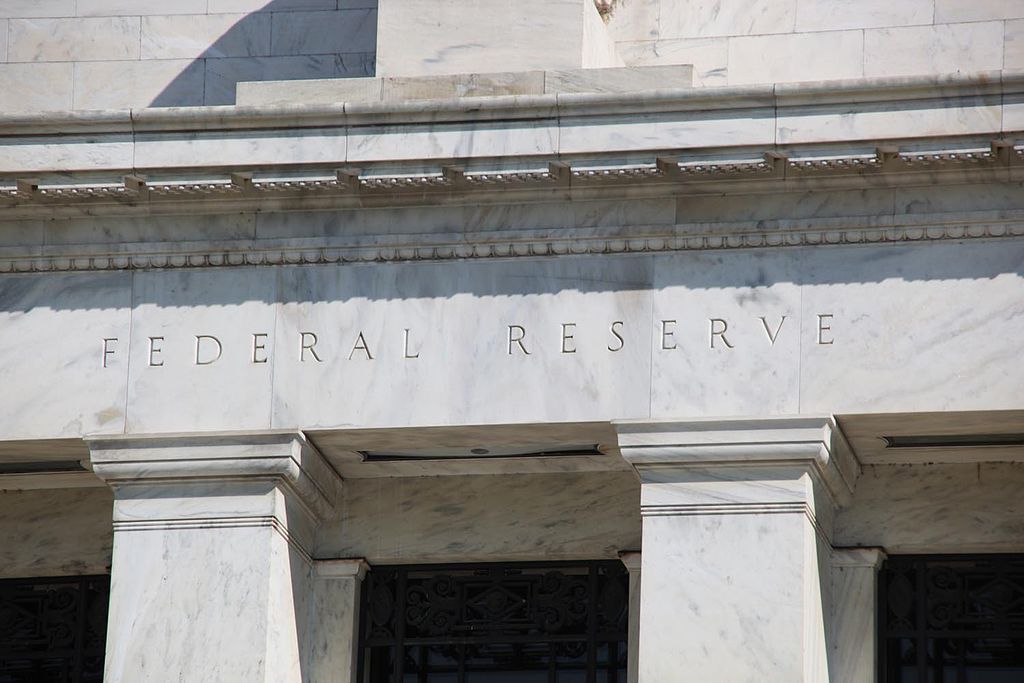
Fed Rate Hike Threatens Housing as U.S. Growth Leans on AI, Citi Says
Strait of Hormuz Oil Shipments Hit Six-Month High as U.S. Clears Mines

Bessent, He Lifeng to Discuss AI Security and Trade in New York

Canada Eyes India Trade Deal by Year-End

Mexico Pushes for US Trade Deal Before Midterms

Germany’s Carsten Breuer Elected Next NATO Military Committee Chair

Turkey Ready to Aid Saudi Arabia Under Defence Pact as Houthi Attacks Escalate

US, Denmark and Greenland Reach Deal to Expand American Military Presence

Israeli Strikes Across Gaza Leave at Least Three Dead

Trump Plans Federal AI Force and AI Czar

Blue Origin New Glenn Explosion Could Delay Launch Operations Until 2028

Blue Origin New Glenn Rocket Explodes During Launch Pad Test, Delaying Space Ambitions

SpaceX Delays Starship V3 Launch Ahead of Potential Record IPO

Trump Administration Releases New UFO Files and Apollo Mission Records

China vs. NASA: The New Moon Race and What's at Stake by 2030

SpaceX Nasdaq 100 Weight to More Than Double in Rebalance

Westinghouse Targets $50 Billion Valuation in U.S. IPO

NASA, Boeing Discuss Expanding Starliner Missions

Apple Pay Set for India Launch With Axis Bank

Hyundai CEO Warns Chinese Automakers Could Disrupt US Market





- Market Data




