


 Israeli Airstrikes in Gaza Kill Nine Palestinians as Ceasefire Efforts Remain Stalled
  Iowa's 1st Congressional District Set for High-Stakes 2026 Election Battle
  US Military Strike in Eastern Pacific Kills Two in Anti-Drug Operation
  Israel-Lebanon Ceasefire Raises Hopes for Wider Middle East Peace Deal
  Ukraine Strikes Crimea Centers as Russia-Ukraine Conflict Intensifies
  Meta Challenges Australia’s Proposed Tech Tax, Citing U.S. Trade Agreement Concerns
  U.S. Opens Public Comment Period on New U.S.-China Trade Board and Potential Tariff Cuts
  Russia Launches Massive Missile and Drone Attack on Ukraine
  US Sanctions M23 and FDLR Commanders Amid Ongoing Eastern Congo Conflict
  AMLO Accuses U.S. of Interference as Mexico-U.S. Tensions Escalate in 2026
  US Expands Iran Sanctions, Targets Major Crypto Exchanges and Individuals
  Netanyahu Faces Growing Voter Backlash in Northern Israel Ahead of 2026 Election
  Cambodia Launches UN Maritime Arbitration Against Thailand Over $300 Billion Energy-Rich Gulf Dispute
  Marco Rubio Says U.S. Will Block IRGC-Linked Individuals From Iran World Cup Delegation
  UN Chief Proposes New U.N. Force Options for Lebanon After UNIFIL Mandate Ends
  US Forces Repel New Iranian Attacks as Middle East Tensions Escalate
  Trump Endorses Colombian Presidential Candidate Abelardo de la Espriella Ahead of Runoff Election


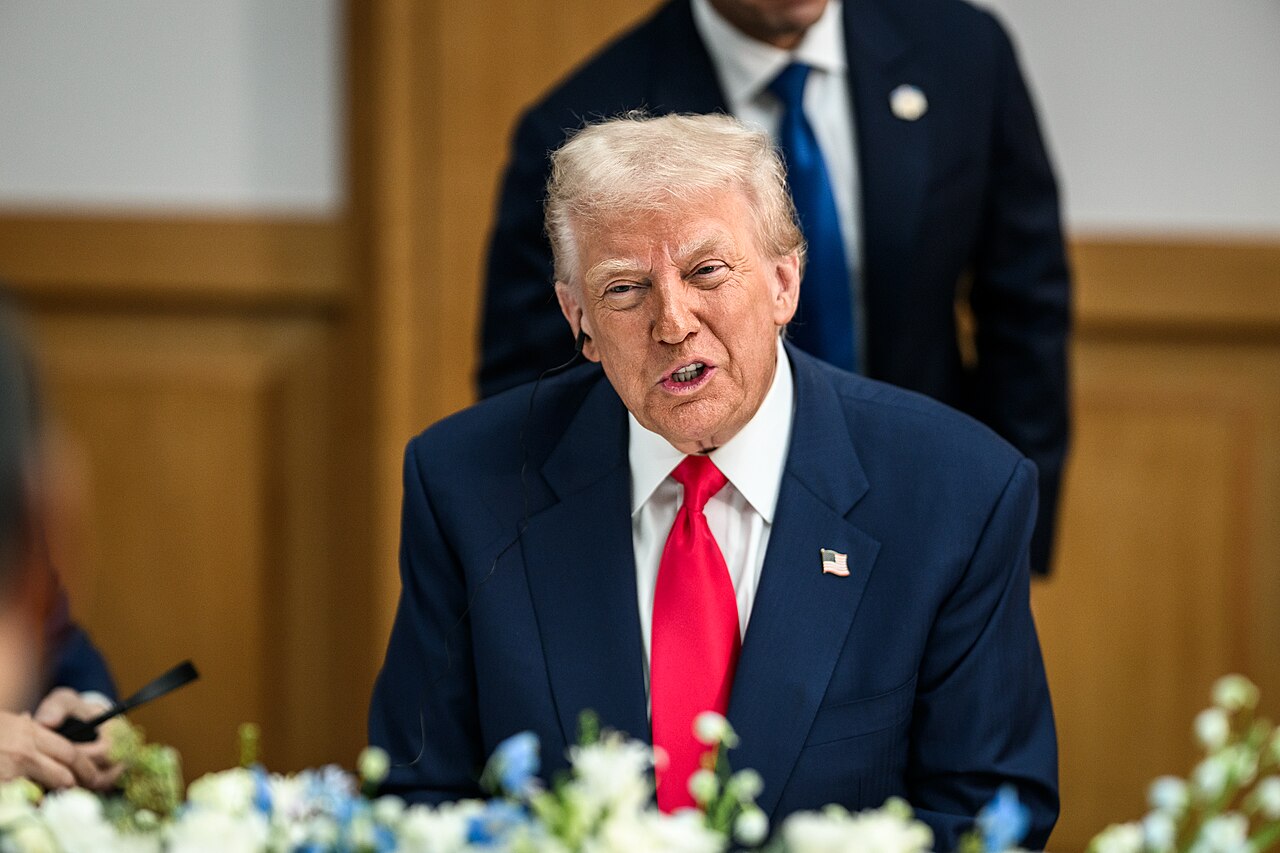
U.S. President Donald Trump has privately informed aides that he may consider ending the current ceasefire with Iran if additional American troops are killed, according to a report published by The Wall Street Journal on Wednesday. The revelation comes as tensions between Washington and Tehran remain high following a series of military exchanges that have tested the fragile truce between the two nations.
Over the past week, the United States and Iran have exchanged air strikes despite the ceasefire agreement. U.S. officials described the operations as acts of self-defense, while Iranian authorities accused Washington of breaching the ceasefire. Nevertheless, American officials continue to maintain that the ceasefire remains officially in place despite the recent hostilities.
The conflict has resulted in significant casualties on both sides. The U.S. military reported that at least 15 American service members have been killed, while 543 personnel have suffered injuries. Iranian casualties are estimated to have surpassed 6,000, highlighting the devastating impact of the prolonged confrontation.
Earlier this week, Trump reportedly intervened to halt Israeli plans for a military offensive in Lebanon after Iran warned that such an attack could undermine diplomatic efforts. At the same time, Iranian media outlets reported that Tehran had suspended indirect negotiations with the United States. Despite these reports, Trump has repeatedly stated that diplomatic discussions are ongoing and recently suggested that a peace agreement could be reached within a week.
Iran’s nuclear program continues to be a major obstacle in negotiations. Tehran has consistently rejected U.S. demands to surrender its stockpile of enriched uranium, a key issue in ongoing diplomatic discussions.
Meanwhile, the Strait of Hormuz remains largely blocked by Iran, disrupting global shipping routes, while the United States continues to enforce its naval blockade. Trump recently indicated that he is not rushing toward a peace deal, telling the New York Post that the U.S. blockade could remain in effect until Labor Day.
Although the Trump administration initially projected that the Iran conflict would last no more than six weeks, the war has now entered its fourth month, raising concerns about regional stability, global energy markets, and the prospects for a lasting diplomatic resolution.







