


 North Korea Slams US Taiwan Arms Sales, Reaffirms Russia Support
  Pentagon Orders Iran Strike Preparations as Trump Weighs Military Action
  Trump Weighs FBI Probe Into Nolan Wells’ Death
  US-Taiwan Ties Remain Strong as Taipei Urges Timely Arms Deliveries
  Houthis Strike Aden Airport as Yemen Fighting Escalates
  JD Vance Says Iran Must Cut Nuclear Enrichment to End War
  Trump Says He Deserves 2026 Nobel Peace Prize Despite Uncertain Chances
  Mike Rogers Calls for End to US-Canada Tariff War
  France to Release 10 Million Barrels of Diesel to Ease Fuel Prices
  US-Led Coalition Targets Global Factory Overcapacity
  Rapidus Seeks Chip Customers as Japan Pushes 2nm Semiconductor Revival
  Lula Weighs Alckmin as Finance Minister to Boost Fiscal Credibility
  Trump Envoy Meets Sudan Army Chief in Egypt
  Tsai Warns of China’s Sustained Pressure on Taiwan
  Russia Targets Danish Ukraine Suppliers in Sabotage Campaign
  Mexico Bars Dual Citizens From Presidential Races Starting in 2028
  Iran Tanker Attacks Surge as Hormuz Oil Flows Near Prewar Levels


 Add as a preferred source on Google
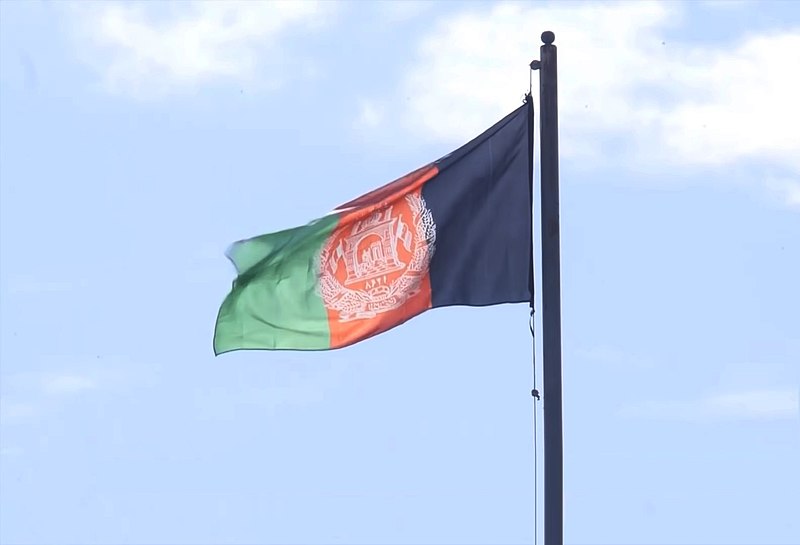
Like many other nations, Pakistan and Iran are also considering how to approach Afghanistan as the insurgent group Taliban has taken over its government at the heels of the western-backed Afghan government’s collapse. Both nations have recently been holding bilateral discussions on regional security, including Afghanistan, with the Taliban now shaping its government.
Pakistan and Iran held discussions on the regional situation in Afghanistan following the Taliban’s takeover, according to Al Jazeera. The Pakistan Foreign Ministry released a statement on the recent discussion, noting that the situation in Afghanistan needed positive engagement from the international community as well as urgently providing humanitarian aid to the Afghan people that remain along with developing measures that would stabilize its economy. Iran’s foreign ministry, however, did not release a statement regarding the meeting.
Both Pakistan and Iran have agreed to coordinate with each other regarding Afghanistan, added the Pakistani statement.
Iran’s deputy foreign minister Ali Bagheri Kani also met with Pakistan’s foreign minister Shah Mahmood Qureshi in Islamabad Tuesday, according to Pakistan’s foreign office. The statement from the foreign office said that Qureshi highlighted the urgency of providing humanitarian aid to Afghanistan and that the international community should fully support the Afghan people at this very important time.
“He stressed the importance of continued economic engagement with Afghanistan to avert economic collapse, which could lead to refugee influx and regional instability,” said the statement. Tens of thousands of Afghans were airlifted out of the country following the insurgent group’s takeover out of fear.
Afghanistan’s state power company has now appealed to a United Nations initiative to receive $90 million in order to settle debts to Central Asian power suppliers to prevent the country’s electricity from getting cut off. This comes as the three-month deadline for payments has lapsed, especially since the Taliban’s takeover and neighboring countries have supplied 78 percent of Afghanistan’s power.
This becomes another challenge that the Taliban-controlled government faces as it looks to gain favor with the international community. The takeover by the insurgent group has led to the US and other nations freezing the country’s overseas reserves, playing a part in the country’s economic crisis.







