


 US Pressures Allies to Distance From Anti-Disinformation Conference
  Rapidus Seeks Chip Customers as Japan Pushes 2nm Semiconductor Revival
  Pentagon Orders Iran Strike Preparations as Trump Weighs Military Action
  Mike Rogers Calls for End to US-Canada Tariff War
  Mexico Bars Dual Citizens From Presidential Races Starting in 2028
  US-Led Coalition Targets Global Factory Overcapacity
  Trump Weighs FBI Probe Into Nolan Wells’ Death
  San Francisco Halts New Data Center Construction With 45-Day Moratorium
  Lula Weighs Alckmin as Finance Minister to Boost Fiscal Credibility
  JD Vance Says Iran Must Cut Nuclear Enrichment to End War
  Saudi Arabia Probes Flydubai Cockpit Attack
  Trump Envoy Meets Sudan Army Chief in Egypt
  Hegseth Praises USS Abraham Lincoln Crew After Record Iran War Deployment
  Russia Targets Danish Ukraine Suppliers in Sabotage Campaign
  Lincoln University Students Sue Missouri Over Decades of Underfunding
  North Korea Slams US Taiwan Arms Sales, Reaffirms Russia Support
  Iran Tanker Attacks Surge as Hormuz Oil Flows Near Prewar Levels


 Add as a preferred source on Google
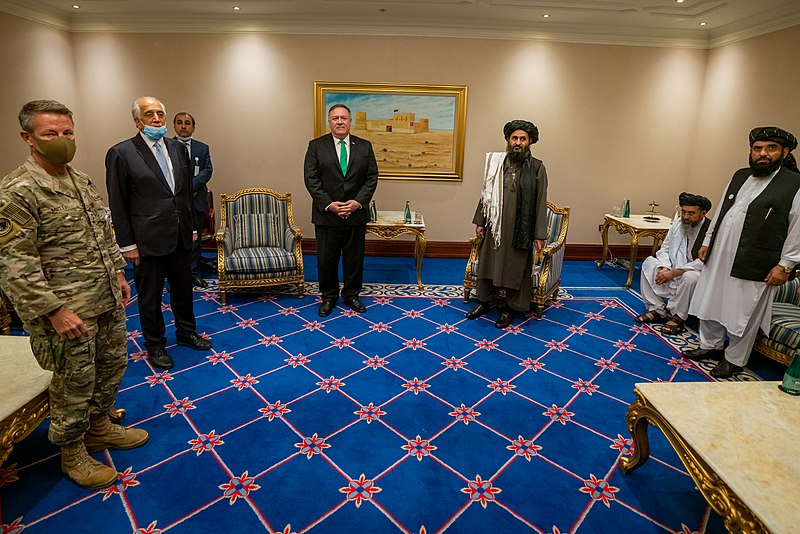
Afghanistan and the whole world are now reeling from the aftermath of the military evacuation made by the US and its allies upon the resurfacing of the Taliban. As the insurgent group seeks to form its own government, the Taliban has also announced its interim officials.
The Taliban announced Tuesday that the UN-sanctioned Taliban veteran Mullah Mohammad Hassan Akhund is to be the leader of Afghanistan’s new Taliban-ruled government. Taliban spokesperson Zabihullah Mujahid announced at a press conference that the group’s co-founder, Abdul Ghani Baradar would be the deputy leader. The rest of the officials Mujahid named are still in an acting capacity.
“The cabinet is not complete, it is just acting,” said Mujahid during the press conference at the Government Information and Media Center in Kabul. “We will try to take people from other parts of the country.”
Mullah Yaqub was named as the acting defense minister. Yaqub is the son of the late Taliban founder and Supreme Leader Mullah Omar. Haqqani network leader Sirajuddin Haqqani was also named as acting interior minister and Amir Khan Muttaqi, who was involved in the negotiations in Doha, Qatar, was named the acting foreign minister.
The insurgent group has been expected to announce its government after a rapid takeover of Afghanistan in the heels of the evacuations of the US and other allies. The Taliban has also looked to show a more moderate mindset, pledging to have a more inclusive government. However, it appears unlikely that there would be women appointed into government positions.
As the Taliban rapidly took control of Afghanistan, in the midst of evacuations, Afghan President Ashraf Ghani was revealed to have fled the country. This week, Ghani released a statement apologizing to the public for fleeing as well as explaining why he had to leave.
Ghani said in the statement that he had no choice but to leave, as his security team had advised him that if he should remain, there would be clashes in the streets similar to what was seen in Kabul during the 1990s. Ghani said that it was the most difficult decision he had to make, but in order to avoid more bloodshed, he had to leave.
However, Ghani also noted that he ultimately was unable to bring peace and stability to Afghanistan like his predecessors.







