Rights organizations and the United Nations have warned that Afghanistan is facing a worsening humanitarian and economic crisis. A new report reveals that the Taliban has granted aid workers access to continue their humanitarian work, but warned that more must be done to combat the growing issue of hunger in the country.
In a report by Axios, aid workers told the outlet that the insurgent group has granted them access to continuing their work in Afghanistan. However, they said that more resources are needed to tackle widespread hunger in the country. This comes as Afghanistan’s humanitarian crisis grew following the West’s military withdrawal from the country and the insurgent group’s return to power.
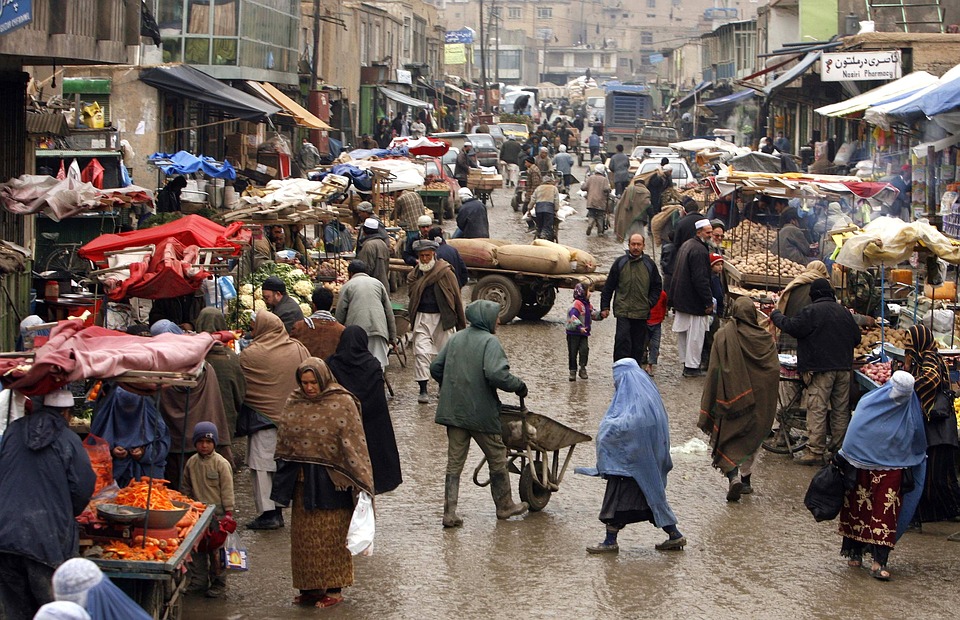
Aid groups say that in order to provide the much-needed assistance, countries must engage with the Taliban regardless of whether or not the insurgent group tries to use them to prove that they are to be recognized as a legitimate government by the international community. More than half of Afghanistan’s population is experiencing food insecurity, and millions are at risk of suffering from starvation.
Afghanistan’s economic crisis has also exacerbated the issue, as countries have either cut or frozen funds as they are not willing to work with the insurgent group, given its history of brutality and treatment towards women in its previous rule.
International Rescue Committee’s Bob Kitchen told Axios that there is “serious, serious food insecurity across the country” and that it is offset by the “genuinely weird, but hopeful meetings with the Taliban government, who are really playing the long game, trying to empower NGOs.”
Meanwhile, Reuters reports that the UN’s High Commissioner for Refugees said Tuesday that in the midst of the ongoing crisis in Ukraine, Afghanistan’s humanitarian situation must also not be forgotten.
UN High Commissioner Filippo Grandi, during a visit to Kabul, said that while it is good that the focus on the world is on the ongoing invasion of Ukraine and its refugee crisis, the humanitarian crisis in Afghanistan must not be neglected.
“I thought it was important to pass the message that other situations, which also require political attention and resources should not be forgotten or neglected, especially Afghanistan,” said Grandi.