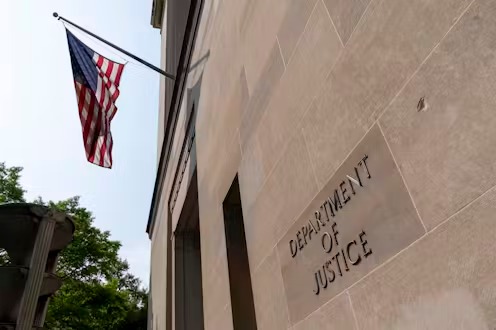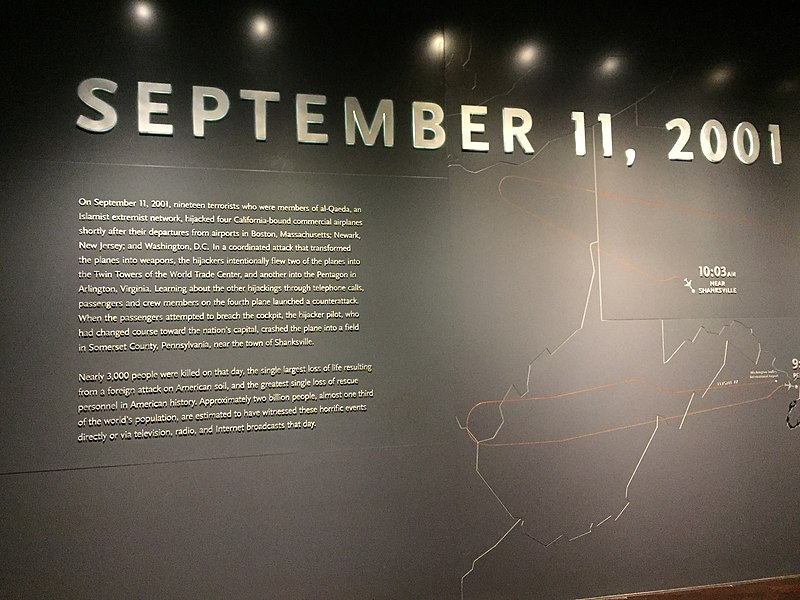
A judge in the United States has ruled that the families of the victims of the 9/11 terrorist attacks are not entitled to funds from Afghanistan’s central bank or DAB. The judge ruled that awarding the funds to the families would also mean that the US recognizes Afghanistan’s Taliban government.
US District Judge George Daniels said on Tuesday that the families of the victims of the 9/11 terrorist attacks are not entitled to funds from Afghanistan’s central bank. Daniels said in the ruling that awarding the families the money seized from the Afghan central bank, would need an assessment that the Taliban administration is the legitimate government of Afghanistan. Daniels said he was “constitutionally restrained” from making such a decision.
“The judgment creditors are entitled to collect on their default judgments and be made whole for the worst terrorist attack in our nation’s history, but they cannot do so with the funds of the central bank of Afghanistan,” said Daniels in his ruling.
“The Taliban – not the former Islamic Republic of Afghanistan or the Afghan people – must pay for the Taliban’s liability in the 9/11 attacks,” said the ruling, which also upholds the previous ruling in August 2022 of US Magistrate Judge Sarah Netburn, noting that only the US President can acknowledge the Taliban as Afghanistan’s legitimate government.
In February 2022, the Biden administration issued an executive order saying that it would split the $7 billion of frozen assets from the Afghan central bank between the Afghan people and the families of the 9/11 victims. Lawyers for the families argued that the Taliban helped enable al-Qaeda by allowing the group to operate on Afghan soil.
However, Afghan Americans have said the Afghan people have “nothing to do with 9/11.”
Meanwhile, a senior Pakistani delegation visited Afghanistan this week for talks with Taliban officials following the closure of the largest border crossing amidst tensions between the two countries. Pakistani defense minister Khwaja Asif, Pakistani Inter-Services Intelligence Agency head Lieutenant General Nadeem Anjum and other top officials met with Afghan deputy acting Prime Minister Abdul Ghani Baradar and the acting deputy prime minister for economic affairs in Kabul.