
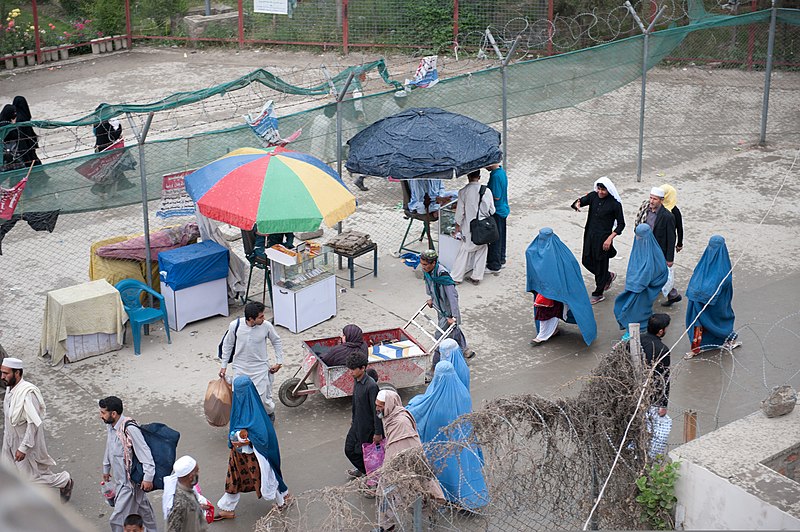
Afghanistan’s Taliban administration announced that they would be reopening the country’s key trade route with Pakistan. The reopening comes four days after the border crossing was closed off and left many trucks carrying food and other items stranded in the area.
The Taliban government announced the reopening of the Torkham border crossing it shares with Pakistan four days after the border was closed off. The decision by the Taliban to reopen the border crossing follows the meeting between a high-level Pakistani delegation led by Pakistani defense minister Khawaja Asif visited Afghanistan’s capital Kabul the day before to discuss security, among other issues.
The delegation met with Afghanistan’s deputy prime minister for economic affairs, Mullah Abdul Ghani Baradar and other Taliban officials. At the time, the Afghan embassy in Islamabad announced that the Torkham trade route would be reopened on Thursday due to a “breach of commitments” by Pakistan.
Pakistani officials said on Thursday that they would be reopening their side of the border after completing the “administrative requirements.”
“We are just completing the necessary documentation and other administrative work before reopening the gate which is expected in another few hours,” said a Pakistani security official to Al Jazeera.
Afghanistan and Pakistan share a 2,600-kilometer-long border. The Taliban said it closed the Torkham border crossing due to Islamabad allegedly denying entry to Afghan migrants seeking medical care. Pakistan has accused the insurgent group of harboring armed attackers that are members of the outlawed Pakistan Taliban, also known as the TTP.
The TTP has been accused of the surge of violent attacks across Pakistan, killing dozens. The meeting in Kabul was amidst the TTP’s attacks in the country.
A report released on Thursday by the Crisis Group warned against international donors cutting off aid to Afghanistan following the Taliban’s policies barring women from participating in aid work and education.
The report called for Western countries to find a “liminal space between pariah and legitimate status” in order to respond to the humanitarian crisis the country has been under since the Taliban retook control of Afghanistan in 2021 following the withdrawal of foreign military forces.


