


 Mahmoud Abbas Postpones Palestinian Elections to September 2027
  Kim Jong Un Showcases ICBM Ahead of Possible Trump Meeting
  US Recalls Nicaragua Envoy After Ambassador Rejection
  Pakistan Declares Emergency in Khyber Pakhtunkhwa, Suspends Imran Khan’s PTI Government
  US Authorities Raid Ilhan Omar’s Home Amid Immigration Fraud Probe
  India Voter List Protests Reach Supreme Court as Opposition Demands Election Chief's Resignation
  European Auto Stocks Rise as EU-China Trade Deal Targets Hybrid Imports
  Trump Denies China, Russia Are Helping Iran in War
  Zelenskiy Says Ukraine Received No Warning Before Russian Missile Attack
  Trump Denies Russia and China Are Helping Iran in U.S. Conflict
  MI5 Warns of Rising Iran, Russia Threats and AI Bioweapon Risks
  Jordan Bardella Antisemitism Allegations Threaten Le Pen’s Campaign
  Most Americans Oppose Election Betting on Prediction Markets, Poll Finds
  North Korea Fires Ballistic Missiles Amid Rising Tensions With South Korea
  US Judge Blocks Trump Administration’s Taxpayer-Funded Political Ads
  Djibouti Migrant Boat Capsizes, Killing 139 and Leaving 84 Missing
  US Condemns China Sanctions on Taiwan Allies Belize and Paraguay


 Add as a preferred source on Google
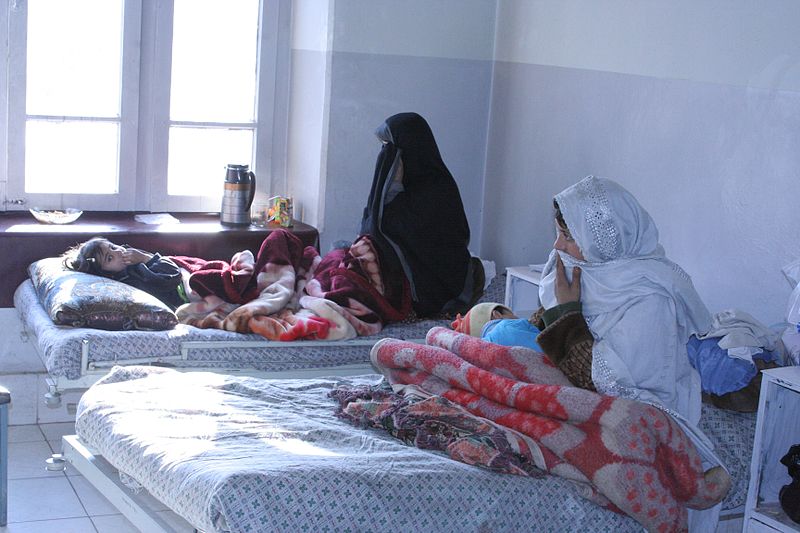
The COVID-19 pandemic has also reached Afghanistan, as the country deals with infections amidst an ongoing crisis since the Taliban took over. Aside from a humanitarian and economic crisis, Afghanistan appears to also suffer a healthcare crisis as it deals with coronavirus cases.
According to Al Jazeera, the COVID-19 situation in Afghanistan has improved so far. However, while the cases have improved, the Afghan-Japan Communicable Disease hospital in Kabul is on the verge of a “collapse.” The report revealed that the fuel needed to produce oxygen is running low in the only facility for COVID-19 in the capital along with an increasing shortage in supplies such as essential drugs. The hospital’s staff are also struggling financially but still show up to treat patients.
The hospital’s administration logistics manager Dr. Ahmad Fatah Habibyar told the outlet that they are dealing with three months of unpaid salaries, shortage of equipment, drugs, and food. Dr. Habibyar noted that some of the staff in the hospital have struggled to the extent that they had to sell their household furniture in order to make ends meet.
“Oxygen is a big issue because we can’t run the generators,” said Dr. Habibyar, adding that the hospital’s production plant has not worked for months as they could not afford the diesel fuel required. They have had to resort to buying oxygen cylinders from a local supplier, and the doctors are also anticipating what they fear to be an inevitable set of new infections from the Omicron variant.
Meanwhile, the US House of Representatives is calling on the Biden administration to take action in preventing an economic crisis in Afghanistan. A group of lawmakers led by Democratic Reps. Jason Crow and Tom Malinowski and Republican Rep. Peter Meijer proposed steps to provide economic relief in a letter addressed to Secretary of State Antony Blinken and Treasury Secretary Janet Yellen this week.
“We have no desire to help the Taliban government and believe that there is an approach the US can take to help prevent a catastrophic collapse of Afghanistan’s aid-dependent economy while not providing legitimacy to the Taliban,” the lawmakers wrote.
They advised the Biden administration to release the frozen Afghan funds to a United Nations-backed agency to pay teacher salaries and provide meals for children in schools as long as girls can attend, clarifying sanctions exemptions for humanitarian aid, assisting “multilateral organizations attempting to pay Afghan civil servants,” and allowing Afghanistan’s financial institutions to inject funds into the Afghan economy among other measures.







