


 NASA and SpaceX Target Crew-11 Undocking From ISS Amid Medical Concern
  FDA Adds Fatal Risk Warning to J&J and Legend Biotech’s Carvykti Cancer Therapy
  Trump Administration Releases New UFO Files and Apollo Mission Records
  Eli Lilly’s Inluriyo Gains FDA Approval for Advanced Breast Cancer Treatment
  Is space worth the cost? Accounting experts say its value can’t be found in spreadsheets
  Tabletop particle accelerator could transform medicine and materials science
  SpaceX Prioritizes Moon Mission Before Mars as Starship Development Accelerates
  Trump and Merck KGaA Partner to Slash IVF Drug Costs and Expand Fertility Coverage
  Blue Origin New Glenn Rocket Explodes During Launch Pad Test, Delaying Space Ambitions
  Neuralink Plans High-Volume Brain Implant Production and Fully Automated Surgery by 2026
  Trump Signs Executive Order to Boost AI Research in Childhood Cancer


 Add as a preferred source on Google
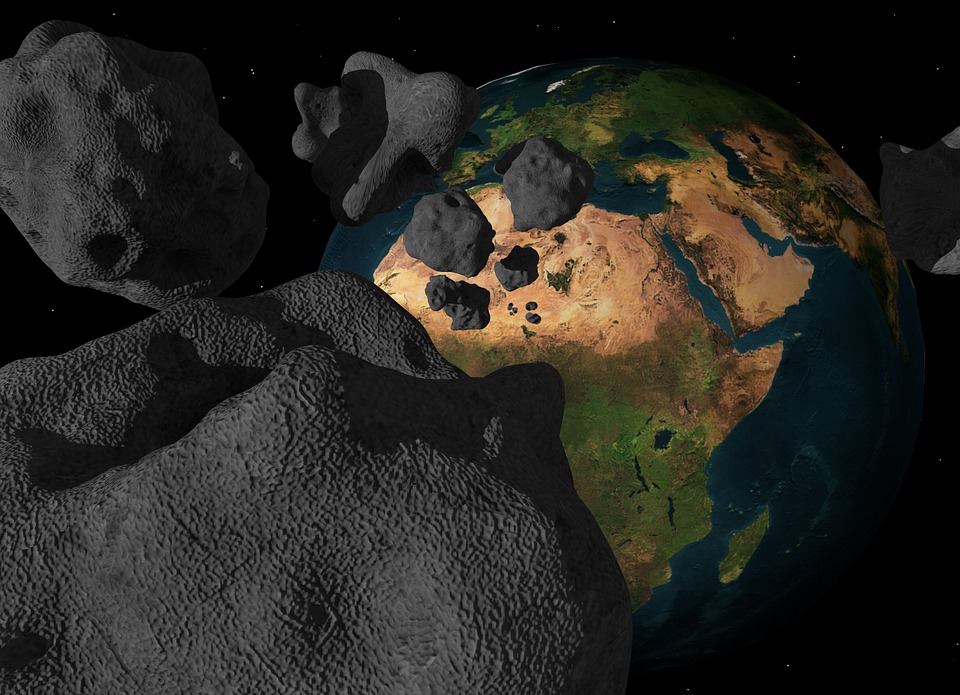
The chances of an asteroid actually colliding with the Earth are very slim, with a good chance of the space rock actually causing catastrophic damage being equally small. But there are still instances of space rocks actually making an unannounced visit to Earth, such as a fireball that exploded over England.
Express reports that a video taken back in December showed a fireball exploding in the sky above England. Many witnesses inquired at the International Meteor Organization about the incident, some expressing that it was a spectacular thing that they have seen. When asteroids or meteors come into contact with the planet’s atmosphere, small rocks are bound to explode and thus produce a streak of fire.
Even if the meteor that hit the skies was relatively smaller than the rocks that are a cause of concern, it serves as a reminder to all to watch the skies in case of another potential asteroid collision. Despite the very minute chance that an asteroid would impact the Earth in the present time or in the near future, US space agency NASA believes that there is always a one in 300,000 chance that an asteroid would cause greater damage that could affect a region on Earth.
It also bears pointing out that the extinction of the dinosaurs millions of years ago was mostly due to an asteroid strike, despite the many other theories regarding the cause of their extinction.
Meanwhile, it is known that the Sun will eventually die out in a span of billions of years from now. With the Sun eventually dying out during that time, researchers have revealed that it would also destroy the asteroid belt in the process. Stars undergo a very long process before it finally dies out, mostly going through a red giant phase before shrinking into a white dwarf. In the case of the sun, it will likely go out through a supernova, scorching and burning the nearest planets, specifically the planets within the asteroid belt, which are Mercury, Venus, Earth, and Mars.
Along with possibly burning the planets into dust, the electromagnetic energy or radiation that the sun would emit would wind up, causing the asteroids within this area to explode.







