


 France Targets Shein, Temu With Fast-Fashion Fees
  Judge Blocks Trump Rule Limiting Foreign Student Visas
  Trump Hopes Iran War Nears End as Yemen Fighting Escalates
  US Delegation Visits Myanmar, Secures Release of American Adam Castillo
  France Urges Faster AI Push Despite Safety Risks
  Trump Grants Clemency to Jay-Z Associate Emory Jones
  DOJ Will Investigate AI-Related Crimes, Attorney General Blanche Says
  Trump Threatens EU Tariffs Over Canada Membership Proposal
  Texas Republicans Turn Against AI Data Centers as Election Backlash Grows
  US Judge Dismisses Imran Ahmed Deportation Lawsuit
  US Resumes Immigrant Visa Processing for Hungary, Poland
  Houthis Seize Bab el-Mandeb as Military Power Grows
  Kim Yo Jong Warns of Stronger Response to US-Led Military Drills
  Pentagon Restarts Testosterone Testing for US Troops
  UN Allows Mahmoud Abbas Video Address After US Visa Denial
  US Bans Canadian Alcohol, Motorcycles as Trade War Escalates
  South Korea’s Lee Rules Out Military Role in Middle East War


 Add as a preferred source on Google
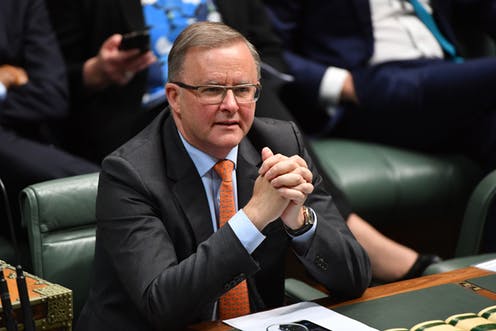
Australian Prime Minister Anthony Albanese has unveiled his government’s landmark plan to introduce a world-first ban on social media use for children under 16. Speaking at the Protecting Children in the Digital Age event in New York, held alongside the United Nations General Assembly, Albanese highlighted the urgent need to address the risks posed by social media to young people.
The legislation, which passed in November 2024, raises the minimum age to open a social media account in Australia from 13 to 16. It is set to take effect in December, making Australia the first country to enforce such restrictions. The government argues the policy will provide teens with more time to develop through “real-life experiences” instead of being influenced by online algorithms.
Rather than blanket age verification, the law will require platforms to use artificial intelligence and behavioral data to estimate users’ ages. While Albanese acknowledged the system is not foolproof, he called it “a crucial step in the right direction” to safeguard children at a critical stage of development.
The move has sparked global interest, with European Commission President Ursula von der Leyen praising Australia’s bold approach and stating that Europe is “watching and learning.”
The Albanese government cited extensive research linking social media overuse in younger teens to mental health issues such as depression, anxiety, cyberbullying, and harmful body image pressures. Officials believe the new restrictions will delay exposure to misinformation and toxic online environments, giving children an additional three years before facing such challenges.
Albanese described the measure as both sensible and overdue, emphasizing that governments worldwide must act quickly to adapt to the constantly evolving digital landscape. By leading this initiative, Australia aims to set an example for other nations grappling with the growing impact of social media on youth.







