


 Yen in Focus as BOJ, Fed Rate Hikes Reshape Currency Markets
  Australia Trade Surplus Shrinks Sharply as Imports Surge
  US Treasury Bond Buybacks Fall Short Despite Expanded $6 Billion Cap
  Trump Eyes $54 Billion South Korean Investment in Alaska LNG
  BOJ Set for 25-Basis-Point Rate Hike as Yen Weakness Fuels Inflation
  Global Central Banks Brace for More Rate Hikes as Inflation Risks Rise
  Asian Stocks Fall as Bond Yields and Oil Prices Surge
  Trump Demands Powell Resign Over Fed Renovation Cost Overruns
  Fed’s Hammack Says Bond Yield Surge Is Not Driven by Inflation Fears
  Gold Steady as Softer U.S. Inflation Eases Fed Rate Hike Bets
  RBA Hikes Interest Rate to 4.60% as Inflation Risks Rise


 Add as a preferred source on Google
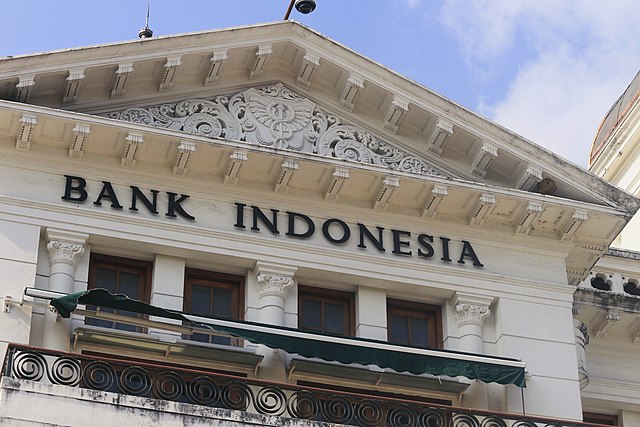
Bank Indonesia (BI) is expected to keep its benchmark seven-day reverse repurchase rate at 5.75% on Wednesday, prioritizing rupiah stability amid global trade uncertainties. A Reuters poll conducted from March 10–17 found that 19 of 31 economists anticipate no change, while 12 predict a 25 basis point cut.
Despite Indonesia’s economy growing slightly above 5% in 2024, its slowest in three years, the central bank remains cautious. BI Governor Perry Warjiyo acknowledges the need to boost growth, but with the rupiah down 2% this year despite forex interventions, the focus remains on currency stability. Overnight deposit and lending rates are also expected to stay at 5.00% and 6.50%, respectively.
Southeast Asia and India ANZ economist Sanjay Mathur noted that conditions for a rate cut remain unfavorable due to rupiah weakness. “The rate-cutting cycle is intact, but each move will depend on FX stability,” he said. The median forecast suggests a 25 basis point cut to 5.50% next quarter, though opinions vary, reflecting uncertainty over U.S. trade policies.
The Federal Reserve is expected to hold rates amid rising U.S. inflation risks driven by tariffs, increasing pressure on emerging markets like Indonesia. BI is likely to prioritize currency stability to prevent capital outflows.
Josua Pardede, chief economist at Permata Bank, warns that ongoing U.S. protectionist policies could escalate market uncertainty, prompting investors to take a risk-off stance. “Trade war risks have already led to capital outflows, affecting rupiah stability,” he said.
With global volatility persisting, BI is expected to maintain its cautious stance before considering rate cuts in the next quarter.







