


 US Dollar Index Falls as Fed Signals Caution, Indian Rupee Surges
  Trump Defends Russian Diesel Deal Amid US Sanctions Backlash
  China Resumes US Soybean Purchases After Trump-Xi Summit
  Gold Prices Rebound as Dollar Weakens Ahead of US Inflation Data
  Philippines Current Account Deficit Seen at $19.1 Billion in 2026
  IMF Maintains 2027 Global Growth Forecast at 3.4% Amid Rising Risks
  US Inflation Surges in September, Raising Fed Rate Hike Bets
  Fed’s Williams Sees One More Rate Hike in 2026, None in 2027
  Fed's Hammack Urges Faster Rate Hikes to Fight Inflation
  Oil Prices Mixed as Russia Diesel Deal and Houthi Attacks Raise Supply Concerns
  Oil Prices Surge Above $106 After Deadly Saudi Airport Attack
  US Dollar Hits 18-Month High as Inflation Fuels Fed Rate Hike Bets
  Wall Street Falls as Hot US Inflation Fuels Fed Rate Hike Bets
  RBA Signals More Rate Hikes as Inflation Risks Rise
  S&P 500 Futures Rise Ahead of US Inflation Data and Bank Earnings
  Gaza Olive Harvest Collapses as War Destroys Farmland
  IMF Warns US Debt Crisis Needs Fiscal Action, Urges China to Boost Consumption


 Add as a preferred source on Google
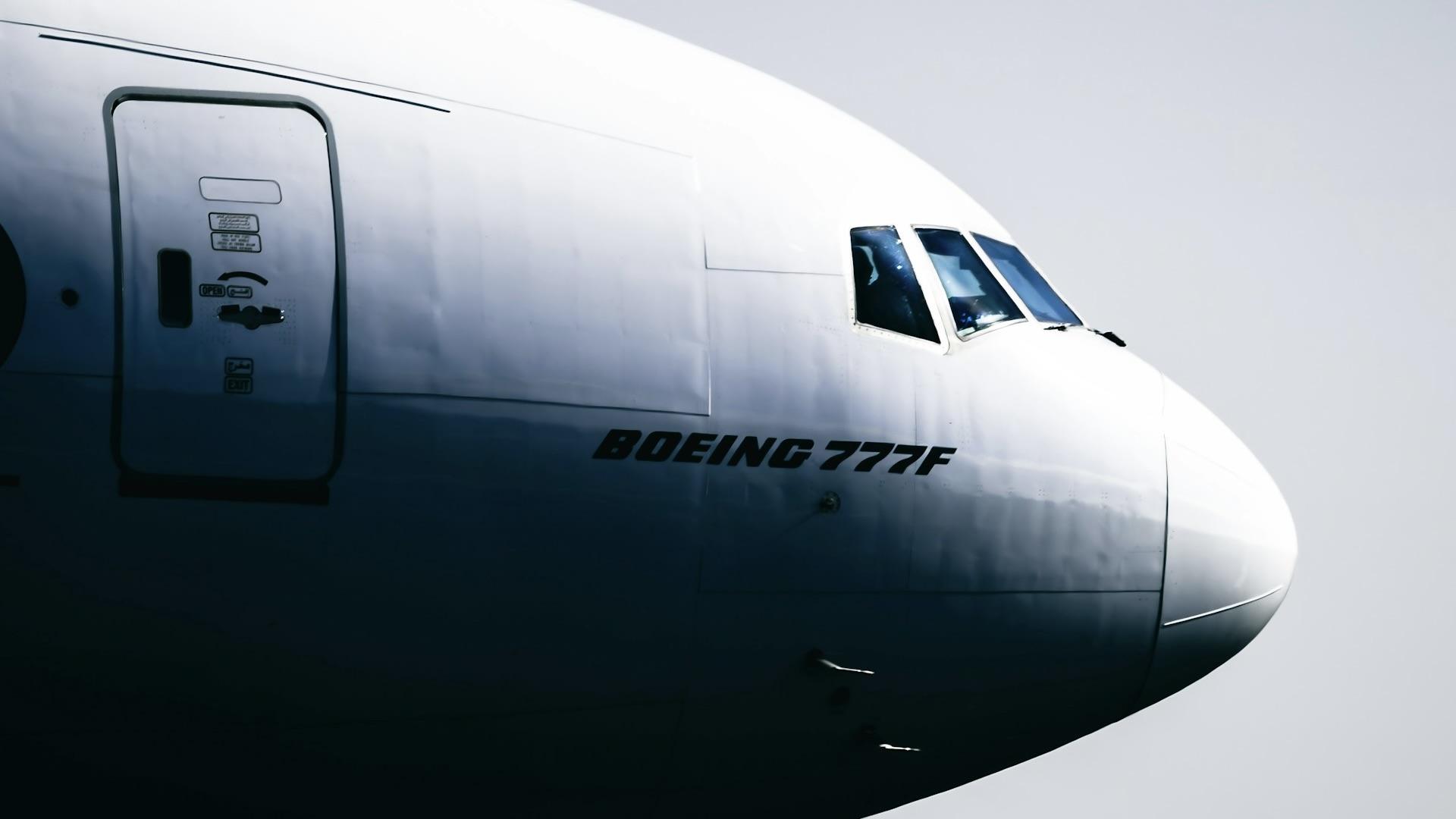
Boeing’s aircraft certification is under intense scrutiny as the FAA implements sweeping reforms after a January 737 MAX 9 incident. The changes aim to improve safety oversight and streamline the approval process, affecting MAX 7 and MAX 10 production timelines.
FAA Moves to Streamline Aircraft Certification
Investing.com reports that after a plane disaster in January, the chairman of the FAA is trying to make aircraft certification easier and increase oversight of Boeing.
After a door panel missing four bolts fell off an Alaska Airlines Boeing 737 MAX 9 in January, FAA Administrator Mike Whitaker said in an interview that the agency is also reevaluating its approach to broader aviation oversight.
The method for certifying aircraft is being reviewed by Whitaker.
"We are reviewing that to ensure that we are receiving the appropriate information and have the necessary tools to comprehend it. It may be more effective to involve ourselves earlier in the process to gain a better understanding of the situation," Whitaker stated. He also mentioned that the FAA is utilizing "better technology" to simplify the process.
Boeing’s MAX 7 Certification Delays Impact Airlines
Despite numerous setbacks, Boeing had anticipated to attain MAX 7 certification in 2022. To resolve an issue with engine de-icing, Boeing withdrew its request for a safety exemption in January. According to Whitaker's interview with Reuters, Boeing is expected to propose a de-icing patch this month.
The FAA can't certify the larger MAX 10 until the MAX 7 is certified. Airline delivery schedules have been extended due to delays. Reuters reported in September that Alaska Airlines CEO Ben Minicucci has stated his expectation that the airline will not acquire any 737 MAX 10s until mid-2026, at the latest.
Whitaker describes the FAA's shift from being "too hands off" to doing more in-person inspections as a "permanent change." As a result, the agency's control of Boeing has been significantly increased.
FAA Strengthens Oversight with Focus on Safety
"I think we've ramped up the level of oversight," stated the president. "The inspection points need to be focused on the key parts of that production process."
Whitaker increased the frequency of meetings and increased the number of senior officials on an agency's oversight committee. As part of a new strategy that "should give us a more agile oversight approach and prevent what may have been happening in the past," the FAA is implementing a policy of "continuously review our oversight models" for various entities, including Boeing, airlines, air traffic controllers, and others.







