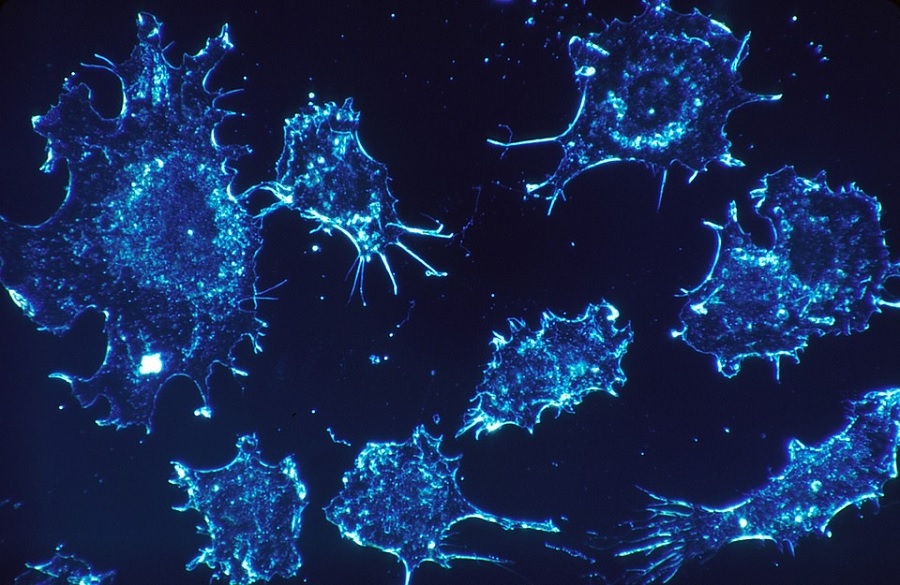
Finding the cure for cancer also requires scientists and researchers to find various strategies on how to heal or destroy cancer cells and tumors. A recently published study offers an interesting approach as it revealed that a vaccine might be able to “teach” the immune system in treating tumors by itself.
The study was published in Nature Medicine (EurekAlert!) in April by researchers from the renowned New York hospital Mount Sinai. The said vaccine is still under the experimental phase and is being called the “in situ vaccination.”
Reports have it that the scientists’ strategy is to inject “immune stimulants” directly to a tumor. This way, the immune system will recognize it and later heal a patient by destroying it and other tumors present in the body.
There were 11 patients who have been injected by this potential cancer cure and reportedly experienced positive results enough to merit a more advanced phase of clinical trials. Some of these cancer patients have reportedly been in remission for several months now because of the vaccine.
"The in situ vaccine approach has broad implications for multiple types of cancer," the study’s lead author Joshua Brody said. "This method could also increase the success of other immunotherapies such as checkpoint blockade." Dr. Brody is also the director of the Lymphoma Immunotherapy Program at The Tisch Cancer Institute in the Icahn School of Medicine of Mount Sinai.
The vaccine is reportedly administered with a couple of immune stimulants that work in different ways but all important to make the vaccine work. It starts by injecting immune stimulants that work to lead dendritic cells where the tumor is. The second one will activate the dendritic cells and awaken the T cells to subsequently destroy the tumors. The entire process then teaches the stimulants of the characteristics of the tumor allowing them to heal others in different parts of the body of the patient.