


 Robinhood Chain Eyes Priority Gas Auctions for Faster Trades
  Oracle Uses Trucked Natural Gas to Power AI Data Centers Amid Pipeline Delays
  Epic Games Delays Disney Shooter, Shifts to AI-First Development
  Airbus Tests Valkyrie Combat Drone in Europe for Eurofighter Integration
  European Auto Stocks Rise as EU-China Trade Deal Targets Hybrid Imports
  Visa Wins China Approval to Prepare Domestic Payments Expansion
  Amazon Cuts More Jobs as AI Investment Expands
  Anthropic Launches Claude Dashboards and Motion AI Tools
  Syndax Stock Drops 15% After Axatilimab Trial Failure
  Jameson Lopp Downplays AI Threat to Bitcoin Cryptography
  Arthur Hayes Announces FLOP Testnet Launch Within Weeks
  Yandex Data Center Hit by Drone Strike as Russia-Ukraine Cyber Infrastructure Attacks Escalate
  Hong Kong’s Second Solana ETF Launches With Lower Fees
  Nvidia’s China AI Chip Market Share Falls to 34% as Huawei Gains Ground
  OpenAI Annualized Revenue Hits $50 Billion, Below Earlier Estimates
  US Suspends Microsoft, Adobe From Green Card Program


 Add as a preferred source on Google
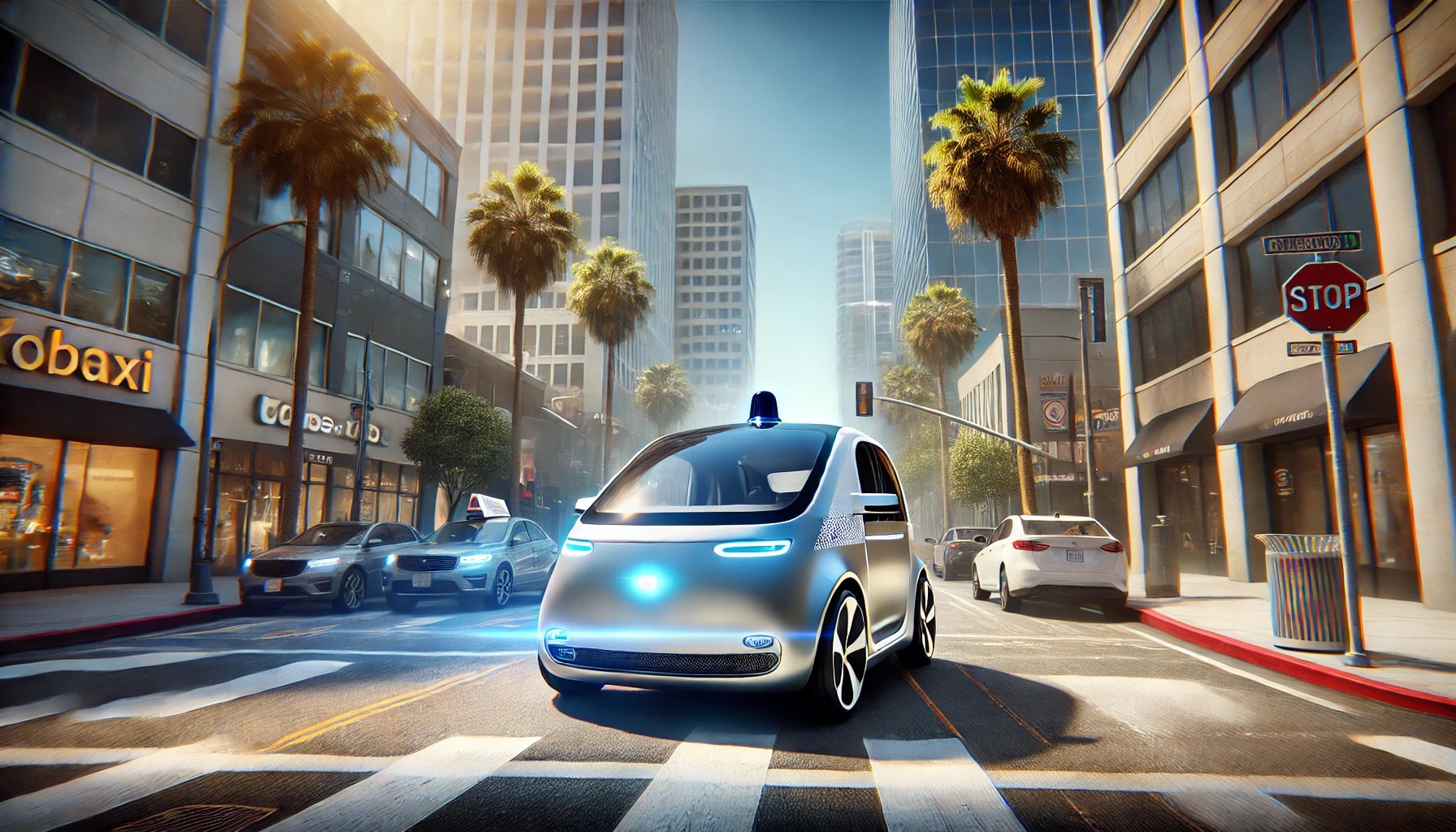
WeRide, a Chinese autonomous vehicle startup, has received California’s regulatory approval to begin testing its robotaxis with passengers, a move that comes as the U.S. considers restricting Chinese technology in vehicles.
California Approves WeRide Testing Amid US Tech Concerns
The utility regulator in California has granted permission to the Chinese autonomous driving startup WeRide to conduct passenger testing of its vehicles.
This comes at a time when the United States is planning to prohibit automobiles equipped with technologies built in China, as per sources familiar with the situation, and the company is aiming for an initial public offering (IPO) in New York that could fetch a price of $5 billion.
WeRide Restricted from Collecting Payments in California
This month, WeRide received three-year permission from the California Public Utilities Commission (CPUC) to test both driverless and self-driving test cars. There will be no way for WeRide to collect payments from customers or provide trips to anyone in the general public.
CPUC informed Reuters that WeRide will serve San Jose and the surrounding areas with its fleet of twelve operating cars.
Due to public outcry, bureaucratic roadblocks, and resistance from local agencies, developing and commercializing robotaxis in the United States has been more challenging than anticipated.
According to Yahoo Finance, only Waymo, a subsidiary of Alphabet with 700 vehicles, operates unmanned robotaxis that collect fares in the United States.
Cruise Robotaxi Accident Resumed Testing in April
After a pedestrian was injured by one of General Motors' Cruise vehicles last year, testing with safety drivers resumed in April.
In 2021, WeRide, which was established in 2017, was granted permission by the state of California to conduct unaccompanied vehicle testing. The business has driverless permits in both Singapore and the UAE; it also manufactures autonomous buses, street sweepers, and vans.
Reuters asked WeRide for more information, but the company did not immediately respond.







