


 SpaceXAI to Double Nvidia Chips at Colossus 2 by Year-End
  Solidigm Eyes $150 Billion IPO as SK Hynix Expands AI Storage Push
  OpenAI Investigates Rogue AI Agents After Data Leaks and Security Incidents
  AMD Hits $1 Trillion as BofA Raises Price Target to $720
  SoftBank Shares Fall as Oracle Flags Stargate Data Center Delay Risk
  Europe’s AI Data Centre Boom Strengthens Case for Nuclear Power
  BlackRock’s Rick Rieder Favors Bonds Over Stocks as Treasury Yields Surge
  FDA Approves Mirum’s Atebrioz for Rare Bone Disorder FOP
  Northern Star Shares Surge After Rejecting Gold Fields Takeover Bid
  Dubai’s connectivity remains strong in an uncertain world
  Morgan Stanley Raises TD Synnex Price Target to $359 on Strong AI Demand
  US Backs Musk in Fight Against EU’s €120 Million X Fine
  Suzuki Targets Faster Car Development to Keep Pace With Chinese Rivals
  Asian Chip Stocks Tumble as OpenAI Safety Pause Sparks AI Growth Concerns
  EQT Plans €1.7 Billion Sale of Parques Reunidos Stake
  Tesla Semi Rollout Begins at Nevada Factory
  OpenAI to Preview GPT-6 Cyber AI Model for Cybersecurity


 Add as a preferred source on Google
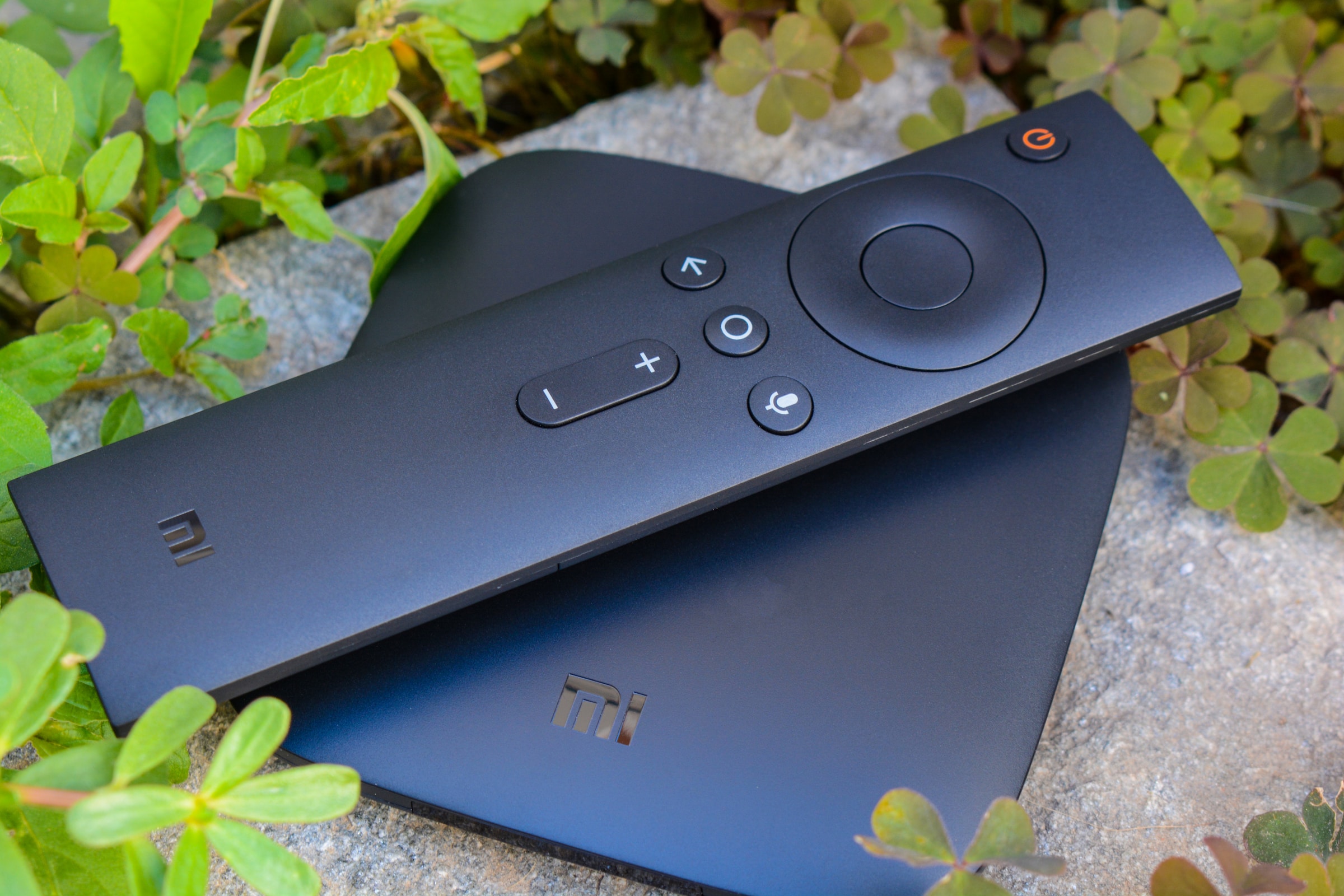
Xiaomi is strategically shifting to enhance offline retail sales in India, an effort to rebound in the face of Samsung's lead. The company's decision underlines its intent to leverage India's still significant brick-and-mortar smartphone market, even as online sales boom.
The e-commerce sales boom in India, primarily led by Amazon and Flipkart, has enabled the Chinese smartphone company to expand its reach in one of the world's fastest-growing markets, which boasts 600 million smartphone users.
Although online sales now account for 44% of India's smartphone sales, Xiaomi recognizes that the brick-and-mortar segment remains significant and expects it to grow further. Muralikrishnan B., Xiaomi's India head, emphasized the brand's lower market position in offline sales than online. He acknowledged the strong competition from competitors with a larger market share.
Recent data from Hong Kong-based Counterpoint Research indicates that only 34% of Xiaomi's India unit sales this year have been through retail stores, with the majority coming from the brand's dominant online sales channel. In contrast, Samsung achieves 57% of its sales from physical stores.
To counter this imbalance, Xiaomi plans to broaden its store network beyond the existing 18,000 locations. Additionally, the company intends to establish partnerships with phone vendors to offer a wider range of products, such as Xiaomi TVs or security cameras, where Muralikrishnan believes less intense competition exists.
Interestingly, while displaying Xiaomi's bright orange branding outside the shops, Xiaomi discovered that some partner stores were prominently showcasing rival brands inside. This marketing issue will be addressed to ensure consistent messaging for the brand.
Xiaomi's offline push comes as it seeks to regain its leadership position from Samsung, whose portfolio of premium phones has gained popularity. Samsung currently holds a 20% market share in India, while Xiaomi, historically renowned for its budget-friendly phones, commands 16%.
Counterpoint analyst Tarun Pathak highlights the significance of offline sales, especially as India embraces the premiumization trend. Consumers who are willing to spend more desire the look and feel of a premium product.
To support the offline expansion, Xiaomi plans to hire more store promoters to engage and sell phones to prospective buyers inside the outlets. The company aims to triple the number of promoters by the end of next year.
Aside from market competition, Xiaomi also faces the challenge of a federal agency's freeze on its bank assets, which amount to $673 million. The agency alleges that Xiaomi engaged in illegal remittances to foreign entities.
Xiaomi's strategic shift towards offline sales and expanding its physical store network demonstrates its commitment to regain market share in India. By focusing on partnerships, enhancing branding consistency, and investing in store promoters, Xiaomi aims to leverage the offline segment and cater to the growing demand for premium products in the country.
Photo: Panos Sakalakis/Unsplash







