


 Trump Opens Tax-Exempt Dyed Diesel Access as Fuel Prices Surge
  NASA Partners with Katalyst to Save Swift Observatory with Innovative Docking Mission
  NASA Artemis II: First Crewed Moon Mission Since Apollo Takes Four Astronauts on 10-Day Lunar Journey
  Blue Origin New Glenn Rocket Explodes During Launch Pad Test, Delaying Space Ambitions
  Eli Lilly’s Inluriyo Gains FDA Approval for Advanced Breast Cancer Treatment
  S&P 500 Hits Record High as AI Rally Lifts Wall Street
  FDA Investigates New Cyclospora Outbreak as U.S. Cases Continue to Rise
  SpaceX’s Starship Completes 11th Test Flight, Paving Way for Moon and Mars Missions
  Nasdaq Hits Record High as Tech Stocks Lift Wall Street
  Hanmi Pharm Soars 30% on $2.3 Billion Genentech Obesity Drug Deal
  Australia Consumer Confidence Plunges as RBA Rate Hike Hits Households
  AstraZeneca, Bristol Myers Squibb Explore Mega Merger Worth Nearly $400 Billion


 Add as a preferred source on Google
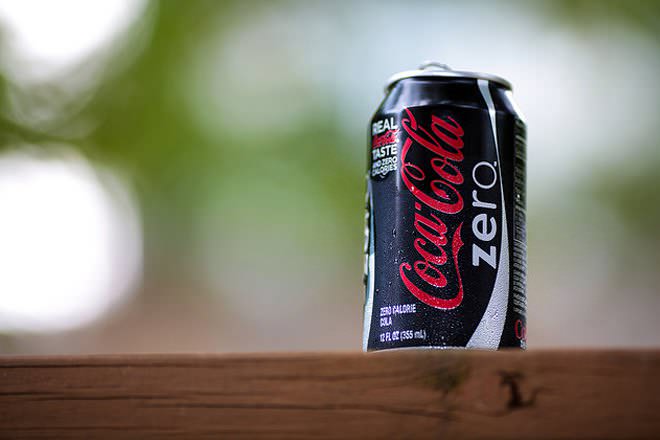
Consuming artificial sweeteners used in many soft drinks, including Coke Zero, could increase the risk of developing cancer, according to a study by NutriNet-Sante.
The study analyzed data of over 103,000 French people’s diet, lifestyle, and medical history from 2009 to 2021.
The participants who consumed beyond the median amount had an increased cancer risk of 13 percent compared to non-consumers, said the study's supervisor, Mathilde Touvier, who is a research director at France's INSERM institute.
According to the study, published in the journal PLOS Medicine, higher cancer risk was particularly seen with sweeteners acesulfame potassium and aspartame, both used in many soft drinks including Coke Zero.
The researchers compared sweetener consumption to the cancer rate while adjusting for other variables such as poor diet, smoking, physical activity, and age.
Women accounted for 79 percent of the participants. There was 37 percent of the total number of participants who consumed artificial sweeteners.
Soft drinks accounted for more than half of the artificial sweeteners consumed, while table-top sweeteners represented 29 percent.
The study found that "higher risks were observed for breast cancer and obesity-related cancers".
Touvier said they could not exclude biases linked to the consumers' lifestyle, calling for further research to confirm the study's results.
Millions consume sweeteners every day in products like diet soda, partly to avoid weight gain from sugar.
But these sugar substitutes have long been controversial.
However, the US National Cancer Institute and Cancer Research UK both claim that sweeteners are not cancerous, and have been authorized for use by the European Food Safety Authority.
James Brown, a biomedical scientist at Britain's Aston University, did not "believe the current study provides strong enough evidence" for Britain's National Health Service to "change its advice just yet".
According to Michael Jones of The Institute of Cancer Research, London, the link reported in the study "does not imply causation" and was "not proof that artificial sweeteners cause cancer". He added that the findings could suggest that cancer risk may be raised in the type of user rather than the sweetener.







