


 Saudi Arabia Shuts East-West Oil Pipeline After Drone Attack
  SEC Probes Banks Over Situational Awareness Hedge Fund Collapse
  DOJ Will Investigate AI-Related Crimes, Attorney General Blanche Says
  Rodrigo Duterte Makes First Public Appearance at ICC in 18 Months
  Yemen Fighting Threatens Red Sea Oil Routes
  Australia Plans New Rules Giving Users Control Over Social Media Feeds
  Trump Administration Pauses Visa Appointments Worldwide
  US Resumes Immigrant Visa Processing for Hungary, Poland
  Trump Threatens EU Tariffs Over Canada Membership Proposal
  France Urges Faster AI Push Despite Safety Risks
  Japan, U.S. Discuss $19 Billion GlobalFoundries Chip Plant
  Judge Blocks Trump Rule Limiting Foreign Student Visas
  US Immigration Arrests Surge as Deportations Lag Behind
  Ukraine Tests New Anti-Drone Weapon After Successful Shahed Intercept
  Australia Tightens Student Visa Rules, Targets Migration Cut by 2028
  Trump Grants Clemency to Jay-Z Associate Emory Jones


 Add as a preferred source on Google
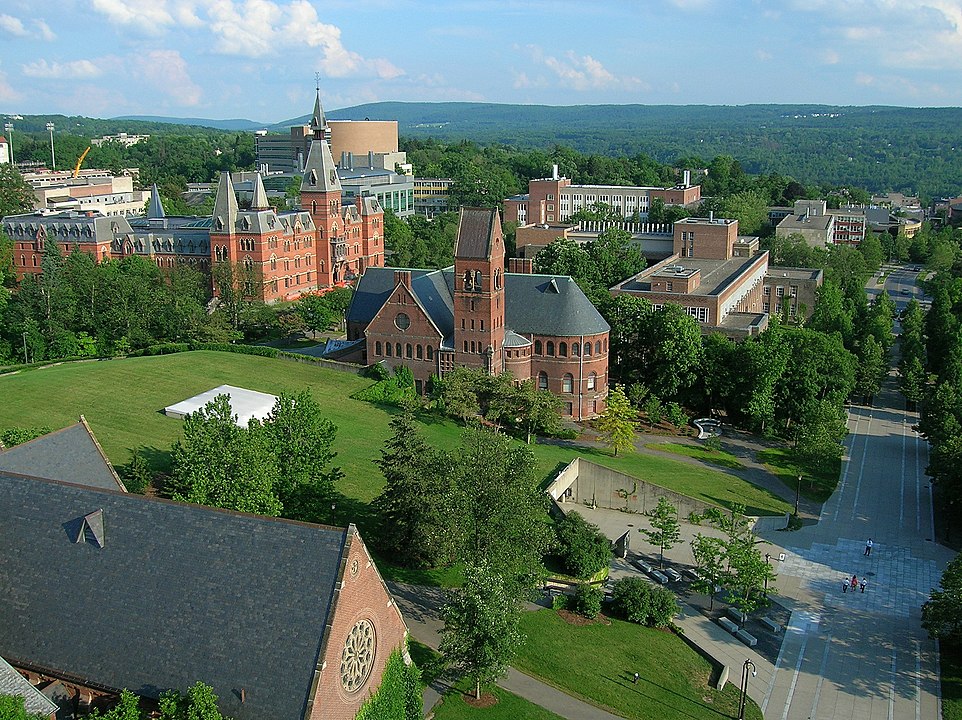
Cornell University has regained $250 million in federal grants after reaching an agreement with the Trump administration, marking the fifth such deal amid a broader conservative crackdown on higher education institutions. The Ivy League university, known for its leading agricultural programs, will pay $30 million to the U.S. government and invest another $30 million in agricultural research over the next three years.
Under the agreement, Cornell must also share undergraduate admissions data—including race, GPA, and standardized test scores—through 2028. This requirement ends federal investigations into alleged antisemitism and discrimination but does not impose any findings of civil rights violations. Cornell President Michael Kotlikoff emphasized that the university retains control over its hiring, admissions, and curriculum decisions without government interference.
The Trump administration, led by Education Secretary Linda McMahon, hailed the deal as a step toward curbing “divisive DEI policies” (diversity, equity, and inclusion) in academia. Earlier this year, the administration froze Cornell’s federal funding, citing insufficient action against antisemitism on campus. Kotlikoff expressed relief at the resolution, noting that the funding freeze had disrupted research, careers, and academic programs.
Higher education experts say the Cornell deal signals a weakening of the administration’s influence. Jon Fansmith of the American Council on Education said recent agreements show “increasing narrowness” in the government’s leverage over universities. The deal explicitly states that the U.S. cannot dictate academic speech or course content.
The Trump administration’s scrutiny of universities follows a wave of pro-Palestinian campus protests and ongoing criticism of DEI initiatives. Similar settlements have been reached with Columbia University and others, while Harvard continues to negotiate. Meanwhile, the administration’s proposal offering preferential federal funding to schools adopting certain policies has met widespread resistance from institutions defending academic freedom.







