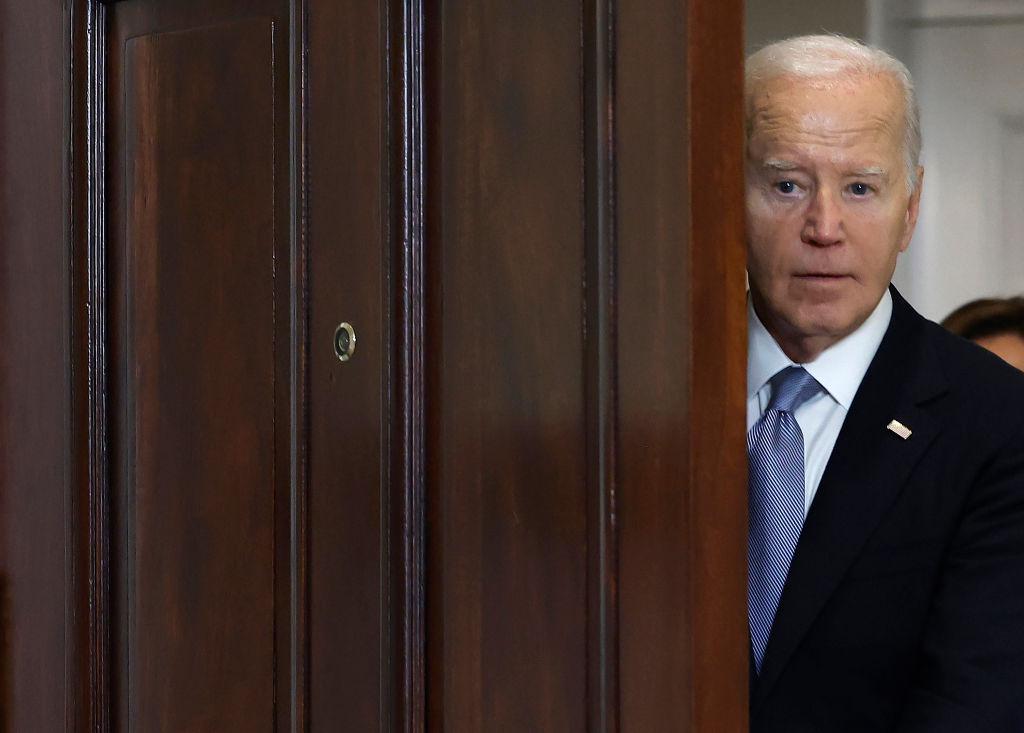
President Joe Biden has come under fire for reportedly spending 24% of his final year in office away from Washington, D.C., at locations such as Delaware, Camp David, or other vacation spots, according to a report by the Daily Caller. The statistic has fueled sharp criticism, particularly as the country grappled with numerous pressing challenges during his time away.
Biden’s frequent retreats to his private residence in Delaware and the presidential retreat Camp David have reignited debates over the balance between personal time and professional responsibilities for a sitting president.
Breakdown of Presidential Time Away
The Daily Caller report highlighted that nearly a quarter of Biden's final year was spent outside the White House. His trips to Delaware and Camp David, alongside visits to various vacation destinations, amounted to significant time spent away from Washington’s political epicenter. While some argue that these locations allowed Biden to work remotely in a relaxed environment, others question whether this time impacted his ability to lead effectively.
Political analyst Robert Carter weighed in, stating, “While modern technology allows presidents to remain connected, the optics of frequent absences during critical moments can harm public trust.”
Despite criticism, White House officials have defended Biden’s travel schedule. They argue that his time in Delaware or at Camp David often involved important meetings, strategic planning, and discussions with top advisors.
Divided Public Reaction to Biden’s Travel Habits
The revelation of Biden’s time away from Washington has sparked mixed reactions online, with social media users taking to Twitter to express their thoughts.
User @PatriotWatchdog tweeted, “Nearly 25% of the year away? If the country was running smoothly, maybe. But not now!”
Another user, @LiberalLens, defended Biden’s actions, writing, “Do people really think a president stops working outside D.C.? He can lead from anywhere.”
Meanwhile, @ConcernedCitizenUSA criticized the optics, tweeting, “It doesn’t matter if he’s working remotely. It looks bad when people are struggling, and he’s not in D.C.”
Supporter @BidenFan2024 added, “Delaware is his home, not just a vacation spot. People need to stop overreacting.”
Others remained skeptical of the president’s priorities. User @FrustratedVoter stated, “We elected him to work, not take vacations while the rest of us deal with crises.”
Finally, @RealTruthSeeker questioned, “How many of these days were actual vacations versus working from a different location? Let’s be fair.”
A Tradition of Presidential Retreats
Biden’s time away from Washington is not without precedent. Previous presidents, including Donald Trump and George W. Bush, faced similar scrutiny for frequenting their private residences or retreats. However, critics argue that the volume and timing of Biden’s travel warrant closer examination.
As the nation grapples with economic uncertainties, global tensions, and domestic challenges, questions about the president’s availability and presence remain central to the debate. For Biden, the criticism underscores the importance of managing both perceptions and the realities of governance.