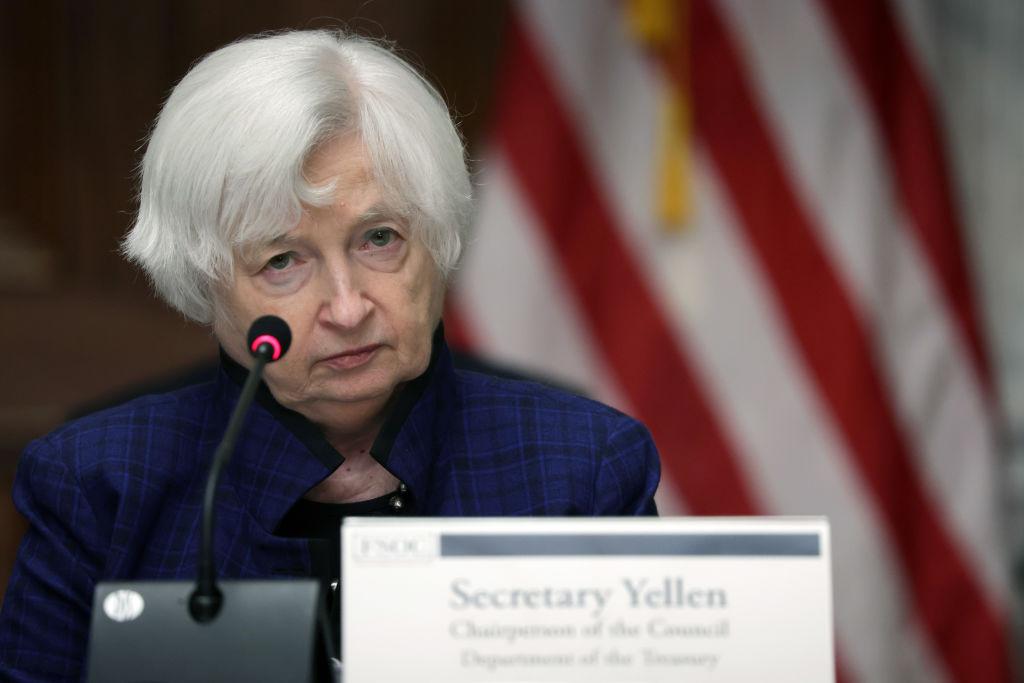
U.S. Treasury Secretary Janet Yellen announced a staggering $3.4 billion in additional budgetary support for Ukraine, intensifying debates over America’s financial priorities. The announcement, made during a press briefing, underscores the Biden administration's commitment to aiding Ukraine as it navigates its ongoing conflict with Russia.
The $3.4 billion disbursement is part of a broader package approved by Congress to bolster Ukraine’s economy and government infrastructure. However, the move has reignited discussions over domestic priorities and the U.S. national debt.
Strengthening Ukraine’s Economy Amid Conflict
Yellen emphasized that the funds would provide critical support to Ukraine’s government, allowing it to maintain essential public services, including healthcare, education, and energy infrastructure. The disbursement, according to Yellen, also serves as a signal of unwavering U.S. support for Ukraine’s sovereignty and democratic aspirations.
“These funds are vital for ensuring Ukraine’s resilience against aggression and for maintaining its economic stability,” Yellen said in her statement.
Experts note that the aid package reflects a strategic effort to sustain Ukraine’s economy and ensure it remains a viable partner for Western allies. Political analyst Dr. Sarah Whitfield explained, “Supporting Ukraine is not just about aid; it’s about sending a message to adversaries that the U.S. will defend democracy.”
Backlash Over Domestic Priorities
While the administration stands firm on its decision, the announcement has drawn sharp criticism from lawmakers and citizens who argue that domestic issues, such as rising inflation and infrastructure challenges, deserve greater attention.
Senator Robert Caldwell voiced concerns, stating, “We must ensure that American taxpayers’ dollars are being used responsibly, especially when we face significant challenges at home.”
Social media reactions were similarly divided, with users both applauding and condemning the decision.
Netizens React to Yellen’s $3.4 Billion Disbursement
User @PatriotFirst criticized the move, tweeting, “$3.4 billion for Ukraine while our own schools and roads crumble? Prioritize America first, Secretary Yellen!”
Another user, @GlobalAlly, defended the decision, writing, “Supporting Ukraine is supporting democracy worldwide. This funding is essential in the fight against Russian aggression.”
Meanwhile, @DebtWatchdog raised fiscal concerns, tweeting, “Adding billions to our debt to fund another country? When will this madness stop?”
Echoing support, @FreedomFighter posted, “Yellen’s commitment to Ukraine shows real leadership. We must stand with allies in their darkest hour.”
In contrast, @TaxpayerTruth said, “How much of this aid reaches the people of Ukraine? Transparency is critical in these deals.”
Finally, @UkrainianHope expressed gratitude, tweeting, “Thank you, America! This support gives us hope and strength to keep fighting for our freedom.”
Balancing Global Commitments with Domestic Needs
As Yellen’s announcement sparks debate, it highlights the delicate balance of addressing international responsibilities while managing domestic challenges. The Biden administration continues to argue that supporting Ukraine aligns with U.S. strategic interests. However, critics demand greater focus on America’s internal economic struggles.