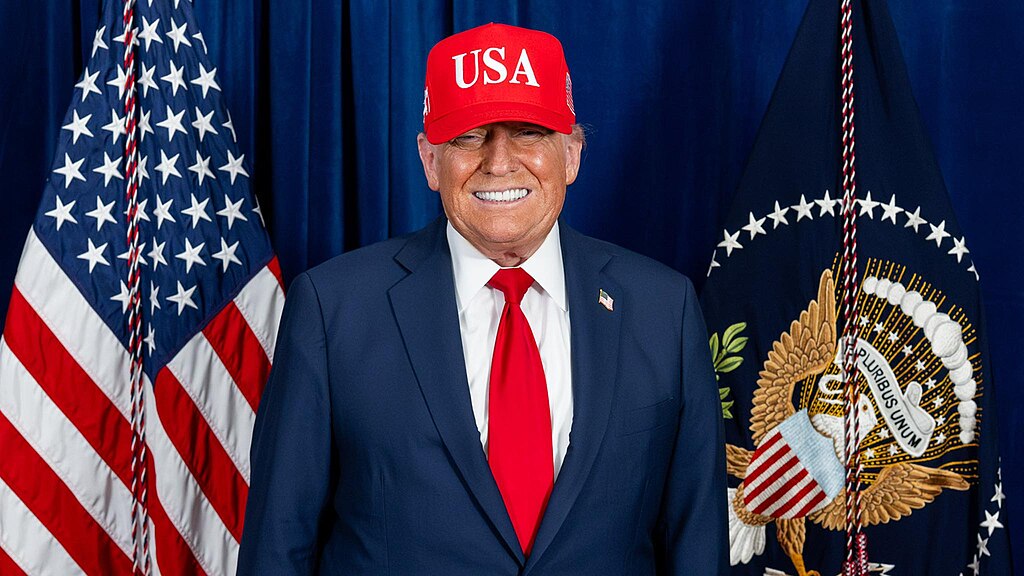
U.S. President Donald Trump has indicated that his administration may send a senior representative to Europe this weekend for potential peace talks on the war in Ukraine, but only if there is a genuine opportunity to finalize a peace agreement. The White House emphasized that Trump is increasingly frustrated with prolonged diplomatic efforts that have failed to deliver concrete results, underscoring his desire for decisive action to end the conflict.
Speaking to reporters on Thursday, White House press secretary Karoline Leavitt said the president is “extremely frustrated with both sides” and has grown tired of meetings that do not lead to meaningful progress. According to Leavitt, Trump is no longer interested in diplomacy for its own sake and wants tangible outcomes that could bring the war closer to an end. She stressed that any decision to participate in further negotiations would depend on whether talks in Europe show a real chance of success.
The United States has been actively involved in diplomatic engagement, with the administration spending more than 30 hours over the past few weeks in discussions with Russian, Ukrainian, and European officials. Despite this intensive effort, a final agreement has remained elusive. Trump’s potential decision to send a representative to Europe reflects both his willingness to pursue peace and his impatience with stalled negotiations.
Ukraine, meanwhile, is facing increasing pressure from Washington to reach a swift resolution to the war. However, Kyiv has pushed back against a U.S.-backed peace framework proposed last month, arguing that it disproportionately favors Moscow and could undermine Ukrainian interests. This resistance highlights the challenges facing any peace initiative, particularly amid differing priorities among the parties involved.
Trump also recently held a phone call with the leaders of France, Germany, and Britain, describing the conversation as a “spirited exchange” that included discussion of possible talks in Europe. The administration has signaled that it is closely monitoring developments and will decide on next steps based on whether meaningful progress appears likely.
As diplomatic momentum builds ahead of the weekend, the prospect of renewed Ukraine peace talks remains uncertain, with Trump making clear that future U.S. involvement hinges on results rather than rhetoric.