


 Canada Retaliatory Tariffs on U.S. Goods Take Effect
  Putin Holds ‘Highly Useful’ Ukraine Peace Talks With Trump Envoys
  U.S. Probes Apex Logistics Over Nvidia AI Chip Shipments to China
  Gold Prices Rise as Yen Rally Weakens Dollar
  Iran Plans New Gulf Restricted Zone as Hormuz Tensions Push Oil Higher
  Russia Eyes Putin-Trump-Xi Trilateral Meeting at China APEC Summit
  Trump Grants Clemency to Jay-Z Associate Emory Jones
  Kyiv Mothers Give Birth Amid Russian Drone Attacks
  Asian Currencies Mixed as Yen Rallies on BOJ Bets
  Asian Stocks Rally as AI Optimism Fuels Chipmaker Surge
  China Exports Surge 25% in August as Trade Surplus Hits $119 Billion
  Japan, U.S. Stay Aligned on Yen as Currency Surges
  New Zealand Labour Backs Social Media Ban for Under-16s
  Cuba Says No US Talks as Blockade Costs Hit $8.1 Billion
  FCC Steps Up China Tech Crackdown as Beijing Pushes Back
  Iran Vows Tougher Response as U.S. Sanctions Squeeze Economy
  SEC Sues Former Tricolor Executives Over $1.9 Billion Investor Fraud Scheme


 Add as a preferred source on Google
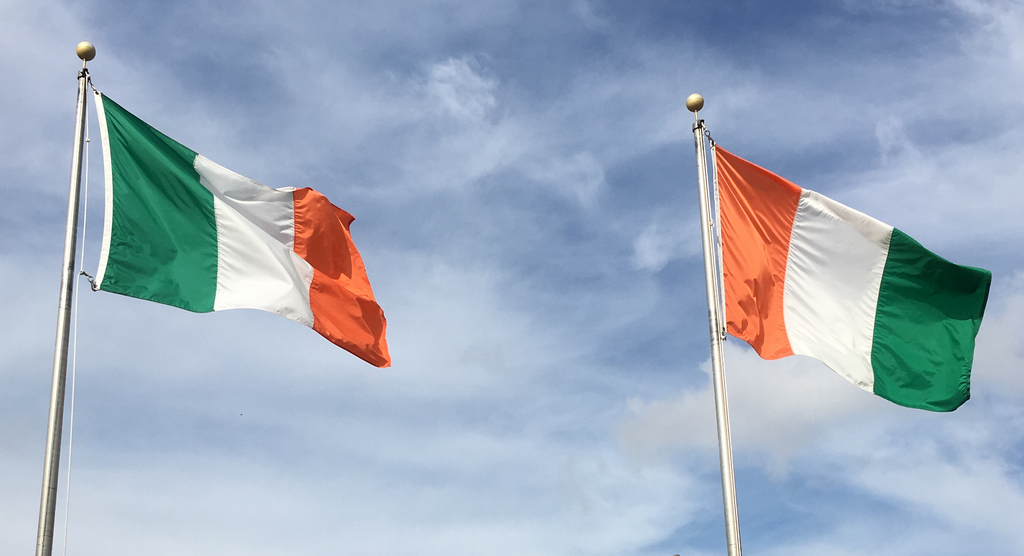
Ireland has clarified that its proposed legislation to curb trade with Israeli settlements in the occupied West Bank will apply strictly to goods, not services, according to a senior minister speaking to Reuters. The announcement offers the clearest indication yet of the scope of the controversial bill, which has drawn international attention and criticism, including accusations of antisemitism that the Irish government firmly rejects.
Thomas Byrne, Ireland’s Minister of State for European Affairs and Defence, said the legislation would prohibit the import of goods produced in illegally occupied territories and stressed that it is an “extremely limited measure.” He also confirmed that the bill will not become law this year, as the government continues to assess its legal and economic implications. Byrne noted that similar restrictions on settlement goods already exist in several European countries, positioning Ireland’s move within a broader European context.
The Irish government has faced strong domestic pressure to expand the ban to include services, particularly from lawmakers and activists who argue that excluding services weakens the law’s impact. However, expanding the scope could have affected multinational technology and financial firms operating in Ireland that do business with Israel, prompting resistance from business lobby groups and concern from U.S. companies with major operations in the country.
By limiting the ban to goods, the economic impact is expected to be minimal. Imports from Israeli settlements are estimated to be worth around €200,000 annually, largely consisting of agricultural products such as dried fruit. Sources previously indicated that the government intentionally narrowed the bill to avoid broader economic and diplomatic fallout.
The legislation comes amid heightened tensions over Ireland’s vocal criticism of Israel’s military campaign in Gaza and its recognition of a Palestinian state. Israeli officials and some U.S. politicians have accused Ireland of antisemitism, claims Byrne described as “nonsense,” emphasizing Ireland’s respect for Jewish history and contributions to Irish society.
Despite the government’s position, Frances Black, the Irish lawmaker who introduced the bill, said she will continue pushing in the new year to extend the ban to services. As Ireland navigates diplomatic pressure and internal debate, the bill is expected to influence how other European nations approach trade with Israeli settlements.







