As the November elections draw closer, former President Donald Trump’s campaign is making a concerted effort to bolster its ground game in critical battleground states. With the stakes higher than ever, the campaign is mobilizing resources and expanding its presence in regions that will likely determine the outcome of the 2024 presidential race.
The Trump campaign’s strategy centers on a robust, on-the-ground operation aimed at energizing supporters and persuading undecided voters in states that have historically swung between parties. This intensified focus reflects the campaign’s recognition of the pivotal role these battleground states play in the electoral map, where victory often hinges on narrow margins.
Sources close to the campaign indicate that efforts are being ramped up in states such as Pennsylvania, Michigan, Wisconsin, and Arizona—regions that have proven decisive in previous elections. These states, which have oscillated between Republican and Democratic control, are once again expected to be key battlegrounds in the upcoming election.
To achieve its objectives, the Trump campaign is deploying an extensive network of field operatives, volunteers, and grassroots organizers. The goal is to establish a formidable presence in local communities, leveraging face-to-face interactions and targeted outreach efforts to sway voters. This approach, which proved effective in Trump’s 2016 victory, is being fine-tuned and expanded for the 2024 cycle.
Additionally, the campaign is investing heavily in data analytics and voter identification tools to better target potential supporters. This includes a focus on micro-targeting specific demographics that could tilt the balance in Trump’s favor. From suburban women to working-class voters, the campaign is leaving no stone unturned in its quest to build a broad and diverse coalition.
The decision to ramp up ground operations comes at a time when the race is tightening in several key states. Polls have shown fluctuating support for both Trump and his likely Democratic opponent, Vice President Kamala Harris. With both sides locked in a fierce battle for the White House, the Trump campaign is acutely aware that the margin of victory could come down to a few thousand votes in these battleground regions.
Trump’s renewed emphasis on grassroots mobilization is also seen as a counterbalance to the Democrats’ formidable ground game. The Democratic Party has long been known for its organizational prowess in swing states, and the Trump campaign is determined to match and surpass those efforts.
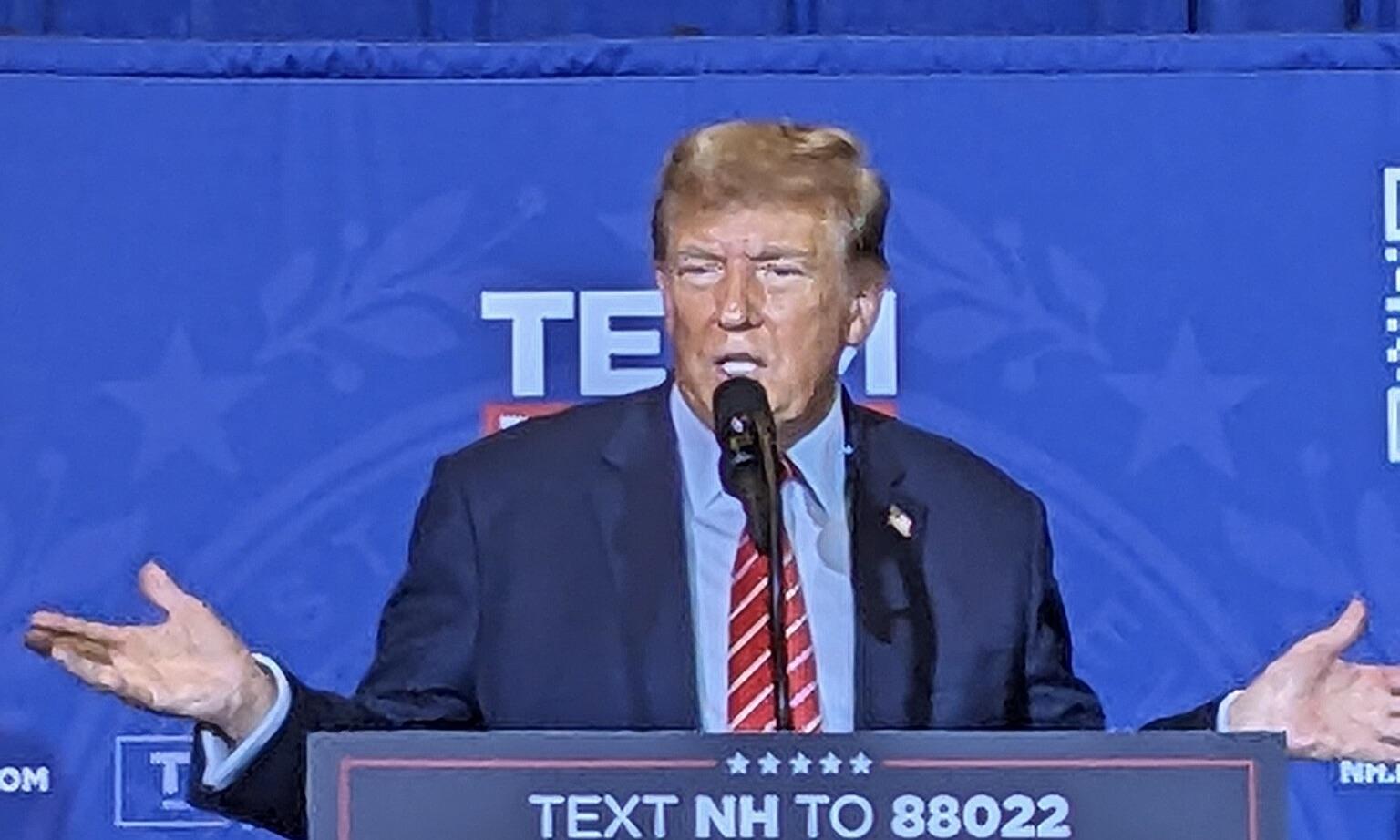
As part of this strategy, Trump himself is expected to make frequent visits to these battleground states, holding rallies and town hall meetings designed to galvanize his base and attract undecided voters. These appearances are intended to energize supporters and keep the campaign’s momentum going as election day approaches.
The campaign’s ground game push is not without challenges, however. The tight timeline leading up to November requires rapid mobilization and effective coordination among field teams. Moreover, the campaign must navigate the complexities of varying state election laws and voter registration deadlines, which add layers of logistical hurdles.
Despite these challenges, the Trump campaign is betting that its intensified ground operations will pay off in November. By focusing on personal engagement and direct voter contact, the campaign aims to secure victories in the battleground states that will ultimately decide the 2024 presidential race.
As the campaign enters the final stretch, all eyes will be on these key states, where the outcome remains uncertain and where the Trump campaign is making its most concerted efforts to ensure a path to victory.