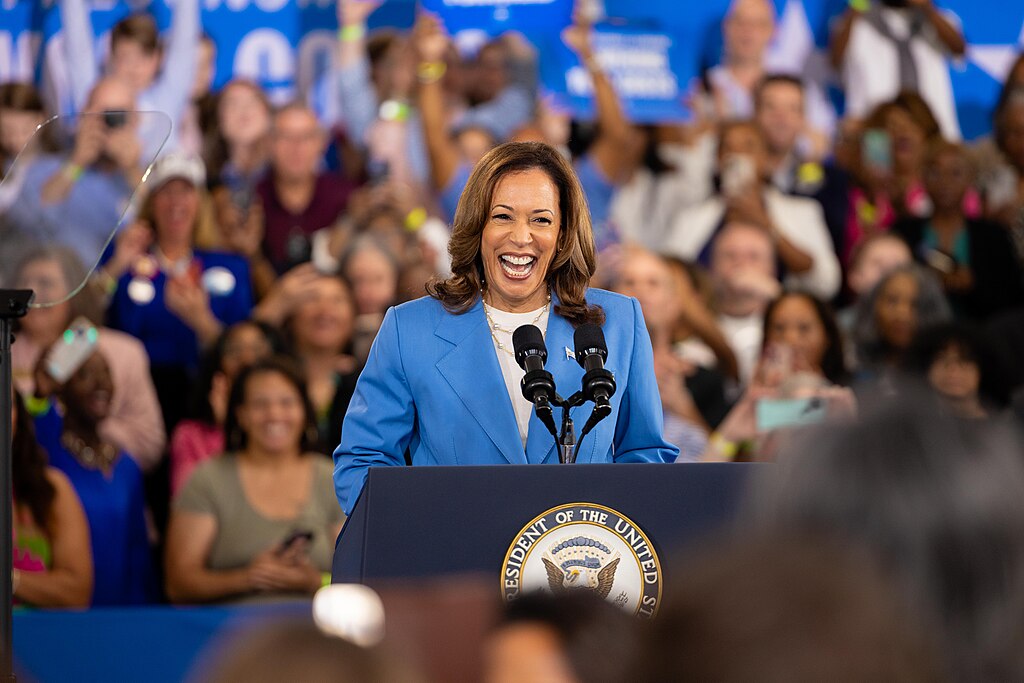
Vice President Kamala Harris’s proposed grocery price-control plan, which has sparked significant controversy, is reportedly facing quiet resistance from within her own party. According to sources cited by Politico, multiple Democratic lawmakers are privately signaling to their allies that the plan is unlikely to survive the legislative process in Congress.
Harris’s proposal, designed to address soaring grocery prices, has been positioned as a bold measure to combat inflation and ease the burden on American families. However, the plan has met with skepticism, not only from Republicans but also from key figures within the Democratic Party. Concerns about the economic feasibility and potential unintended consequences of price controls have raised alarm bells among lawmakers who fear the policy could do more harm than good.
According to reports, these lawmakers are discreetly communicating with their political allies, reassuring them that the proposal is expected to face significant opposition and will likely be stalled or killed in Congress. The quiet pushback underscores the challenges Harris faces in rallying support for her initiative, even within her own party.
The skepticism surrounding the plan centers on the traditional economic argument that price controls can lead to shortages and reduced supply. Critics within the Democratic Party worry that implementing such controls could disrupt market dynamics, leading to unintended negative consequences for both consumers and producers. There is also concern that the plan could be weaponized by Republicans as evidence of government overreach, potentially jeopardizing the party’s broader legislative agenda.
This internal dissent reflects a broader unease within the Democratic Party about Harris's approach to economic policy. While the vice president has positioned herself as a champion for working families, advocating for aggressive measures to curb inflation, the pushback from her colleagues suggests a divide over how best to achieve those goals. The controversy also highlights the delicate balancing act Harris must navigate as she seeks to build consensus on complex and potentially divisive issues.
As the proposal faces an uncertain future in Congress, it remains to be seen how Harris will respond to the growing opposition. The vice president may need to adjust her approach, seeking compromise with more moderate voices within her party to secure any legislative victories. Alternatively, she could double down on her proposal, using it as a rallying cry for her political base in the lead-up to the 2024 election.
The unfolding debate over Harris’s grocery price-control plan is likely to have significant implications for the Biden administration’s economic agenda. With inflation continuing to be a pressing concern for voters, the administration is under pressure to deliver tangible results. However, the internal discord over Harris’s proposal suggests that achieving consensus on how to tackle the issue may be more challenging than anticipated.
As the plan’s fate hangs in the balance, all eyes will be on how Harris and her allies navigate the complex legislative landscape. The outcome of this debate could have far-reaching consequences, not only for the vice president’s political standing but also for the broader direction of the Democratic Party as it seeks to address the economic challenges facing the nation.