


 US Condemns China Sanctions on Taiwan Allies Belize and Paraguay
  North Korea Fires Ballistic Missiles Amid Rising Tensions With South Korea
  Houthis Warn Saudi Airports After Deadly Riyadh Attack
  Zelenskiy Offers Russia Energy Truce Amid Trump Pressure
  Trump Denies Russia and China Are Helping Iran in U.S. Conflict
  Most Americans Oppose Election Betting on Prediction Markets, Poll Finds
  Pakistan Declares Emergency in Khyber Pakhtunkhwa, Suspends Imran Khan’s PTI Government
  Elon Musk Donates $366 Million to 2026 US Midterms
  Trump Announces Russia-Ukraine Energy Ceasefire as Zelenskiy Awaits Details
  Djibouti Migrant Boat Capsizes, Killing 139 and Leaving 84 Missing
  Brazil Election: Lula and Bolsonaro Rally Ahead of October 25 Runoff
  Trump Calls for Zelenskyy Replacement Amid Russian Diesel Deal
  Greenland Lawmakers Back Trump Security Deal Despite Economic Concerns
  UK Finance Minister Healey Calls for Fiscal Discipline Amid Global Risks
  Trump Plans White House Shake-Up of Key AI Safety Agency
  India Voter List Protests Reach Supreme Court as Opposition Demands Election Chief's Resignation


 Add as a preferred source on Google
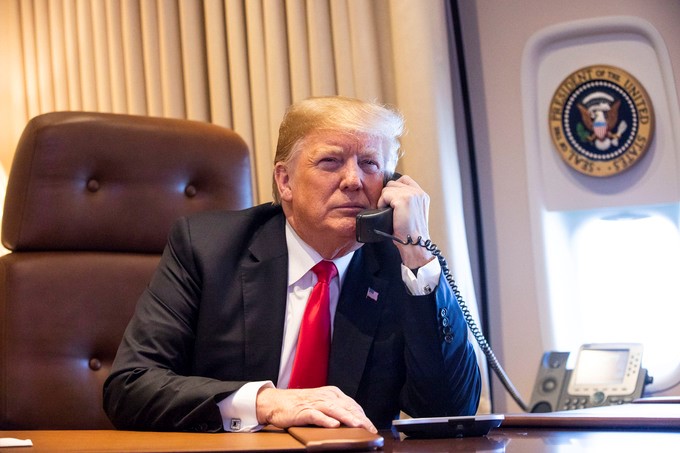
Donald Trump’s relationship with Russia is once again in the spotlight as former FBI Deputy Director Andrew McCabe suggests that the ex-president could be seen as a Russian "asset," sparking renewed concerns about Trump’s connections with Moscow. McCabe, who was fired by Trump in 2018 during the FBI’s investigation into Russian interference in the 2016 election, raised these concerns during a podcast appearance, where he highlighted Trump’s unusual deference to Russian President Vladimir Putin and his questionable stance on key geopolitical issues.
McCabe’s remarks have reignited a long-standing debate about Trump’s ties to Russia, which have been scrutinized since his first run for the White House. While McCabe stopped short of labeling Trump as an “active” or “recruited” Russian asset, he pointed to multiple instances where the former president’s behavior raised red flags. These moments include Trump’s friendly interactions with Putin, his repeated praise of the Russian leader, and his controversial approach to U.S. relations with NATO and Ukraine, especially in the face of Russian aggression.
The concerns McCabe outlined are not new but are gaining renewed traction as Trump campaigns for another term in the 2024 presidential election. His critics, including McCabe, argue that his unorthodox approach to U.S. foreign policy and his coziness with authoritarian figures like Putin raise significant questions about his motives and potential vulnerabilities.
McCabe emphasized that Trump’s actions, particularly his admiration for Putin, stand in stark contrast to the behavior of past American presidents—both Republicans and Democrats—who have traditionally taken a hardline stance against Russian aggression. The former FBI official suggested that Trump’s attitude toward Russia could be explained by a fundamental misunderstanding of geopolitical dynamics, but he also left open the possibility of a deeper, more concerning relationship between Trump and Moscow.
McCabe’s concerns come against the backdrop of a broader conversation about Russia’s ongoing efforts to disrupt American democracy. The former FBI official highlighted Russia’s long-standing interest in sowing division and chaos in the U.S. political system, suggesting that Trump’s actions may have inadvertently—or perhaps knowingly—aligned with those goals. Russia’s interference in U.S. elections has been well-documented, particularly during the 2016 campaign, and McCabe warned that their desire to meddle in American politics remains a pressing concern.
The former FBI deputy’s remarks are part of a larger conversation about the potential dangers of a second Trump presidency. McCabe expressed serious reservations about what a return to the White House could mean for U.S. national security, especially given Trump’s past handling of sensitive intelligence and his approach to key foreign adversaries.
McCabe himself was embroiled in controversy during Trump’s first term, having been fired by the former president just days before his planned retirement. Trump had repeatedly attacked McCabe over his role in the FBI’s Russia investigation, which led to the dismissal of key members of Trump’s inner circle. McCabe later sued the Department of Justice and had his full pension restored after settling the lawsuit.
As Trump pushes forward with his 2024 campaign, the concerns raised by McCabe—and others—are likely to fuel ongoing scrutiny over the former president’s relationship with foreign powers and his fitness for office. Whether these concerns will resonate with voters remains to be seen, but McCabe’s warnings underscore the potential risks posed by Trump’s past and future dealings with Russia.







