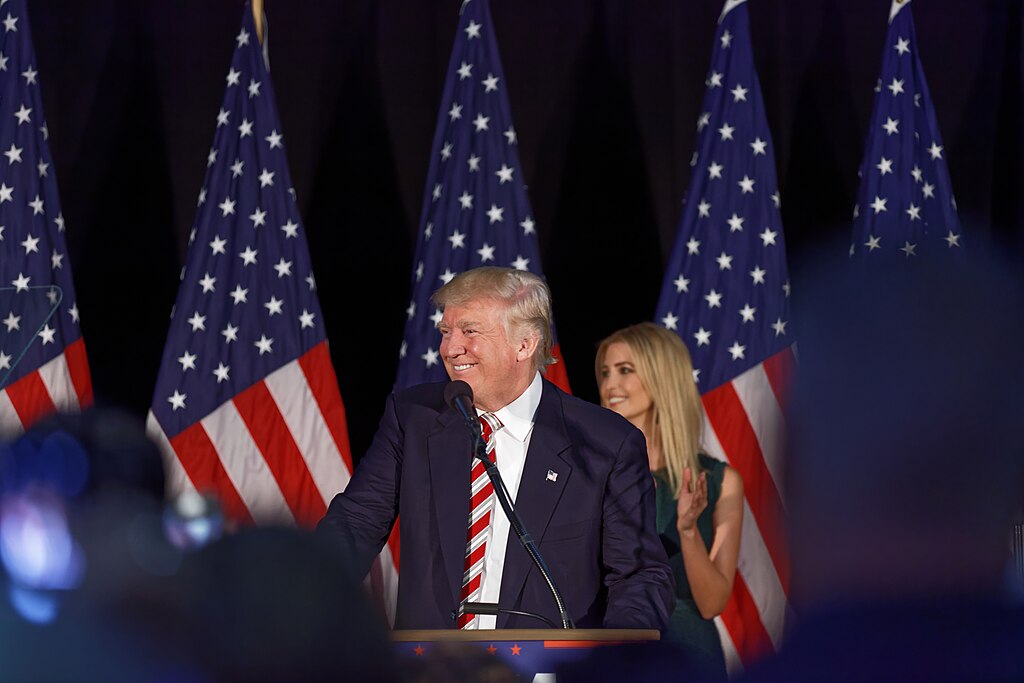
Donald Trump is under fire for what critics describe as a "disturbing" pattern in his campaign strategy, with the former president repeatedly holding rallies in locations notorious for their racist pasts. The choice of venues has sparked widespread concern, with many observers accusing Trump of intentionally selecting "sundown towns"—communities historically known for excluding nonwhite residents after sunset.
The controversy gained traction after a video on TikTok highlighted the troubling trend, pointing out that several of Trump's recent rallies have been held in these racially charged areas, including Howell, Michigan. The term "sundown town" refers to places that, during the early and mid-20th century, enforced laws or practices that effectively kept African Americans and other nonwhite individuals out of town after dark. These towns are infamous symbols of racial segregation and discrimination in the United States.
Singer Bill Madden brought the issue to a broader audience by sharing the TikTok video on social media, emphasizing the unsettling nature of Trump's venue choices. His post drew attention from various public figures, including journalist Jim Stewartson, who agreed that Trump’s campaign appeared to be deliberately targeting these racially exclusive towns as rally sites.
“This pattern cannot be dismissed as mere coincidence,” remarked opinion columnist Will Bunch. He highlighted the significance of Trump’s rally locations, noting that the decision to visit sundown towns seems too intentional to ignore.
Former federal prosecutor Joyce Vance also weighed in on the issue, sharing her observations on social media. Vance recounted how she first became aware of Trump’s rally locations when he chose Cullman, Alabama—her mother-in-law’s hometown and a known sundown town—as a stop during his 2021 campaign. Vance questioned the reasoning behind Trump’s choice of such locations, suggesting that the decision was not accidental but rather a calculated move to appeal to a specific segment of his base.
The implications of Trump’s rally locations have ignited a broader debate about the messages being conveyed through his campaign tactics. Critics argue that by holding events in places with a history of racial exclusion, Trump is sending a subtle but clear dog whistle to his supporters, signaling alignment with racially divisive ideologies.
The backlash against Trump’s choice of venues underscores the ongoing tensions surrounding race in America, particularly in the context of political campaigns. As Trump continues his bid for the presidency, his actions and the symbolism of his campaign stops are likely to remain under intense scrutiny.