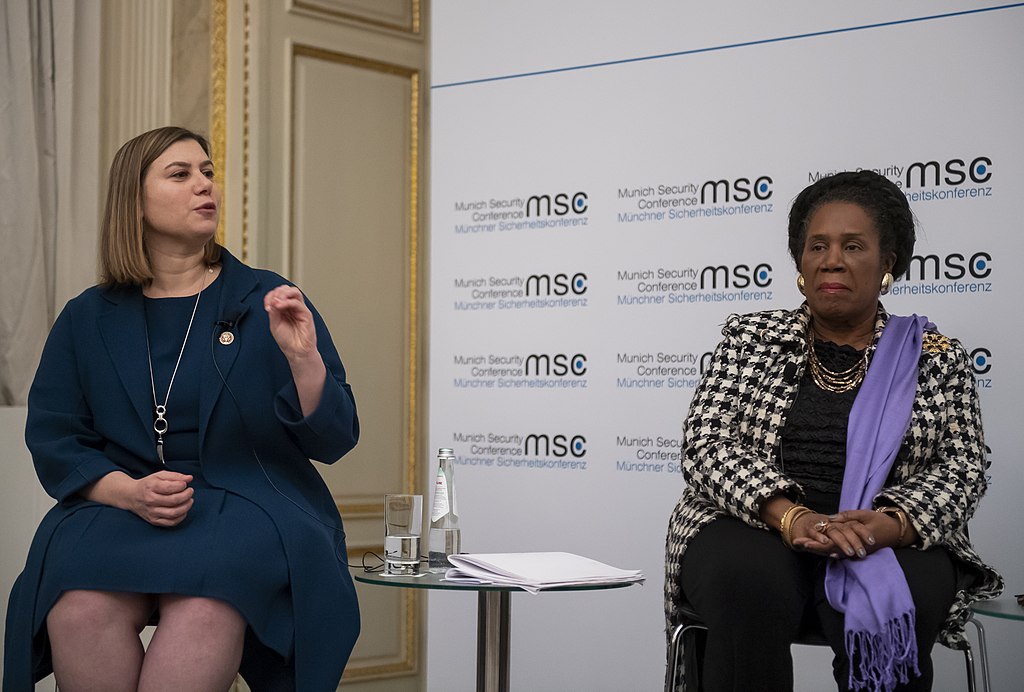
Democrats have tapped U.S. Senator Elissa Slotkin, a former CIA analyst and swing-state moderate, to deliver their response to President Donald Trump’s upcoming congressional address. Slotkin, who flipped a Republican-held House seat in 2018 and won a Senate race in Michigan despite Trump carrying the state, is expected to emphasize working-class issues like lowering costs for American families.
Her speech comes as Democrats seek to reconnect with voters by prioritizing kitchen-table concerns, including reducing food, housing, and pharmaceutical prices while defending social programs. Party leaders acknowledge the need for government efficiency but criticize Trump and Elon Musk’s aggressive federal job cuts, arguing for a more measured approach.
A recent Reuters/Ipsos poll highlights Democrats’ challenges, with voters favoring Republicans on key issues: 39% to 27% on the economy, 43% to 25% on immigration, and 38% to 23% on crime. However, Democrats hold a strong advantage on women’s rights (43% to 24%) and environmental policies (40% to 23%).
Since losing the White House and Senate, Democrats have struggled to refine their messaging ahead of the 2026 midterms. With Republicans holding a slim 218-215 House majority and a 53-47 Senate edge, Democrats are testing a strategy centered on Musk’s federal downsizing and Republican budget proposals that could impact Medicaid.
Republicans argue their plans aim to cut wasteful spending while preventing a tax hike by renewing Trump’s 2017 tax cuts. Meanwhile, Democrats contend that GOP policies favor billionaires at the expense of working Americans.
Democratic leaders, including Hakeem Jeffries and Chris Murphy, are debating whether to take a calculated or aggressive stance against Trump’s administration, as voter frustration grows over federal job cuts and potential healthcare reductions.