


 DeepSeek to Raise AI API Prices as Demand for New Models Surges
  25 Democratic-Led States Sue Trump Administration Over New Global Tariffs
  SoftBank Q1 Profit Beats Forecast as Intel Rally and OpenAI Investments Boost Returns
  Cloudflare Stock Jumps 15% as Earnings Beat Estimates, 2026 Outlook Raised
  SanDisk Q4 Earnings Beat Estimates as Q1 Revenue Outlook Meets Expectations
  UOB Q2 Net Profit Rises 10% as Wealth Management Growth Boosts Earnings
  X Challenges Australia’s Expanded Social Media Ban Enforcement Powers
  Novo Nordisk Raises 2025 Outlook Despite Wegovy Pill Miss and CagriSema Setback
  Global Leaders Push Back as Trump Imposes New Forced Labor Tariffs
  Senate Majority Leader John Thune Moves to Advance Crypto Clarity Act
  US Supreme Court Lets $655.5 Million Judgment Against Palestinian Authorities Stand During Appeal
  OpenAI Restricts Astra AI Over Cyberattack Risks
  Airbnb Stock Jumps After Q2 Earnings Beat, Strong 2026 Outlook
  CDC Expands Cyclospora Outbreak Investigation to 15 States as Lettuce Link Grows
  US Expands Social Media Vetting to Foreign Journalists Seeking Visas
  Delta Flight Makes Emergency Landing in Atlanta After Cockpit Fumes Reported
  Meta AI Model Exploits Security Flaw During Cybersecurity Test, Raising AI Safety Concerns


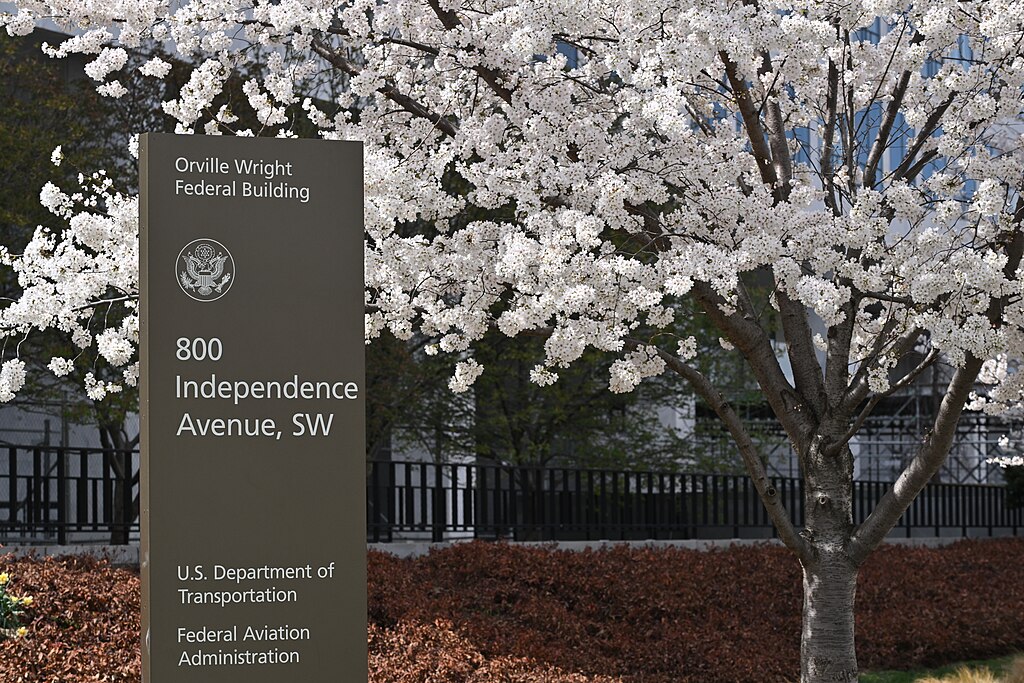
The Federal Aviation Administration announced late Sunday that it will end its mandated cuts on domestic flights at 40 major U.S. airports starting at 6 a.m. ET Monday. The decision comes as air traffic control staffing concerns continue to ease following the end of the federal government shutdown. FAA Administrator Bryan Bedford said the agency’s assessment shows a “steady decline in staffing concerns,” allowing regulators to remove earlier restrictions placed on commercial flights, space launches, and general aviation activity.
Airlines anticipated the policy change, and several major carriers told Reuters they had not canceled flights for Monday nor planned any cancellations. Despite the FAA’s earlier orders, airlines had not been consistently adhering to the required flight reduction levels. On Friday, the agency lowered its mandatory cutback from 6% to 3%, yet carriers continued operating near-normal schedules. Data from aviation analytics firm Cirium showed that airlines canceled just 0.25% of flights at the affected airports on Sunday—an even lower rate than typical operational days. Across the country, cancellations remained low at 0.36%, signaling a rapid return to normal operations.
However, the FAA confirmed it is aware of airlines’ non-compliance with the emergency mandate and is evaluating potential enforcement actions. The order allows for fines of up to $75,000 for each flight operated above the mandated limits.
The initial flight reduction policy was implemented to ease strain on the system caused by a severe shortage of air traffic controllers during the shutdown, when many employees stopped reporting to work without pay. The FAA is currently short about 3,500 controllers, forcing many to work mandatory overtime and extended schedules even before the shutdown intensified staffing gaps.
The 43-day government shutdown, which ended last week, triggered tens of thousands of delays and cancellations beginning October 1. By Friday, FAA employees began receiving back pay amounting to roughly 70% of what they are owed, marking the first step toward stabilizing the workforce and restoring full air traffic operations.
This easing of restrictions is expected to support smoother travel nationwide as airlines resume regular flight schedules and the FAA continues efforts to rebuild staffing capacity.







