


 FAA Allows Boeing to Sell 35 More 777F Freighters Beyond 2028
  Appeals Court Rejects Trump Third-Country Deportation Policy
  Trump Bans CNN, MS NOW and Politico From White House
  Mexico Pushes for US Trade Deal Before Midterms
  SEC Seeks ISS Client Voting Records in Proxy Adviser Probe
  FDA Weighs Safety Standards for Psychedelic Therapies
  Trump Grants Clemency to Jay-Z Associate Emory Jones
  US Officials Meet Houthis in Oman Amid Yemen Offensive
  FBI, Coast Guard Board Ships After Cyberattacks
  Synthetic data could ease people’s concerns about privacy breaches. But who gets to create it?
  North Korea Vows to Expand Nuclear Arsenal Amid U.S.-Led Military Buildup
  US Allies Fear Trump Could Soften Taiwan Stance in Xi Talks
  DOJ Will Investigate AI-Related Crimes, Attorney General Blanche Says
  Australia Tightens Student Visa Rules, Targets Migration Cut by 2028
  ICE Agent Arrested in Minneapolis Over Venezuelan Man Shooting
  Who should own the knowledge that underpins AI technology?


 Add as a preferred source on Google
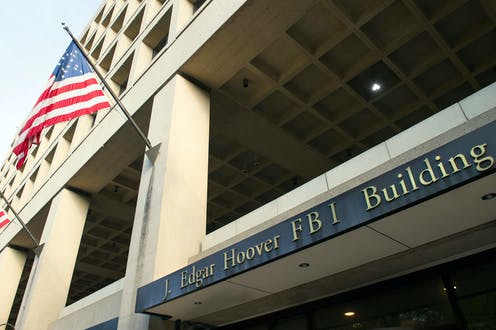
In a major policy shift, FBI agents have been ordered to dedicate roughly one-third of their time to immigration enforcement, scaling back their traditional focus on white-collar crime. According to sources familiar with the matter, this directive aligns with President Donald Trump’s intensified immigration crackdown and reflects broader changes in Justice Department priorities under Attorney General Pam Bondi.
The FBI's new enforcement direction was delivered in internal meetings on Monday, the same day Matthew Galeotti, head of the DOJ’s Criminal Division, released new prosecutorial guidelines. These instructions limit the scope and impact of white-collar investigations and urge prosecutors to assess whether federal criminal charges are truly necessary for corporate misconduct. In many cases, civil or administrative actions may suffice.
Historically, white-collar crime—including public corruption, foreign bribery, and kleptocracy—was a high priority. However, the DOJ now plans to focus more narrowly on specific cases like health care fraud, customs violations, elder securities fraud, complex money laundering (including Chinese Money Laundering Organizations), and financial enablers of terrorism and organized crime.
Galeotti also announced updates to the DOJ’s whistleblower award pilot program, designed to encourage tips that lead to asset forfeitures tied to immigration violations, sanctions breaches, and terrorism support.
The memo signals a strategic move to reduce the use of corporate monitors unless absolutely necessary, favoring internal compliance programs over external oversight.
While it's unclear how many FBI field offices will be affected, the changes reflect a broader reallocation of federal law enforcement resources away from financial crime and toward immigration-related priorities. Critics warn this shift could weaken corporate accountability, while supporters argue it enhances national security and enforcement efficiency.







