


 TikTok, DOJ Reach $400 Million Children’s Privacy Settlement
  Nvidia-Groq AI Chip Deal Faces U.S. Antitrust Probe
  Ukraine Tests New Anti-Drone Weapon After Successful Shahed Intercept
  Guterres Urges Stronger Global AI Safeguards Ahead of UN Assembly
  US Immigration Arrests Surge as Deportations Lag Behind
  Maduro Seeks Dismissal of US Drug Trafficking Charges
  DOJ Will Investigate AI-Related Crimes, Attorney General Blanche Says
  Who should own the knowledge that underpins AI technology?
  Rodrigo Duterte Makes First Public Appearance at ICC in 18 Months
  Ukraine Races to Counter Russia’s Faster Jet-Powered Drones
  China’s Global Times Slams Anthropic CEO’s AI Slowdown Plan as ‘Cold War’ Strategy
  Prince Harry Faces Potential Multi-Million-Pound Legal Bill in Daily Mail Case
  California Seeks Paramount Divestitures in Warner Bros. Merger
  US Judge Dismisses Imran Ahmed Deportation Lawsuit
  Global Poll Shows Rising Trust in Institutions as US-China Leadership Support Falls
  Amazon Shares Fall as FTC Plans Ad Pricing Lawsuit
  CK Hutchison Seeks $1.5 Billion From Panama Over Canal Ports


 Add as a preferred source on Google
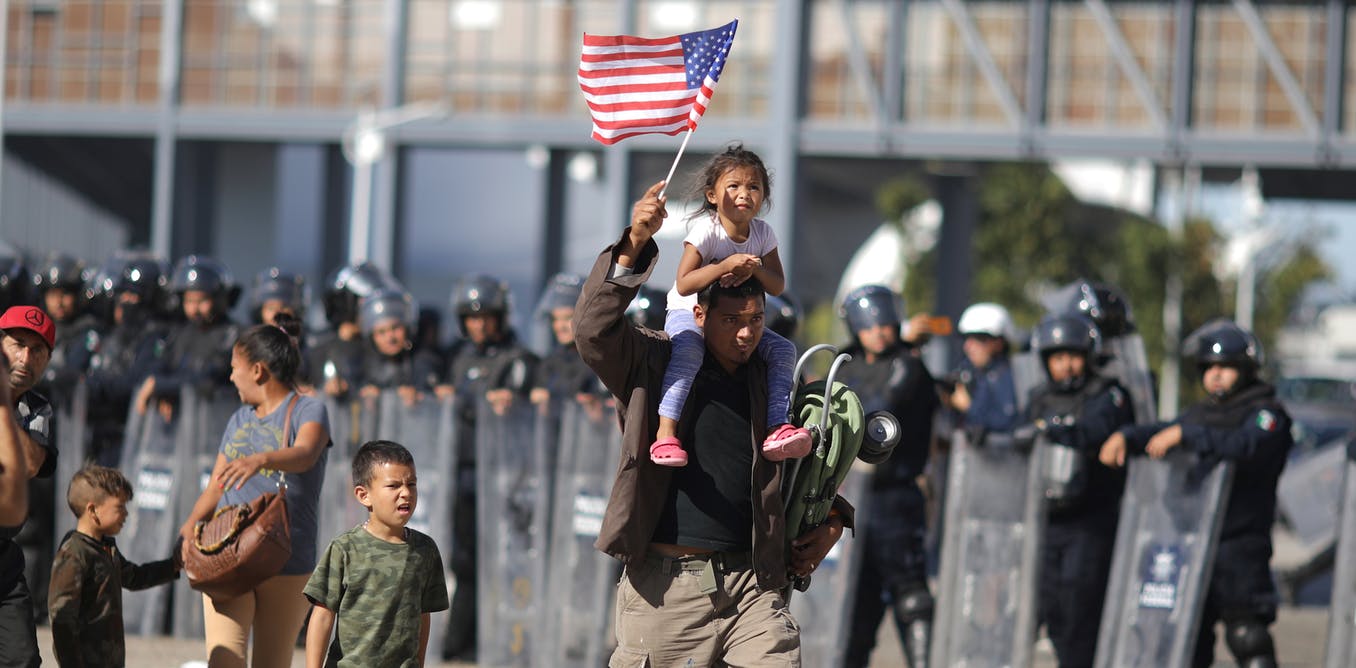
A federal appeals court has blocked Texas from enforcing SB4, a Republican-backed law allowing state authorities to arrest and prosecute individuals suspected of illegally crossing the U.S.-Mexico border. The 2-1 decision by the 5th U.S. Circuit Court of Appeals upheld a previous injunction, affirming that immigration enforcement remains the exclusive domain of the federal government.
SB4, signed into law by Texas Governor Greg Abbott in December 2023, sought to criminalize unauthorized entry or re-entry into Texas and grant state judges the authority to order deportations, with penalties of up to 20 years for noncompliance. However, the Biden administration and immigrant advocacy groups, including Las Americas Immigrant Advocacy Center, argued the law conflicted with federal immigration authority.
Judge Priscilla Richman, a George W. Bush appointee, authored the majority opinion, referencing a 2012 Supreme Court decision that struck down parts of a similar Arizona law. She concluded that SB4 would undermine federal immigration policies and enforcement. Judge Irma Carrillo Ramirez, appointed by President Biden, joined the ruling.
In dissent, Judge Andrew Oldham, a Trump appointee, criticized the decision as a blow to voters concerned about illegal immigration, citing former President Trump’s push for greater state involvement in border security.
Texas Attorney General Ken Paxton vowed to appeal, stating, “I will always fight to stop illegal immigration.”
The Supreme Court briefly allowed SB4 to take effect earlier this year, but enforcement was quickly halted by the 5th Circuit.
Legal experts and advocacy groups welcomed the ruling. Cody Wofsy of the ACLU said state-led immigration laws like SB4 “are deeply harmful” and have consistently been struck down by courts.
The case highlights ongoing tensions over state versus federal authority on immigration amid rising border concerns.







