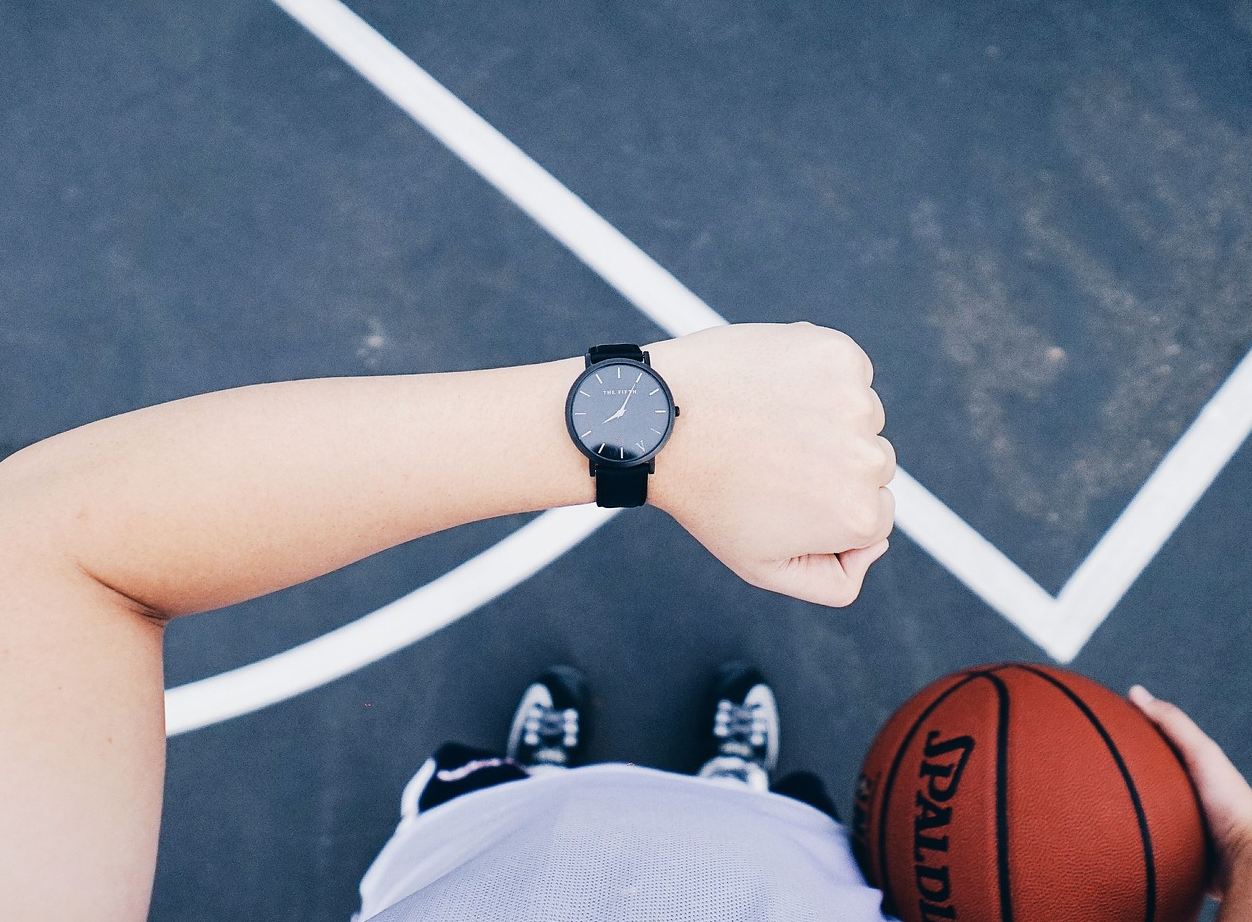
Most modern fitness trackers are electronic devices you wear on your wrist to track steps, overall physical activity, sedentary behaviour and sleep. They typically work with a smartphone app or website that allow you to track your progress over time using graphs and figures. Advanced fitness trackers can also record heart rate and GPS related outcomes, like your route, speed and distance.
People can be active without using fitness trackers, but their self-monitoring features help you set realistic goals and track your progress. Self-monitoring is an effective behaviour change technique.
So let’s have a look at the evidence about these trackers.
1. Fitness trackers work in the short term
Basic pedometers (mechanical step counters) have been around for a long time and when people use them their activity levels increase. Today’s fitness trackers are essentially fancy pedometers. So, there’s little reason to believe their added features and functionality makes them less effective.
Of the few rigorous randomised controlled trials of advanced fitness trackers, most found positive short-term outcomes. For example, a study comparing people using pedometers to those using Fitbits found Fitbit users were 62 minutes more physically active a week. Other studies also found people using fitness trackers took significantly more steps compared with those in a control group, but only measured outcomes over a short period.
2. For long-term outcomes fitness trackers work best with other strategies
Too few studies have looked at how people use fitness trackers beyond three months to say if they work in the long term. Numerous reports suggest many people soon stop using them. Reasons include the need to repeatedly recharge and sync the device with an app or website.
More importantly, fitness trackers need to be part of an overall behaviour change strategy to promote a lifelong fitness habit. But this mostly doesn’t happen.
For example, one workplace study showed physical activity increased after 12 months when fitness trackers were combined with organisational support in the first three months. Support included educational information, goal setting, social support and team challenges.
A high-profile study showed that when people were financially rewarded for using fitness trackers, this didn’t improve their health in the long term. However, such external rewards are not a strong behaviour change strategy, as they don’t increase the motivation needed to keep going after the incentives are removed.
So behavioural support is needed with fitness trackers to form healthy lifelong activity habits.
3. Basic fitness tracker functions are accurate
Several reviews indicate most fitness trackers provide valid and reliable measures of physical activity, for instance counting steps and activity minutes. Most users consider step counting as the most important function of fitness trackers.
But these reviews also indicate energy expenditure, calorie counts and sleep measures are less accurate. This isn’t necessarily a problem for recreational users as the measurement error tends to be consistent. This means you still can accurately assess whether you are making progress as the device always over- or under-estimates the same way.
4. Fitness trackers affect your mood
Some people report feeling guilty or naked when not wearing their fitness tracker; others suggest it may damage their relationship with their doctor.
But there are many studies demonstrating the strong positive effects of regular physical activity on mental health, including improved mood, quality of life, stress, anxiety and depression. While there is no direct evidence, it is likely the positive mental health effects of being active outweigh the potential negative mental health effects of wearing fitness trackers.
5. Fitness trackers are here to stay, despite media reports
A recent article highlighted the financial troubles for market leader Fitbit and others such as Jawbone. Sales are slowing and profits are down. This has many believing fitness trackers are a temporary fad.
We don’t think this will happen; the global wearables market is forecast to grow to more than US$34 billion a year by 2019. More importantly, fitness trackers are still evolving rapidly, with different brands developing new models boasting improved features and performance. It is difficult to stay on top as market leader in a dynamic and quickly changing environment.
Health professionals are also willing to use fitness trackers for specific patient groups, like people recovering from breast cancer or having haemodialysis. This demonstrates the potential for trackers to be integrated into the health care system.
 Corneel Vandelanotte receives funding from Queensland Health (for maintaining the 10,000 Steps Australia program), the National Health and Medical Research Council (project funding) and the National Heart Foundation of Australia (salary support). He does not receive any funding or support from fitness tracker manufacturers or suppliers.
Stephanie Alley does not work for, consult, own shares in or receive funding from any company or organisation that would benefit from this article, and has disclosed no relevant affiliations beyond the academic appointment above.
This article was originally published on The Conversation. Read the original article.