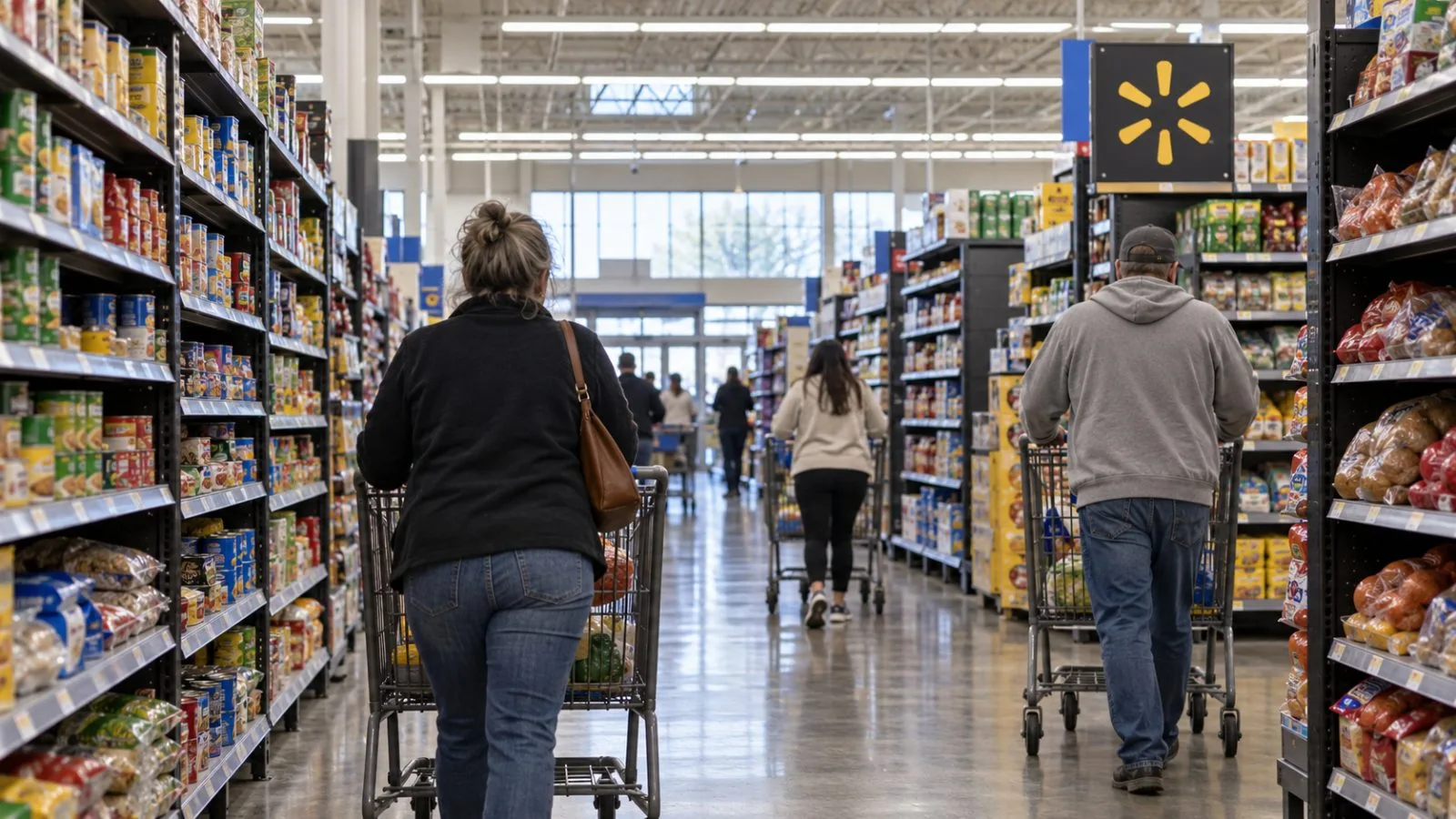
Amidst enduring economic challenges, American households, particularly those earning around $35,000 or less annually, are significantly cutting down their expenses on food and essentials. This arduous reality has propelled significant food corporations like Kraft-Heinz and Conagra Brands to revisit their product lineups and marketing strategies after years of progressive price increases.
Reuters reported a noticeable trend of decreased volume in sales for some of the leading packaged food and beverage manufacturers emerging due to these spending cuts. Low-income Americans opt more for home-cooked meals, utilizing leftovers efficiently or purchasing less.
Approximately one-third of Black American households and 21% of white American households are primarily impacted, aligning with the census data from 2022. Notably, Dollar Tree and Circle K convenience stores report marked declines in purchases made with SNAP (Supplemental Nutrition Assistance Program) benefits, indicating a wider scale impact.
Industry Response
XM noted that to adapt to these changing consumer behaviors, Conagra plans to release more budget-friendly products, like the new Banquet chicken patties priced at $6.99 for six. This move attempts to cater to consumers forgoing fast-food options due to financial constraints.
Similarly, companies like Hershey and PepsiCo are modifying their product sizes and launching campaigns to appeal to the value-driven consumer. Coca-Cola, Nissin Foods, and several others are enhancing promotional efforts, emphasizing discounts and bundled offers to entice shoppers to focus on value.
Shift in Product Popularity
Consumer preferences are also evolving, with a noticeable pivot towards products offering greater satiety. Proteins and corn-based snacks have seen an uptick in demand, reflecting consumers' inclination towards more filling and cost-effective food options amidst financial stress. Brands like Conagra report soaring sales in canned meats and corn-based snacks, aligning with the need for affordable, sustenance-rich foods.
This recalibration in consumer spending and the food industry's strategic pivot towards value and discounts marks a significant departure from the premium product focus during and post-pandemic. As companies strive to regain the loyalty of the value-conscious consumer, the emphasis on affordability, coupled with the economic strain faced by low-income households, continues to reshape the marketplace.
Photo: Jeanson Wong/Unsplash