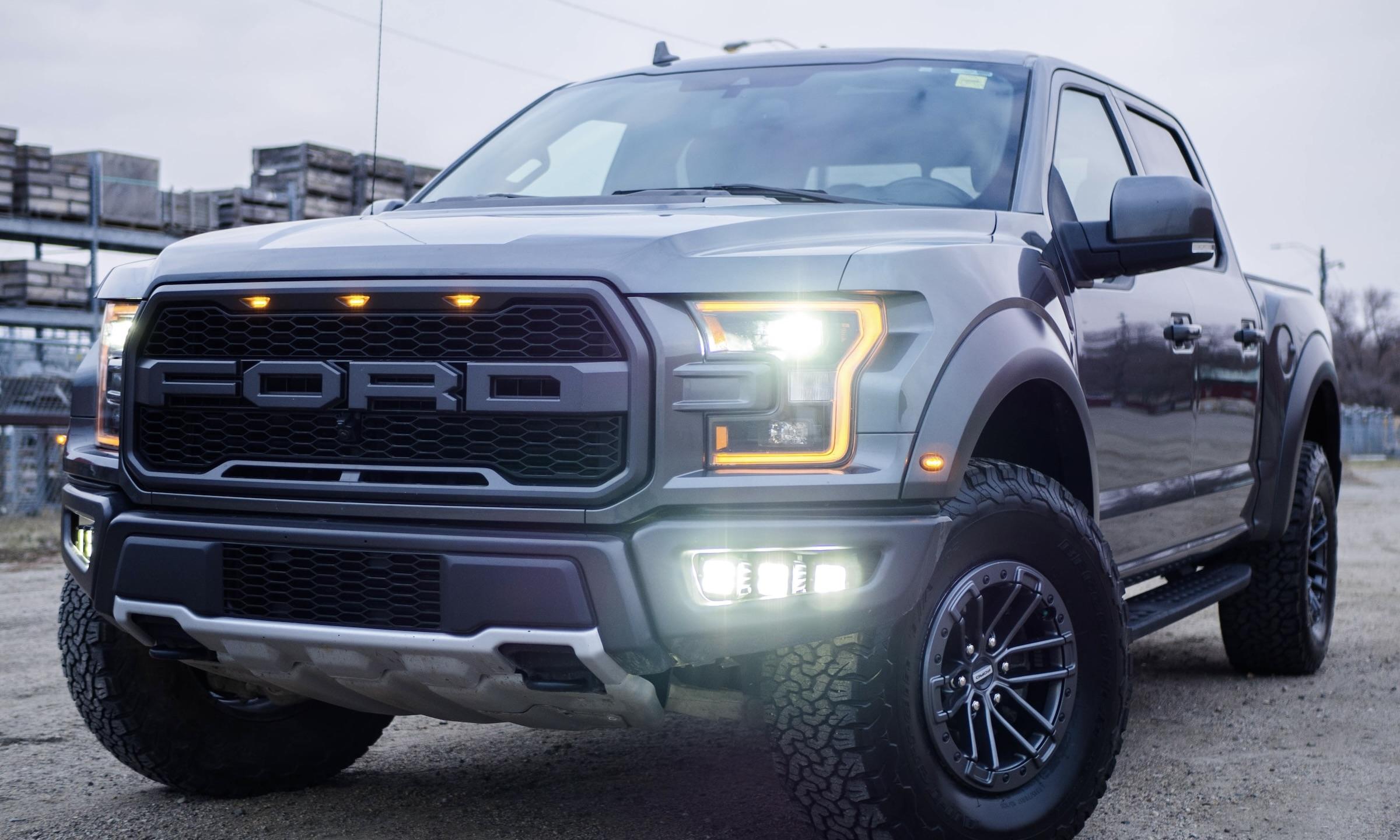
Ford Motor Co. announced a management reshuffle on Wednesday, promoting Kumar Galhotra, the chief of the combustion vehicle unit, to chief operating officer. This announcement comes as the ongoing autoworkers strike shows little signs of ending.
Galhotra to Lead Ford's Global Industrial System
According to MSN, Galhotra, who previously oversaw the Ford Blue unit responsible for gas and hybrid vehicles, will now take charge of the automaker's global industrial system. This strategic move aims to drive clarity and simplicity across Ford, elevating its capabilities and aligning them with the specific needs of various customer segments.
Meanwhile, Andrew Frick, the former manager of Ford Blue's sales and distribution functions, trucks, SUVs, enthusiast vehicles, and operations in Mexico and Canada, will replace Galhotra at the unit. Frick's experience and expertise in these areas position him well to take on this new role.
Challenges Amid Ongoing UAW Strikes
The United Auto Workers (UAW) union strike continues to impact automakers, causing significant economic losses. According to a report by the Anderson Economic Group, the ongoing UAW strikes have resulted in total economic losses of $7.7 billion as of Oct. 12.
Ford, set to release its third-quarter earnings report on Oct. 26, faces several key questions. One major concern is the impact of UAW negotiations on labor costs in the United States. Additionally, Ford must address how it plans to reduce losses in its electric vehicle business amidst a slowdown in demand attributable to high interest rates.
Ford Raises Concerns Over Proposed Fuel Economy Standards
In another development, Ford voiced its apprehensions about a proposal by President Joe Biden's administration to increase vehicle fuel economy standards through 2032, reports Reuters. The No. 2 U.S. automaker believes this proposal could result in "substantial economic hardship."
Ford's comments follow the auto industry's criticism of the National Highway Traffic Safety Administration's (NHTSA) proposal to raise vehicle fuel efficiency requirements. The NHTSA's proposal aims to improve fuel efficiency by 2% per year for passenger cars and 4% per year for pickup trucks and SUVs from 2027 to 2032. The agency's goal is to reduce greenhouse gas emissions and fuel consumption.
If implemented, the proposal would result in a fleet-wide average fuel efficiency of 58 miles per gallon (93 km). Ford and other industry players argue that these requirements would lead to significant economic challenges. The NHTSA is expected to decide on the proposal early next year.