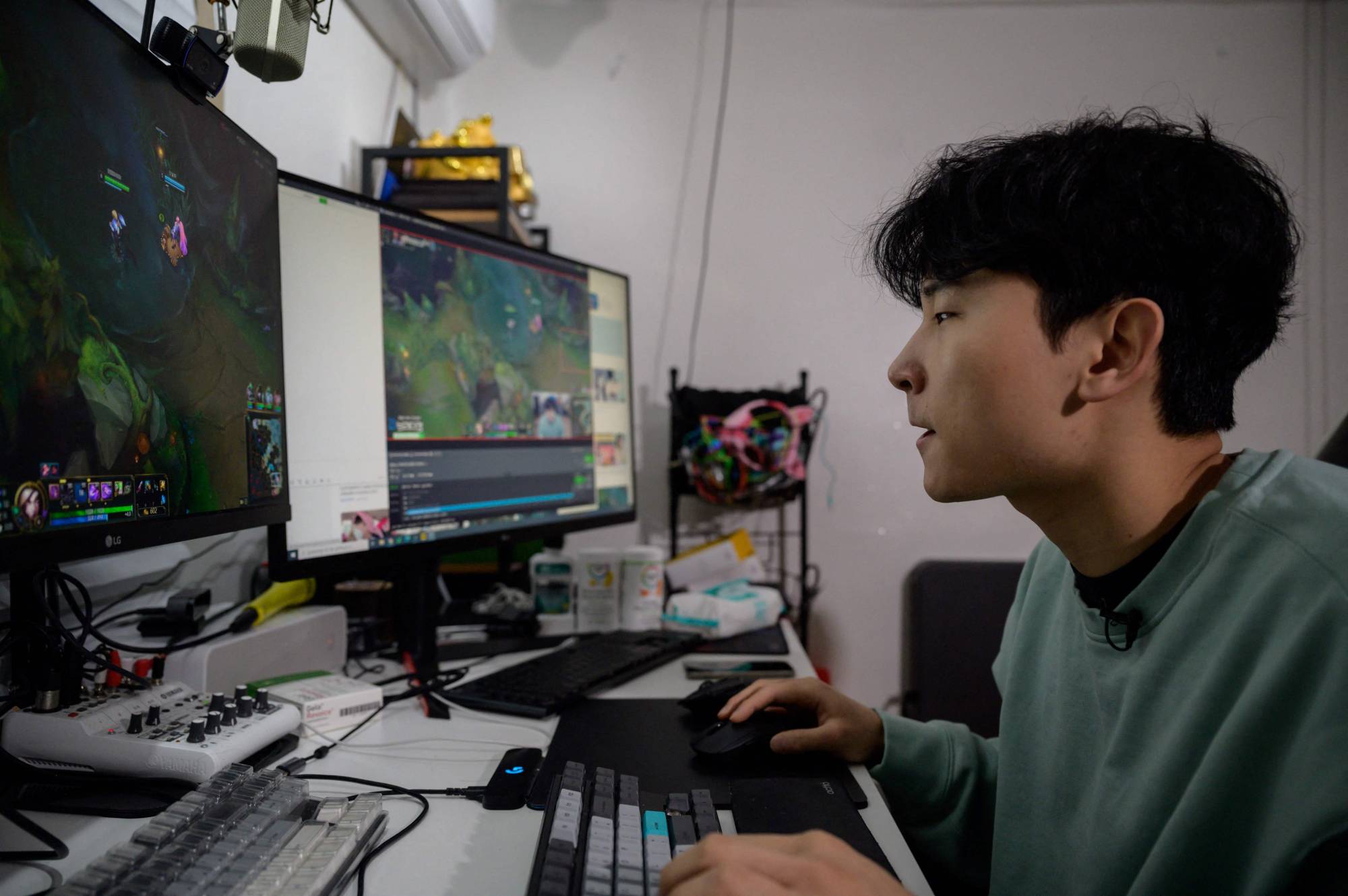
Shinhan Card Co.'s transaction data for the first quarter revealed that PC or mobile game users paid 20,000 won more to telecom companies than non-PC or mobile gamers and 48 percent more gamers used food delivery than those who said they didn’t play PC or mobile games.
.
PC or mobile game users spent an average of 104,000 won for each payment to telecom companies, while console gamers spent 77,000 won, less than online gamers.
Among PC or mobile gamers, 69 percent used food delivery apps, while 62 percent of console game players did.
Only 21 percent of non-gamers ordered food online, which indicates that all gamers tended to order food more often than others..
Shinhan Card explained that before the pandemic, gamers meet at internet cafes, which offer the latest hardware.
But gamers are now prompted to play from home and meet their friends online.
Asian Markets Slip as AI Spending Fears Shake Tech, Wall Street Futures Rebound
How to support someone who is grieving: five research-backed strategies
Japanese Pharmaceutical Stocks Slide as TrumpRx.gov Launch Sparks Market Concerns
Trump Administration Sued Over Suspension of Critical Hudson River Tunnel Funding
Sony Q3 Profit Jumps on Gaming and Image Sensors, Full-Year Outlook Raised
The ghost of Robodebt – Federal Court rules billions of dollars in welfare debts must be recalculated
Missouri Judge Dismisses Lawsuit Challenging Starbucks’ Diversity and Inclusion Policies
RBI Holds Repo Rate at 5.25% as India’s Growth Outlook Strengthens After U.S. Trade Deal
OpenAI Expands Enterprise AI Strategy With Major Hiring Push Ahead of New Business Offering
Qantas to Sell Jetstar Japan Stake as It Refocuses on Core Australian Operations
Anthropic Eyes $350 Billion Valuation as AI Funding and Share Sale Accelerate
Disaster or digital spectacle? The dangers of using floods to create social media content
Boeing Signals Progress on Delayed 777X Program With Planned April First Flight
TrumpRx Website Launches to Offer Discounted Prescription Drugs for Cash-Paying Americans
Uber Ordered to Pay $8.5 Million in Bellwether Sexual Assault Lawsuit
Debate over H-1B visas shines spotlight on US tech worker shortages 


