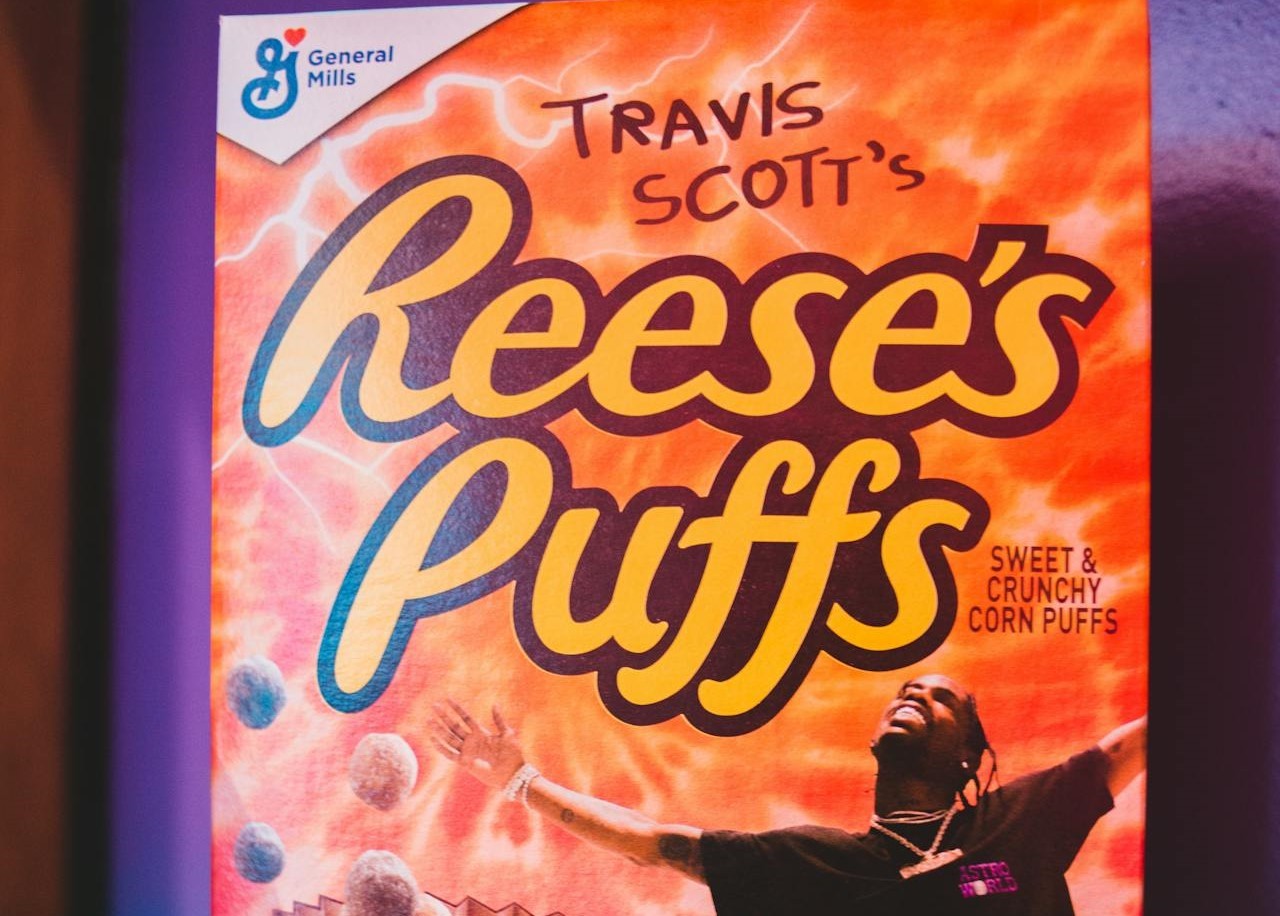
General Mills announced Tuesday it will eliminate artificial colors from its entire U.S. retail product lineup by the end of 2027. The food giant, known for brands like Cheerios, also confirmed it will remove synthetic dyes from all cereals and foods served in K-12 schools by summer 2026.
Currently, 85% of General Mills’ U.S. retail products already exclude artificial colors, and nearly all items in its K-12 school offerings are made without certified colors. The new initiative will affect only a small portion of its school food portfolio, reflecting a continued shift toward cleaner labels and health-conscious ingredients.
This decision aligns with growing consumer demand for natural ingredients and follows broader efforts to address chronic health concerns linked to synthetic additives. The move also comes months after U.S. Health Secretary Robert F. Kennedy Jr. proposed removing synthetic food dyes from the American food supply to combat rising rates of obesity and other diet-related conditions.
On the same day, Kraft Heinz announced a similar step, stating it will no longer introduce new products with artificial colors in the U.S. effective immediately. The company plans to phase out synthetic dyes from existing items by the end of 2027.
Both companies’ actions signal a major shift in the packaged food industry, with leading brands responding to regulatory pressure and changing consumer preferences for clean-label products. These commitments are expected to impact food manufacturing trends and influence competitors across the sector.
As health-conscious eating continues to rise, eliminating artificial colors could enhance brand trust and product appeal for both General Mills and Kraft Heinz, especially among families and school food programs.