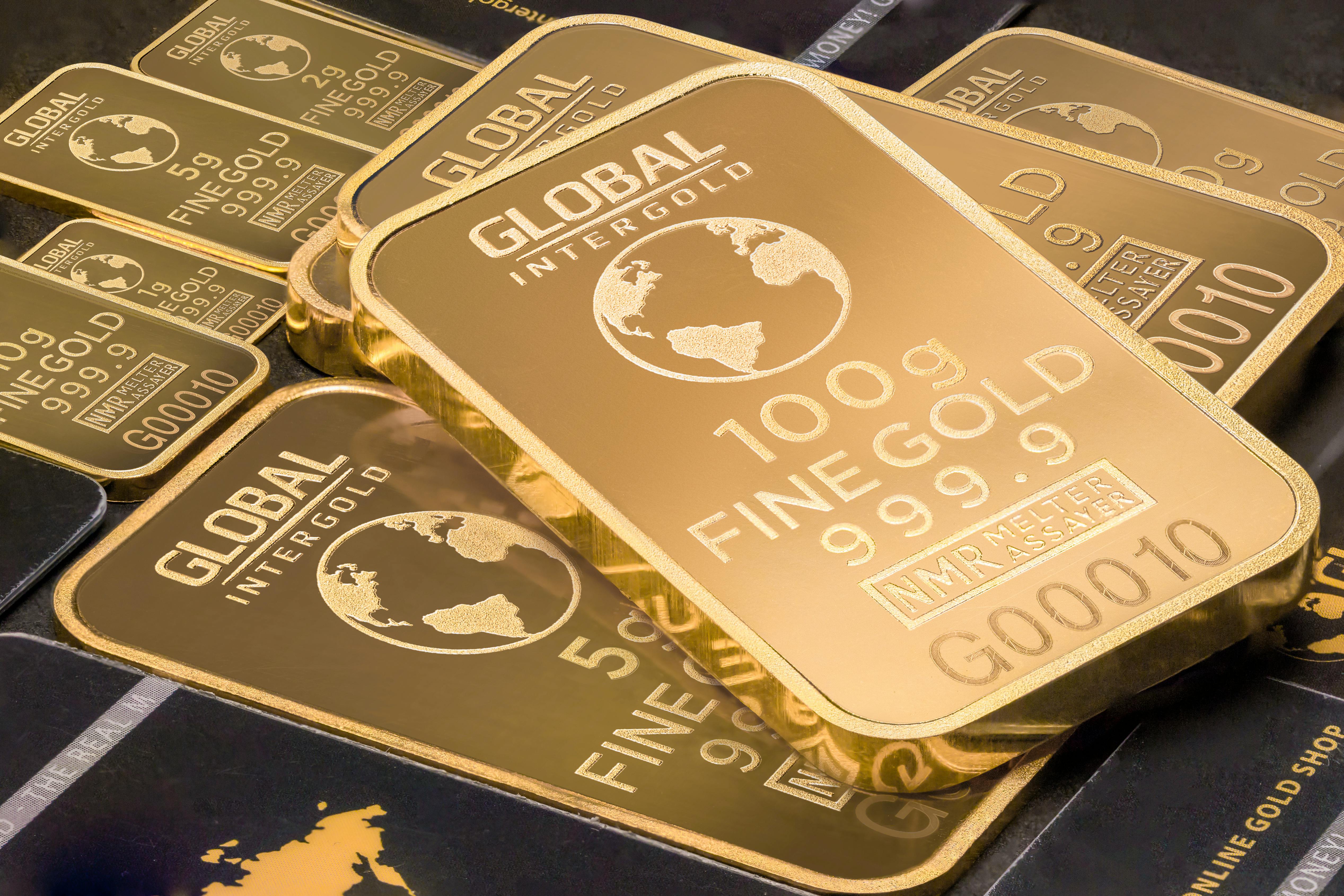
Gold prices slipped in Asian trading on Thursday, extending losses from the previous session as the U.S. dollar rebounded following the Federal Reserve’s widely expected rate cut. Spot gold fell 0.7% to $3,635.55 an ounce by 02:24 ET (06:24 GMT), after touching a record $3,707.40 earlier this week. U.S. gold futures for December delivery dropped 1.3% to $3,670.45.
The Fed cut interest rates by 25 basis points to 4.00%–4.25%, marking its first reduction since December. Policymakers projected two additional cuts this year but only one in 2026, signaling a cautious approach. Chair Jerome Powell described the move as a “risk-management cut,” citing labor market weakness and employment risks. He emphasized that future decisions would be taken on a meeting-by-meeting basis, dampening expectations of aggressive easing.
Markets reacted with skepticism, as the U.S. Dollar Index rose 0.4% after hitting a 3-1/2 year low, pressuring bullion by making it more expensive for foreign buyers. Analysts at ING noted that while the Fed expects limited cuts to support growth and employment, investor doubts linger.
Despite the recent pullback, gold has surged nearly 39% year-to-date, fueled by monetary easing expectations, geopolitical tensions, and robust central bank demand. The cautious Fed outlook, however, prompted some profit-taking after bullion’s historic rally.
Other metals also weakened as the dollar gained strength. Silver futures dropped 1.1% to $41.72 per ounce, while platinum held steady at $1,370.80. Copper futures slipped 0.5%, with London prices at $9,945.80 a ton and U.S. contracts at $4.60 a pound.
The retreat highlights how shifting Fed policy and currency strength continue to shape precious and industrial metal markets, with investors balancing profit-taking against long-term safe-haven demand.