


 Judge Blocks Trump Rule Limiting Foreign Student Visas
  Pentagon Restarts Testosterone Testing for US Troops
  US Resumes Immigrant Visa Processing for Hungary, Poland
  Trump Eyes End to Iran War, Plans Gulf Leaders Meeting
  US Allies Fear Trump Could Soften Taiwan Stance in Xi Talks
  UN Allows Mahmoud Abbas Video Address After US Visa Denial
  Iran Economic Crisis Forces Afghan Families to Return Home
  Google Changes EU Spam Policy Amid Antitrust Scrutiny
  US Immigration Arrests Surge as Deportations Lag Behind
  US-China Experts Push AI Nuclear Safeguards to Prevent Military Escalation
  Trump Threatens EU Tariffs Over Canada Membership Proposal
  Synthetic data could ease people’s concerns about privacy breaches. But who gets to create it?
  US Officials Meet Houthis in Oman Amid Yemen Offensive
  Australia Defends Social Media Algorithm Law Amid US Concerns
  Appeals Court Rejects Trump Third-Country Deportation Policy
  US Delegation Visits Myanmar, Secures Release of American Adam Castillo


 Add as a preferred source on Google
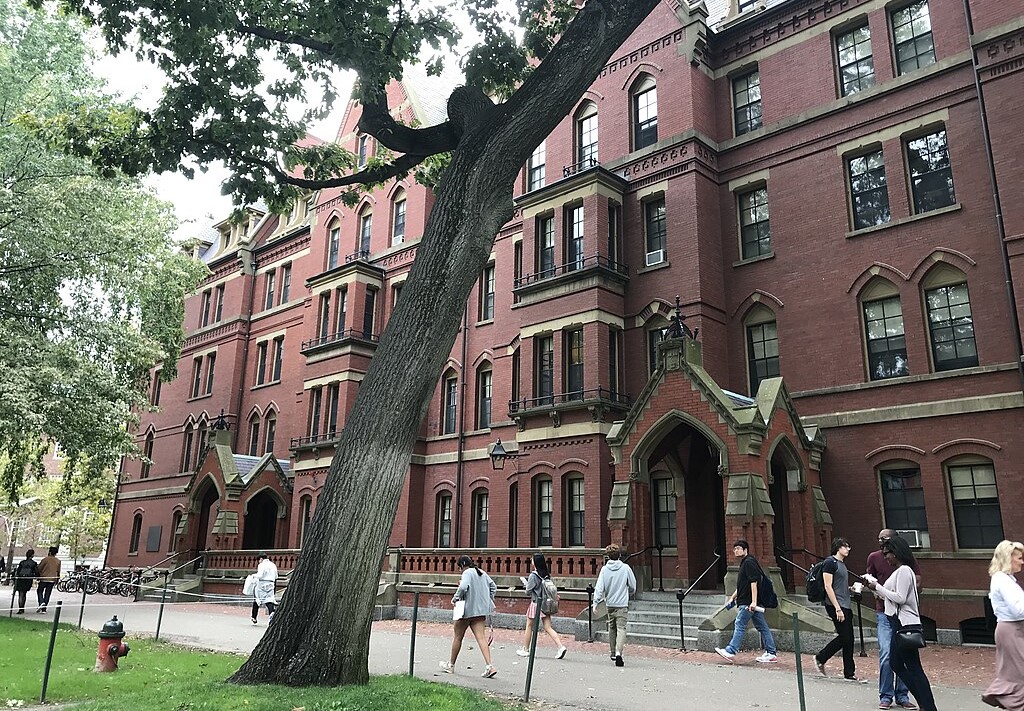
Hong Kong's Education Bureau is urging local universities to attract top international talent following a U.S. government ban on Harvard University enrolling foreign students for the 2025–2026 academic year. The decision by the Trump administration cites alleged ties between Harvard and the Chinese Communist Party, along with claims of fostering antisemitism. As a result, foreign students currently enrolled at Harvard must transfer or risk losing legal status. In 2024, Chinese nationals accounted for roughly 20% of Harvard’s international student population.
In response, Hong Kong’s Education Bureau stated it had contacted the Harvard Club of Hong Kong to offer assistance to affected students. The bureau emphasized its commitment to safeguarding students' rights and strengthening the city’s reputation as a global education hub.
“We are closely monitoring the evolving international education landscape and will consider additional support measures,” the bureau said in a statement.
Hong Kong, known for its robust higher education sector and five universities ranked in the global top 100 by Times Higher Education, is seeking to capitalize on the disruption. Despite recent curriculum changes requiring integration of national security and patriotic content, the city remains a leading destination for international education in Asia.
On Friday, the Hong Kong University of Science and Technology (HKUST) extended an open invitation to both current and incoming international Harvard students. HKUST pledged to offer unconditional admission, streamlined application processes, and academic support to ensure a smooth transition for affected students.
This move highlights Hong Kong's strategic push to draw global talent amid shifting geopolitical tensions in education, particularly between the U.S. and China. The city aims to reinforce its status as a welcoming alternative for international scholars displaced by restrictive policies abroad.







