Financial Technology, or FinTech, is a catch-all term for any technology developed in order to better manage finances. This can be customer or organizational finances. It covers mobile apps, contactless payment methods, online payment methods, software, and more.
But what is it doing to modern businesses? We break it all down here.
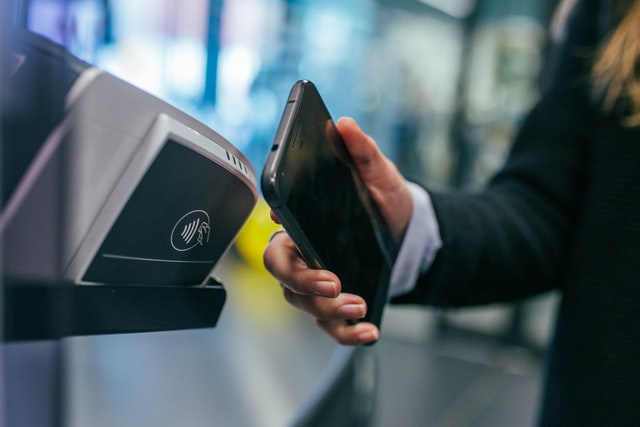
Hygiene is less of an issue
It’s a superfluous issue but it’s still an issue, considering we’re still in the midst of a global pandemic. Fintech, specifically contactless payment methods in physical premises, were given a good push by the pandemic. Before, a contactless machine was rare, only available in the big chain stores. Now, every mom-and-pop store, every vintage shop, every fruit stall, has a contactless payment machine, mainly prompted by the desire to not handle physical cash and the potential for bacteria to be transmitted when passing cash from hand to hand.
This push to contactless might have been prompted by hygiene, but it has stuck around due to its many other uses to businesses. Its ease, its convenience, and its speed are all at play when businesses are paying vendors who they probably wouldn’t ordinarily offer solid cash to as a payment method anyway. Today, having access to a virtual credit card for business grants the ability to draw on the benefits of having everything automatically recorded for their accountant’s use.
Customers are given more control and choice
As more and more fintech solutions have reached the market, the customer has gained from having a lot of choice on how to manage their money. This is particularly easy to see in online banking, which offers customers all the information they need to make choices from an app in their phone. Simple tasks like sending money to someone for splitting a pizza can be done on the app, but so can bigger financial decisions like opening a savings account, applying for a loan, and anything else the bank can offer you.
This also allows customers more control over their finances. For example, in the age of the housing crisis, it takes a lot of forward thinking and planning to be able to get a mortgage. Whether it’s a deposit, debt, a credit score, or a mixture of all getting in your way, you can be aware of the problem and make moves to fix it without paying an accountant or informant. Close extra accounts from your app to improve your credit score, make extra payments to your debt online, or transfer it to a balance transfer card online, and open a savings account to save for a deposit – all online.
Security is up, but has changed
The benefits of a cashless society are currently being seen, but money security has changed. Nowadays, fintech industries rely on various cyber security options to keep your money safe. If you are paying for something online you might need to verify it with a fingerprint, passwords, questions and even face recognition. Financial technology is also often encrypted so that even if you are using a public internet connection, which is often the case when paying at a retail desk, your data is safe from anyone trying to hack in.
On the business end, this means that data is the most valuable thing to customers and businesses, and therefore what is shared has to be protected. This means businesses need to arm themselves against ransomware and other cyber attacks with a range of cyber-security options.
This article does not necessarily reflect the opinions of the editors or management of EconoTimes.