


 Kim Jong Un Showcases ICBM Ahead of Possible Trump Meeting
  Trump Denies China, Russia Are Helping Iran in War
  Trump Warns Houthis Over Attacks, Considers Erdogan Intervention
  Jordan Bardella Antisemitism Allegations Threaten Le Pen’s Campaign
  UN Urges Talks on Lebanon Peacekeeping Mission Extension
  Container Ship Sinks in Strait of Hormuz as Iran Attacks Escalate
  MI5 Warns of Rising Iran, Russia Threats and AI Bioweapon Risks
  Italy’s Meloni Warns US-Russia Diesel Deal Could Weaken Ukraine Sanctions
  US Senate Midterms 2026: Key Races That Could Flip Control
  Zelenskiy Says Trump’s Support for Russia Is ‘Painful’
  Zelenskiy Seeks New US Talks to Revive Ukraine-Russia Peace Negotiations
  Gaza Olive Harvest Collapses as War Destroys Farmland
  IMF Warns US Debt Crisis Needs Fiscal Action, Urges China to Boost Consumption
  US Justice Department Drops Prosecution of Ex-CIA Analyst Sue Mi Terry
  US Recalls Nicaragua Envoy After Ambassador Rejection
  US Condemns China Sanctions on Taiwan Allies Belize and Paraguay
  FBI Denies Report of Kash Patel’s Russia Visit


 Add as a preferred source on Google
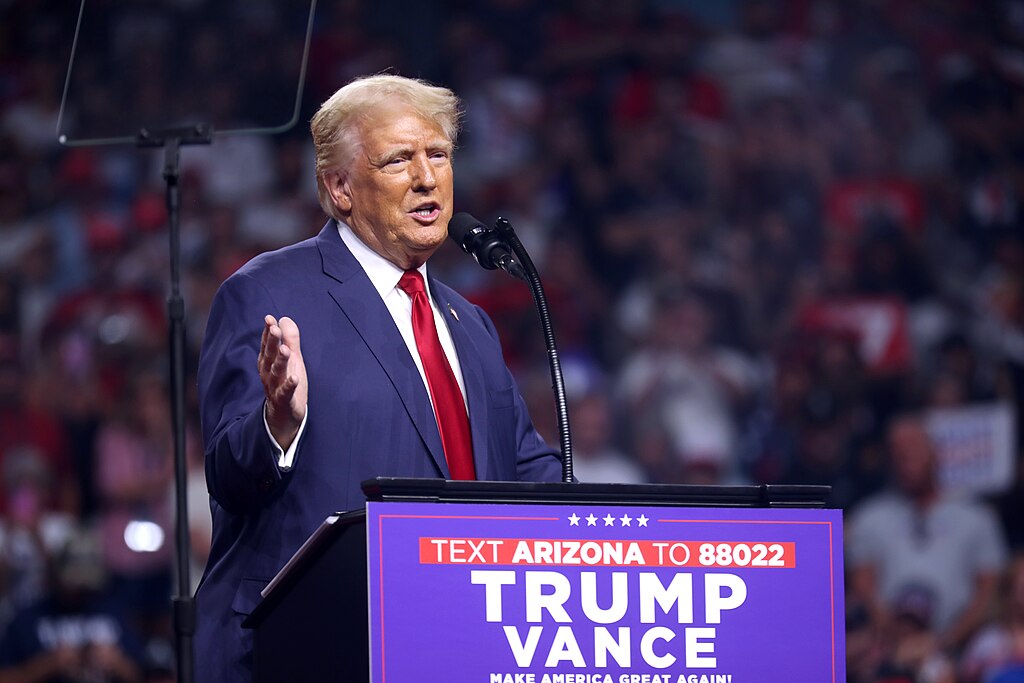
As President Donald Trump embarks on his second term in 2025, his administration's approach to labor practices has ignited intense debate. The administration's policies, including Project 2025, have raised concerns among labor unions and workers' rights advocates.
Project 2025 and Its Implications
Project 2025, a comprehensive policy blueprint developed by conservative organizations, aims to restructure federal operations and labor regulations. Critics argue that this initiative could undermine workers' rights by loosening safety standards, weakening nondiscrimination policies, and potentially eliminating public-sector unions. The plan also proposes reclassifying many workers as independent contractors, which would limit their ability to unionize and access certain labor protections.
Union Responses and Legal Challenges
Labor unions have expressed strong opposition to the administration's labor policies. The United Auto Workers (UAW) filed unfair labor practice charges against President Trump and Tesla CEO Elon Musk, alleging that their public comments intimidated workers considering unionization. These charges are currently under investigation by the National Labor Relations Board (NLRB).
Impact on Workers and the Economy
The administration's stance on labor has significant implications for various sectors. The construction industry, for example, relies heavily on immigrant labor and imported materials. Proposed policies on immigration and tariffs could exacerbate labor shortages and increase building costs, potentially leading to higher housing prices and reduced construction activity.
Public Reaction
The administration's labor policies have elicited diverse reactions from the public. Some support the emphasis on deregulation and fiscal responsibility, while others express concern over potential erosion of workers' rights and economic stability.
Conclusion
President Trump's labor policies in 2025 reflect a commitment to deregulation and restructuring. However, they have sparked significant controversy and legal challenges. The long-term impact on workers and the economy remains to be seen.







