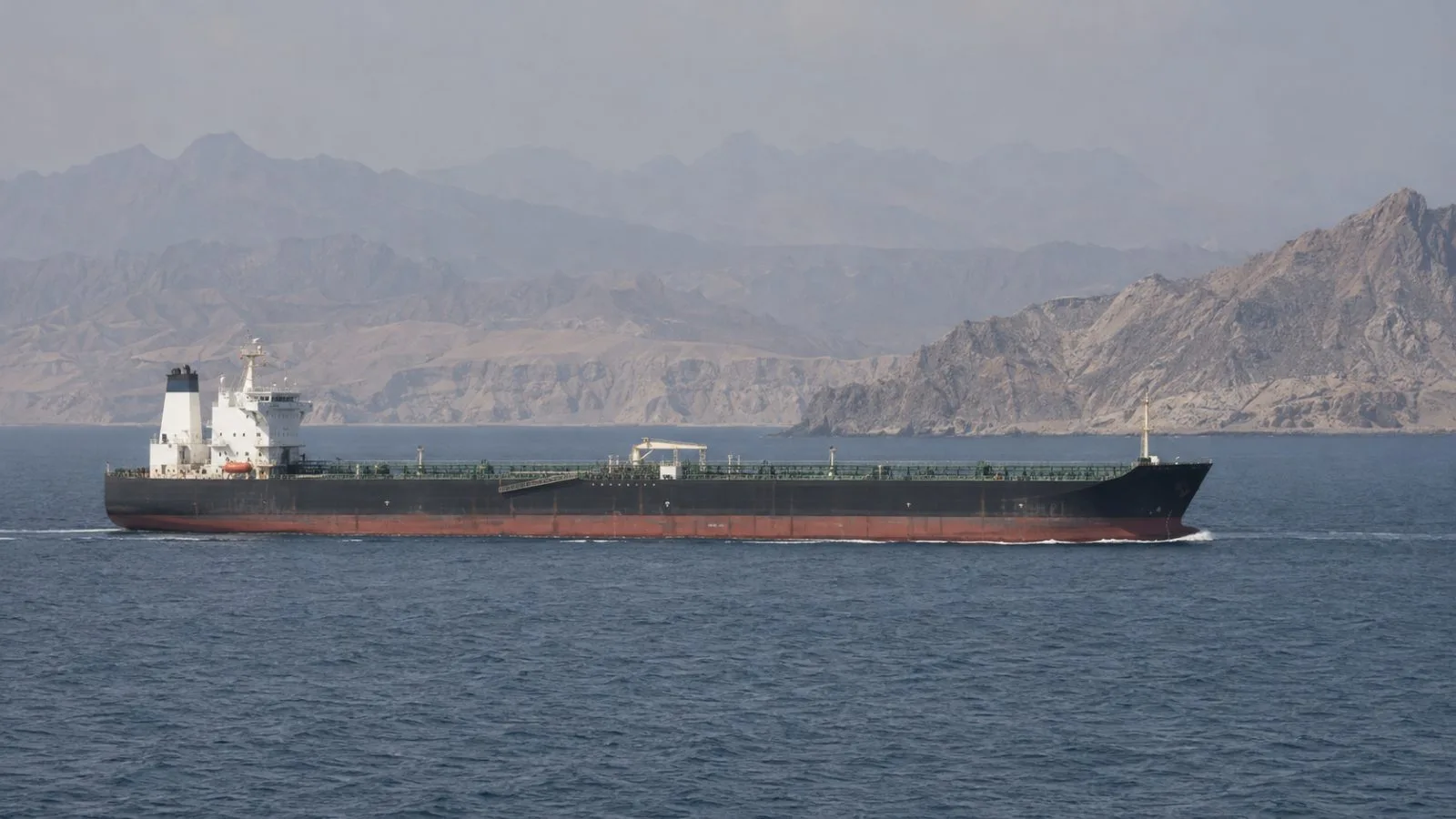
Compliance with the latest U.S. sanctions on Russian crude exports is expected to vary sharply among major buyers, particularly India and China, according to a recent report by BCA Research. The sanctions, announced last week by President Donald Trump, target Rosneft and Lukoil—Russia’s two largest oil producers responsible for more than half of the nation’s exports.
BCA Research noted that the impact of these sanctions largely depends on how strictly foreign buyers comply and how aggressively Washington enforces them. The report highlights that Indian importers and China’s state-owned refiners will likely be the most cautious in response to potential U.S. penalties, while China’s independent refiners and certain pipeline routes are expected to be less compliant.
China, which purchases about 44% of Russia’s crude, plays a crucial role in determining the sanctions’ overall effectiveness. Nearly 40% of these imports flow through the ESPO and Atasu-Alashankou pipelines—routes difficult to monitor and therefore more likely to evade restrictions. Major state-owned Chinese refiners such as PetroChina, Sinopec, CNOOC, and Zhenhua Oil have reportedly suspended Russian oil purchases following the U.S. announcement, according to Reuters.
BCA suggested that Beijing will likely avoid direct confrontation with Washington to protect ongoing trade negotiations. Elevated stockpiles could help China weather short-term reductions in imports, but smaller “teapot” refiners may continue purchasing discounted Urals crude, taking advantage of steep price cuts despite sanctions risks.
India, which accounts for 34% of Russia’s oil exports, is expected to show higher compliance. Reliance Industries, responsible for about 40% of India’s Russian crude imports, confirmed its commitment to U.S. regulations. Analysts believe New Delhi’s focus on maintaining strong U.S. ties will drive stricter adherence compared to China’s mixed approach.
Although reduced demand from India and China could temporarily lower Russia’s crude exports, BCA anticipates that new buyers will emerge, reshaping global oil trade patterns much like the market shifts seen after the war in Ukraine.