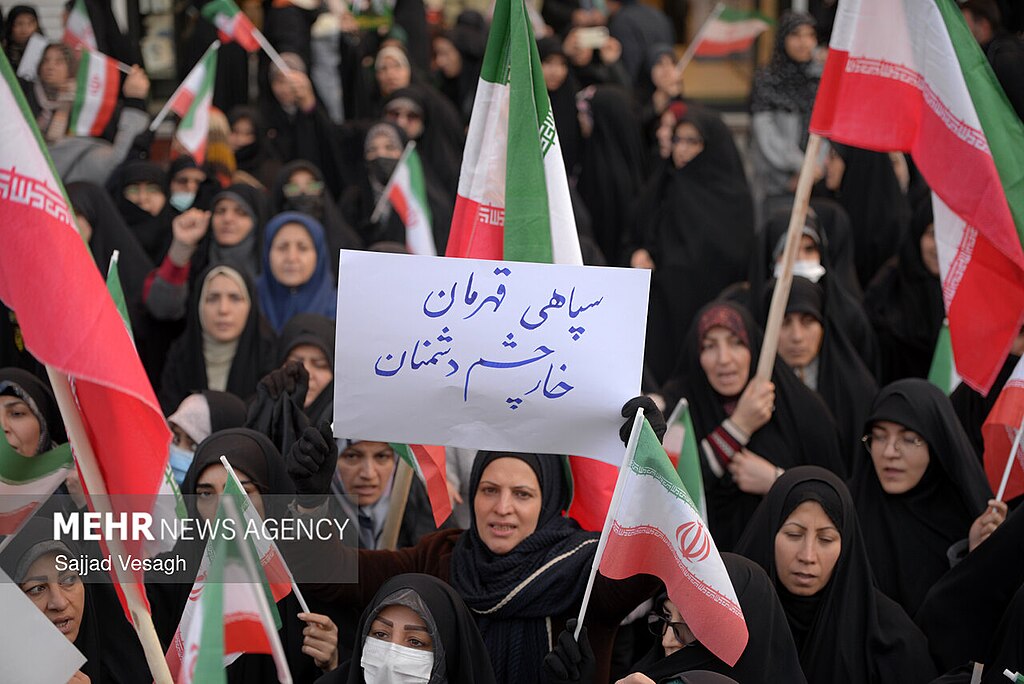
Iran’s president has warned that any U.S. military strike against the country would trigger a “harsh and regrettable response,” as Iran faces mounting international scrutiny over its deadliest wave of protests in decades. The unrest, which erupted last month in Tehran’s Grand Bazaar over economic hardship, quickly escalated into nationwide demonstrations demanding an end to clerical rule.
The protests spread across cities and social classes, drawing shopkeepers, students, men and women, and citizens from both low- and high-income groups. According to an Iranian official speaking to Reuters, at least 5,000 people have been killed, including around 500 security personnel. However, U.S.-based human rights group HRANA reported a confirmed death toll of 3,308, with thousands more cases under review, and said more than 24,000 people have been arrested during the unrest.
U.S. President Donald Trump has repeatedly warned that Washington could intervene if protesters continue to be killed or executed. In a recent interview, Trump said it was “time to look for new leadership in Iran,” further escalating tensions. Tehran, under increasing pressure, has sought to deter U.S. involvement by issuing strong warnings. President Masoud Pezeshkian said on social media that any attack on Iran’s supreme leader would amount to “an all-out war against the nation.”
Iranian authorities have indicated that executions of detainees may proceed. The judiciary has classified some actions during the protests as “Mohareb,” or waging war against God, an offense punishable by death under Iranian law. Supreme Leader Ayatollah Ali Khamenei accused the U.S. and Israel of backing what he called “rioters and terrorists,” while acknowledging that several thousand people had died.
Security forces launched a violent crackdown that caused protests to dwindle last week. Internet blackouts have disrupted communication, though access was briefly restored before being cut again. The heaviest casualties were reported in Iran’s Kurdish regions, where clashes have historically been severe. Witnesses and verified videos show security forces firing on protesters and violently dispersing crowds, underscoring the scale and intensity of the crisis as Iran-U.S. tensions continue to rise.