Iranian authorities have arrested several individuals that are suspected of being behind the assassination of a commander of the Iranian Revolutionary Guards. The arrests come as Tehran has blamed the assassination on Israel and its allies in the west.
Iranian judiciary spokesperson Masoud Setayeshi said Tuesday that authorities have arrested several people over the assassination of IRGC commander Hassan Sayad Khodai in Tehran back in May.
The IRGC said Khodai’s shooting was done by “terrorist groups affiliated with global oppression and Zionism,” referring to the west and Israel.
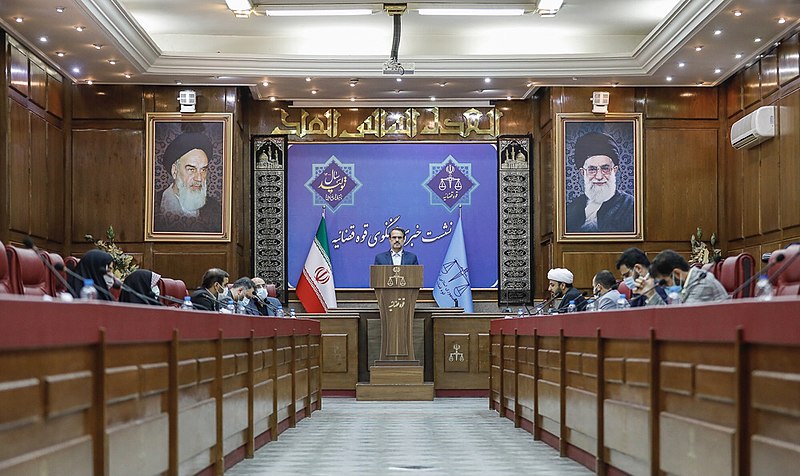
“Several people have been arrested in the case of the assassination of martyr Khodai. The necessary legal orders have been issued for them and the case is under investigation,” Setayeshi told a news conference, according to Iranian state media.
Tehran said Khodai was a “defender of the shrines” which refers to military personnel or advisers that the country deems to fight on its behalf to protect Shi’ite Muslim places in Iraq or Syria against the Sunni Muslim militant groups like the Islamic State.
Israeli media said Khodai led a unit of the Quds force, which is the overseas arm of the IRGC that plans attacks on Israelis abroad.
Khodai’s killing also comes at a time when Iran and other world powers are expected to restart the 2015 nuclear agreement after more than a year of negotiations and indirect discussions with the United States.
Iran has maintained that its nuclear program was for peaceful purposes. Tehran has also accused the West and Israel of killing its scientists and academics.
Israeli defense minister Benny Gantz said Monday that Tehran was using over 10 military facilities in Syria for producing advanced missiles and weapons for its proxies.
Speaking at a conference in New York, Gantz showed a map of what he claimed were military facilities of the Syrian government agency Centre D’Etudes et de Recherches Scientifiques or CERS, which are allegedly manufacturing missiles and weapons for Iran.
Gantz said Iran turned CERS into “production facilities” to provide weapons for the militant groups it supports such as Hezbollah and other proxies. Gantz also said Iran was working toward building missile and weapons industries in Yemen and Lebanon.