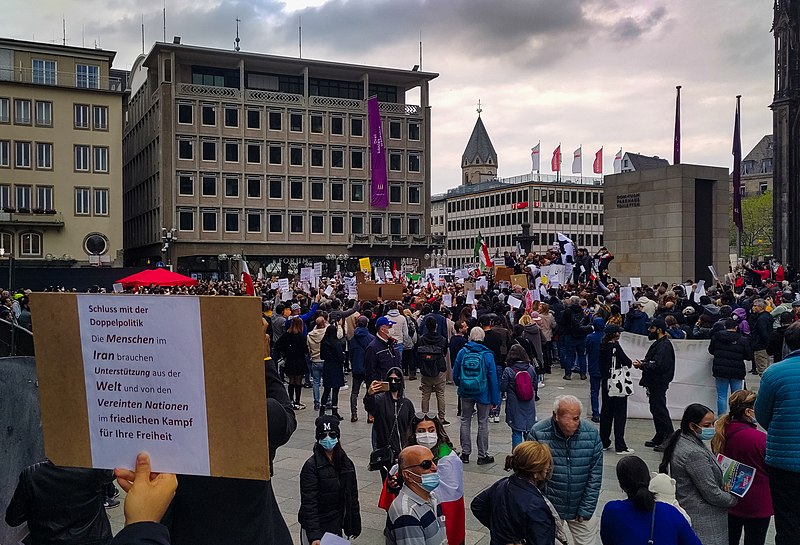
The Iranian judiciary said this week that they plan to deal with the protesters firmly as the demonstrations against the Islamic Republic continue. The response from the judiciary appears to be an indication that they intend to issue severe punishments for protesters that have been detained.
A spokesperson for the Iranian judiciary said Tuesday that the courts intend to deal with the indicted protesters firmly, a sign that they plan to issue harsh punishments for their involvement in the ongoing unrest. Over 1,000 people have been indicted by authorities in the capital Tehran alone in connection with what the Islamic Republic calls “riots.”
“Now the public, even protesters who are not supportive of riots, demand the judiciary and security institutions deal with the few people who have caused disturbances in a firm, deterrent, and legal manner,” said spokesperson Masoud Setayeshi.
The widespread protests in the country broke out in September, sparked by the death of Kurdish-Iranian woman Mahsa Amini. Amini was detained by the morality police for allegedly breaching the dress code rules imposed on women and passed away three days later while in custody. Women and students played a major part in the demonstrations calling for the fall of the country’s clerical regime.
On the same day, students from the University of Science and Culture in Tehran targeted the Islamic Revolutionary Guards and clerical rulers in their demonstrations.
“This year, the Revolutionary Guards will have casualties, down with the entirety of the regime,” the students chanted, according to a Twitter account focused on the ongoing unrest, with 330,000 followers.
Tehran has sought to blame local agents linked to their enemies, the United States and Israel, for the unrest that has brought fresh scrutiny on the Islamic Republic.
The announcement by the judiciary also comes as the Iranian parliament’s hardline lawmakers, which hold an overwhelming majority, called for the judiciary to issue severe punishments to those found to be responsible for the unrest. The lawmakers made the demand in a letter Sunday.
The activist news outlet HRANA said 318 protesters were killed by security forces since the start of the demonstrations, including 49 minors. 38 members of the security forces were also killed.